
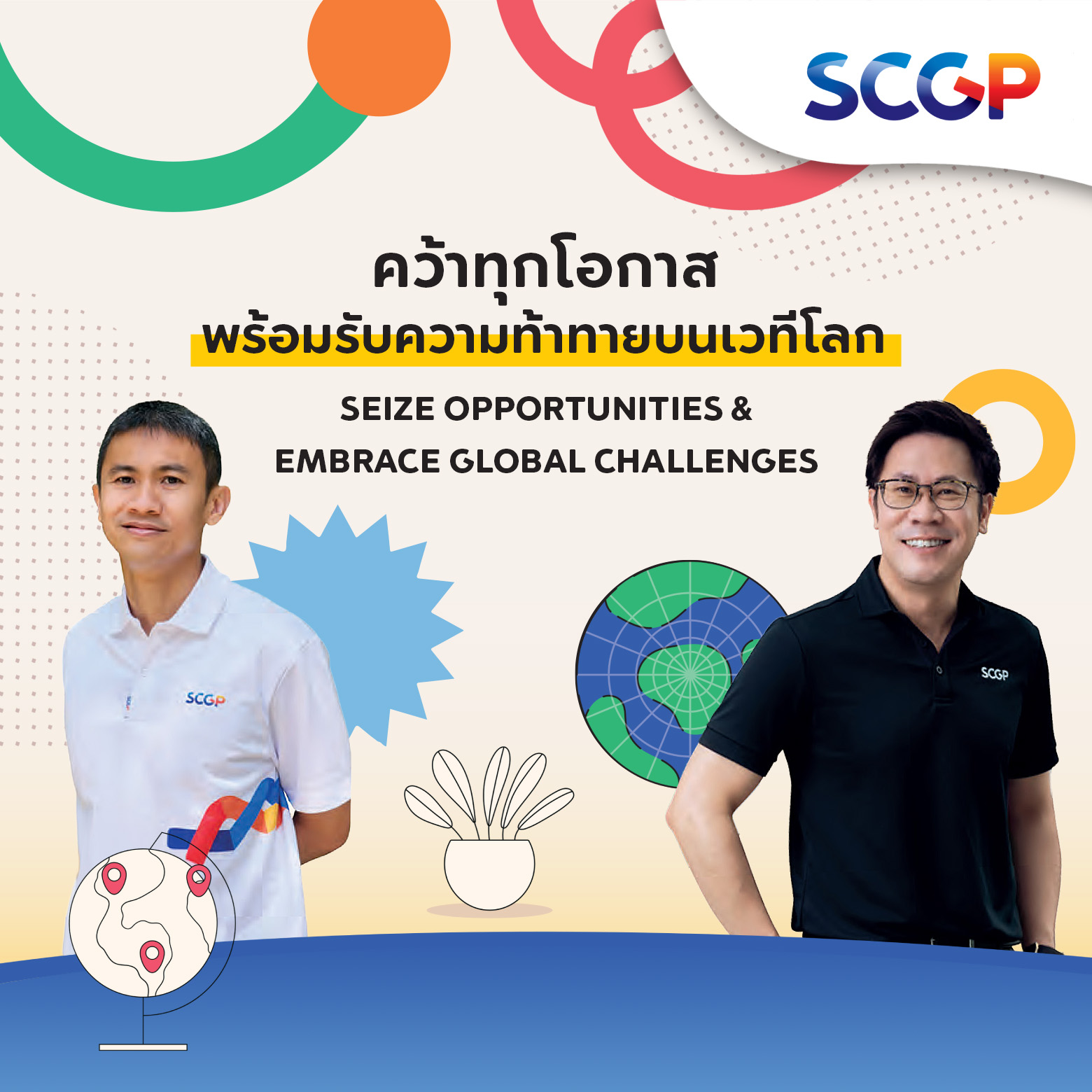
Spotlight SEIZE OPPORTUNITIES & EMBRACE GLOBAL CHALLENGES Loading Data… In the face of borderless business competition, SCGP has continuously expanded its businesses at the ASEAN and global levels. Behind this remarkable expansion is its and its staff’s readiness to grab opportunities and take on new challenges. Today, two SCGP employees share their growth journeys after being rotated overseas, adjusting to new work environments, and learning lessons from multicultural workplaces. “After SCGP successfully completed its M&P deal with Peute in the Netherlands during 2022, my seniors gave me the opportunity to serve as the finance director there. My stint there lasted about three years. Moving to Europe was quite a challenge. I needed to make many adjustments, especially in terms of work styles. It also took time to learn about my new job responsibilities and foster mutual understanding. In Europe, everyone makes straightforward comments, regardless of hierarchy, without sugarcoating at all. If you beat around the bush, others would think you are insincere or wasting their time “I faced many challenges there. After the COVID-19 lockdown started to ease, packaging demand dropped. Then, the Russia-Ukraine conflict began, triggering an energy crisis across Europe. The Red Sea crisis followed, raising freight costs. These challenges required us to adjust our strategy constantly to pull through. Now, I am proud that our European team has now recognized that SCGP is very professional in business management. “I have a passion for learning new things. I believe I should equip myself with the skills and mindset that give me agility and mobility. I am always ready to jump into a new field, because I don’t think I must have the best preparations prior to the jump. If SCGP’s management gives me a new opportunity, that means they see my potential and readiness. So, I should be fit to make the move. Today, SCGP is a global partner. So, be prepared because there are opportunities to shine beyond the ASEAN region.” Niti Saengchomphu Plant Manager, Thai Containers Group Co., Ltd (Navanakorn Plant)* “I am assigned to oversee Operations in Italy, where knowledge and new technologies must be exchanged for the medical supplies business. I am also in charge of managing the transition to ensure seamless collaboration among staff in two countries, as well as recruiting local talent as my successor. “A major challenge is working with the Italian partner, who had long managed his company singlehandedly. Through my gradual efforts, both of us have adjusted our styles. I have learnt to accept some limitations and to place trust in my team. Our staff should be allowed to work based on their expertise. If some mistakes occur, face them and be understanding. Just do your best and solve problems together. This way, we learn more and more. “Living abroad is an extraordinary experience that isn’t easily handed to you. Within every challenge, there are always new opportunities. Once you overcome hurdles and look back, you feel a deep sense of pride. It is an invaluable experience you cannot find anywhere else.” Totsatit Artorn Thammarat Manager (Deputy Managing Director-Bicappa Lab S.r.L) *Position as of July 2026 News Release ดาวน์โหลด เนื้อหาที่เกี่ยวข้อง Loading Data…
Author Archives: SCGP 1
SCGP Promotes Caring Society Through Medical Equipment Contribution, Creating Positive Impact for Communities and Society
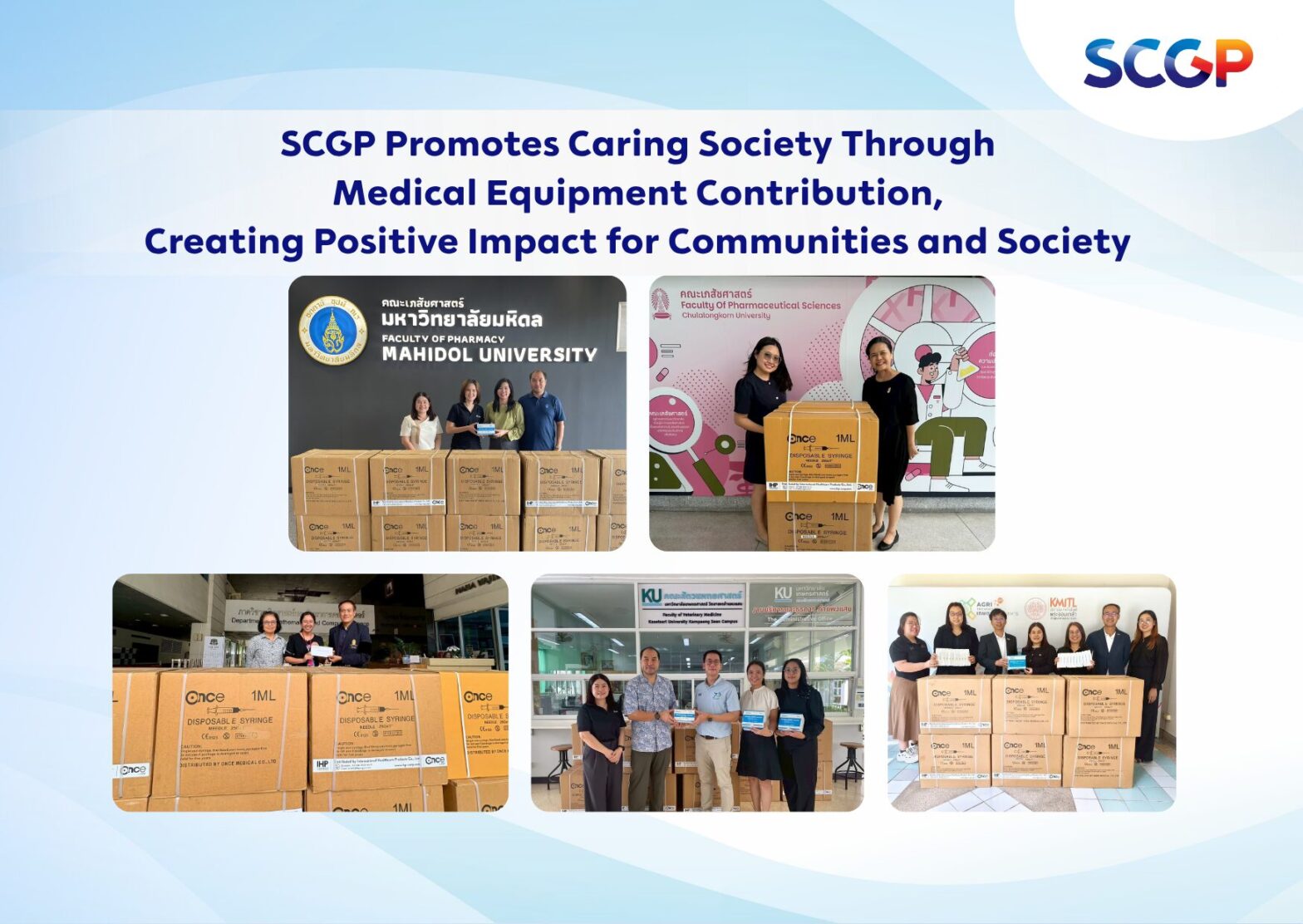
SCGP Promotes Caring Society Through Medical Equipment Contribution, Creating Positive Impact for Communities and Society Loading Data… International Healthcare Products Company Limited (IHP) in SCGP, supports access to medical resources by providing Once by SCGP 1 mL Syringe with needle to five organizations: • Faculty of Science, Kasetsart University • Faculty of Veterinary Medicine, Kasetsart University • Faculty of Pharmaceutical Sciences, Chulalongkorn University • Animal Conservation and Research Institute • Mongkutwattana Hospital Foundation for Patients with Serious Illnesses The contributions support education and training, research, patient care, and animal conservation. This initiative is part of our business approach that aims to create value for society while maximizing the benefits of medical products for communities and the country. Related Contents Loading Data…
SCGP partners with Toyo Seikan for CSR Activity Promoting School Safety
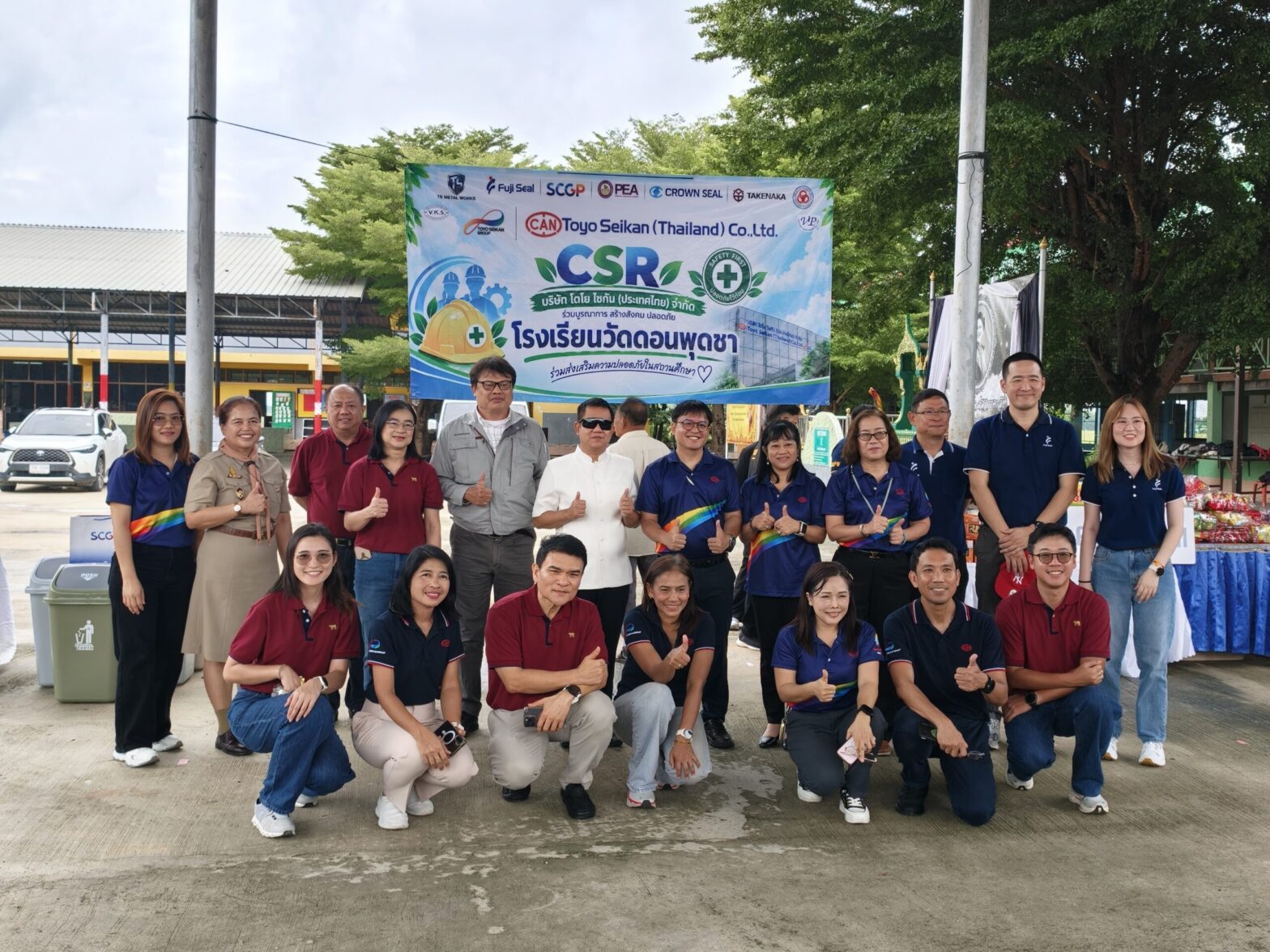
SCGP partners with Toyo Seikan for CSR Activity Promoting School Safety Loading Data… SCGP joins Toyo Seikan (Thailand) Co., Ltd. in organizing a CSR activity at Wat Don Phutsa School in Phra Nakhon Si Ayutthaya Province, featuring fun and engaging activities to promote safety awareness among students. The activities provided students with practical knowledge on how to protect themselves from potential hazards in their daily lives. The team also provided lunch for the students. The activity aimed to create a safe environment, protect students from potential hazards in accordance with school safety measures, and promote the well-being of young people. Related Contents Loading Data…
SCGP Hosts Marketing and Customer Sharing Forum, Strengthening Partnerships Delivering Value as a Trusted Business Partner for Sustainable Growth
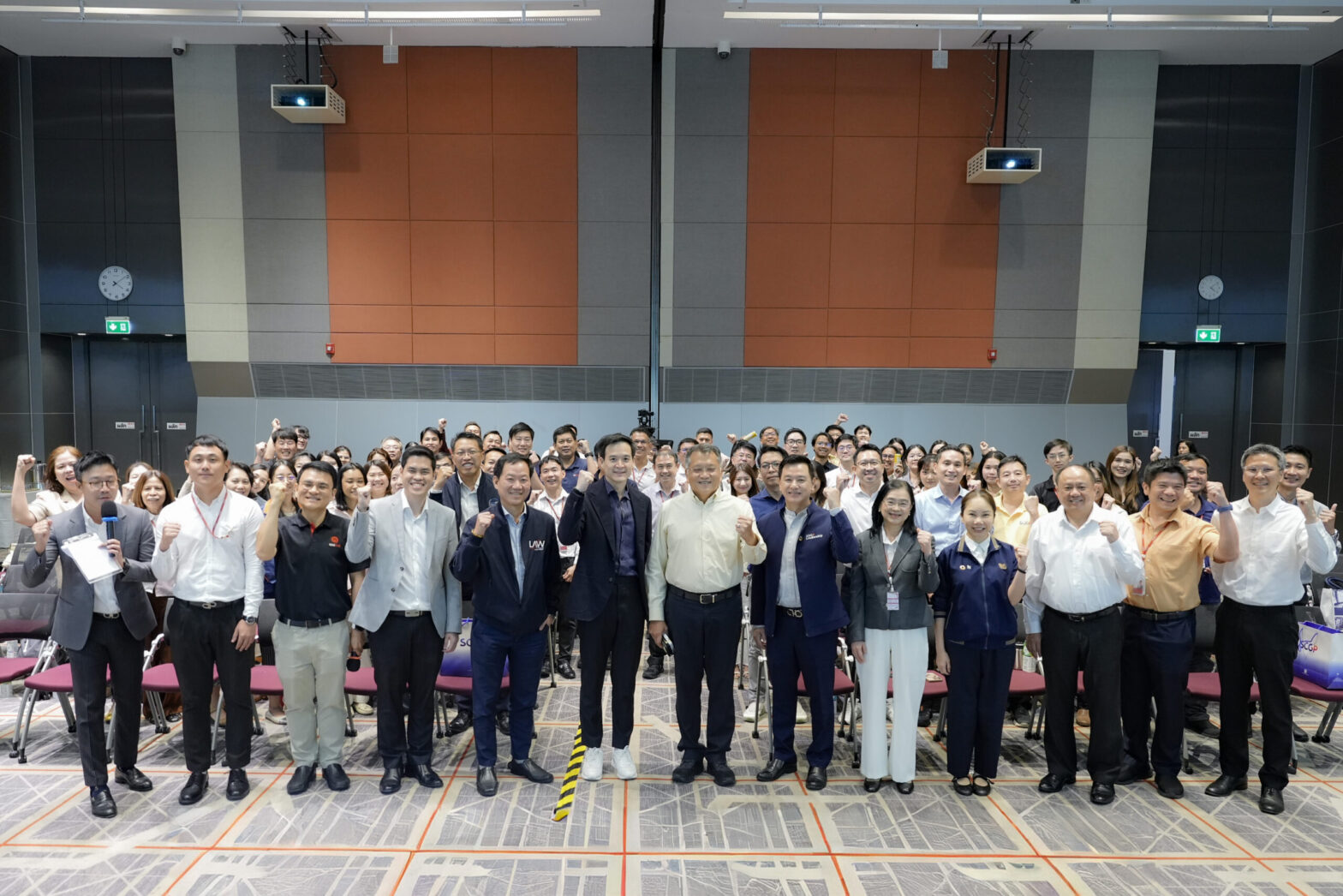
SCGP Hosts Marketing and Customer Sharing Forum, Strengthening Partnerships Delivering Value as a Trusted Business Partner for Sustainable Growth Loading Data… SCGP continues to host a Marketing and Customer Sharing forum, providing a platform to exchange authentic insights and gain a deeper understanding of customers’ and consumers’ needs. The insights and values from the stage are then leveraged to innovate and develop solutions that meet the needs, delivering value as a trusted business partner. The event was honored by the presence of executives from two key partners, Ichitan Group Public Company Limited and Boon Rawd Brewery Co., Ltd., who shared valuable perspectives and experiences, highlighting the importance of staying ahead of evolving consumer behavior, continuously developing solutions, and strengthening partnerships to driving business resilience and sustainable growth together. Related Contents Loading Data…
SCGP Partners with King Mongkut’s Institute of Technology Ladkrabang to Advance Academic Collaboration and Create Opportunities for Shared Learning
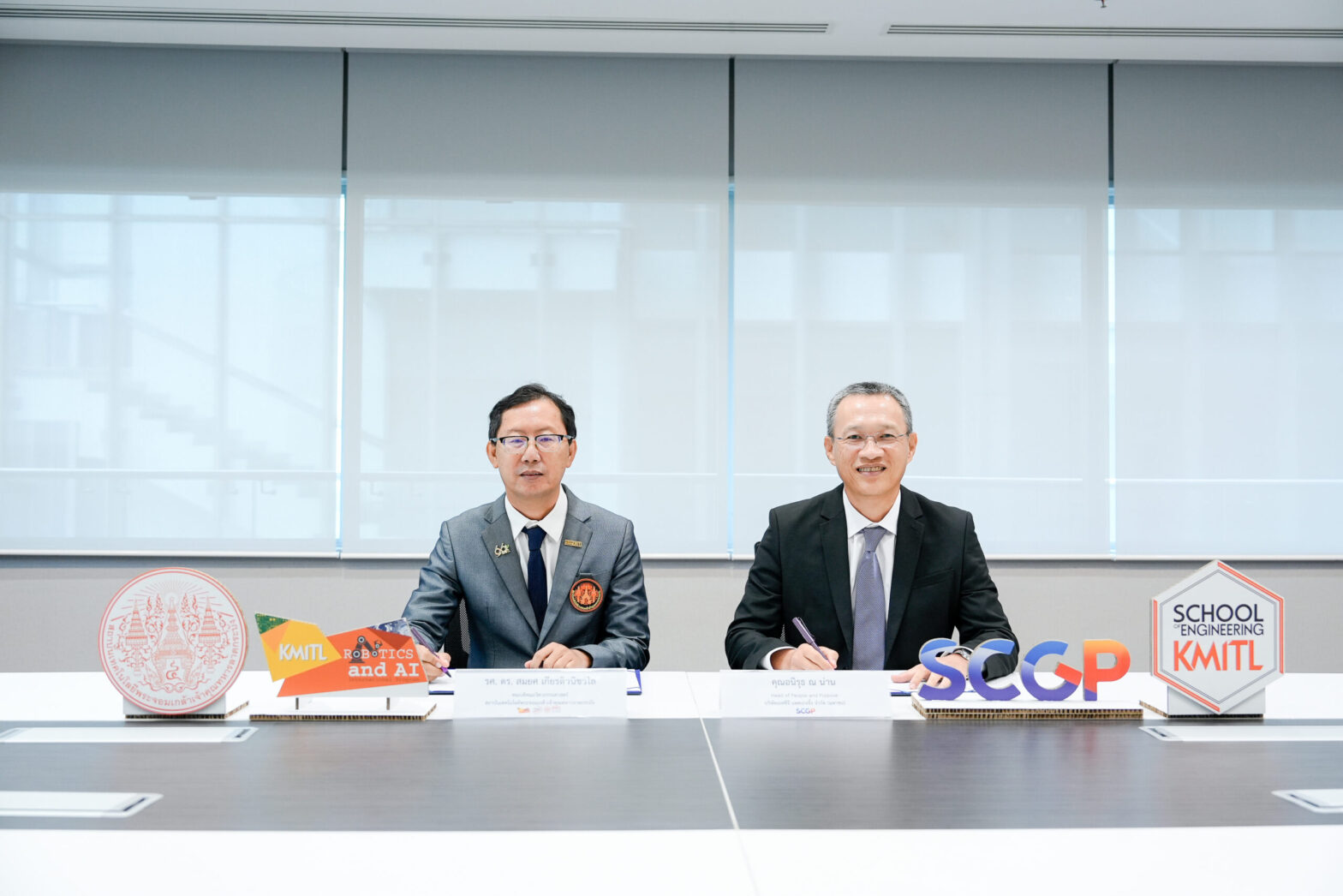
SCGP Partners with King Mongkut’s Institute of Technology Ladkrabang to Advance Academic Collaboration and Create Opportunities for Shared Learning Loading Data… SCGP is pleased to partner with the Faculty of Engineering, King Mongkut’s Institute of Technology Ladkrabang (KMITL) to strengthen academic collaboration and employee development in the areas of Digital, Data, and Artificial Intelligence (AI), academic knowledge exchange, and the application of knowledge in teaching and learning, as well as its further development for commercial use. The collaboration also includes joint research initiatives and the appropriate management of intellectual property rights arising from collaborative projects. It provides KMITL students with opportunities to gain practical experience and develop professional skills through summer internships or cooperative education programs at SCGP under a Work-integrated Learning approach. The partnership also highlights SCGP’s commitment to developing its people and equipping them with future-ready skills and capabilities, while facilitating the exchange of perspectives and experiences between the business and academic sectors. By connecting insights from both sides, the collaboration fosters mutual learning and opens up opportunities for further collaboration. Related Contents Loading Data…
SCGP Completes Investment in Fiber Packaging Manufacturer in Chonburi Expanding Production Capacity and Customer Base to Strengthen Its Position in Thailand
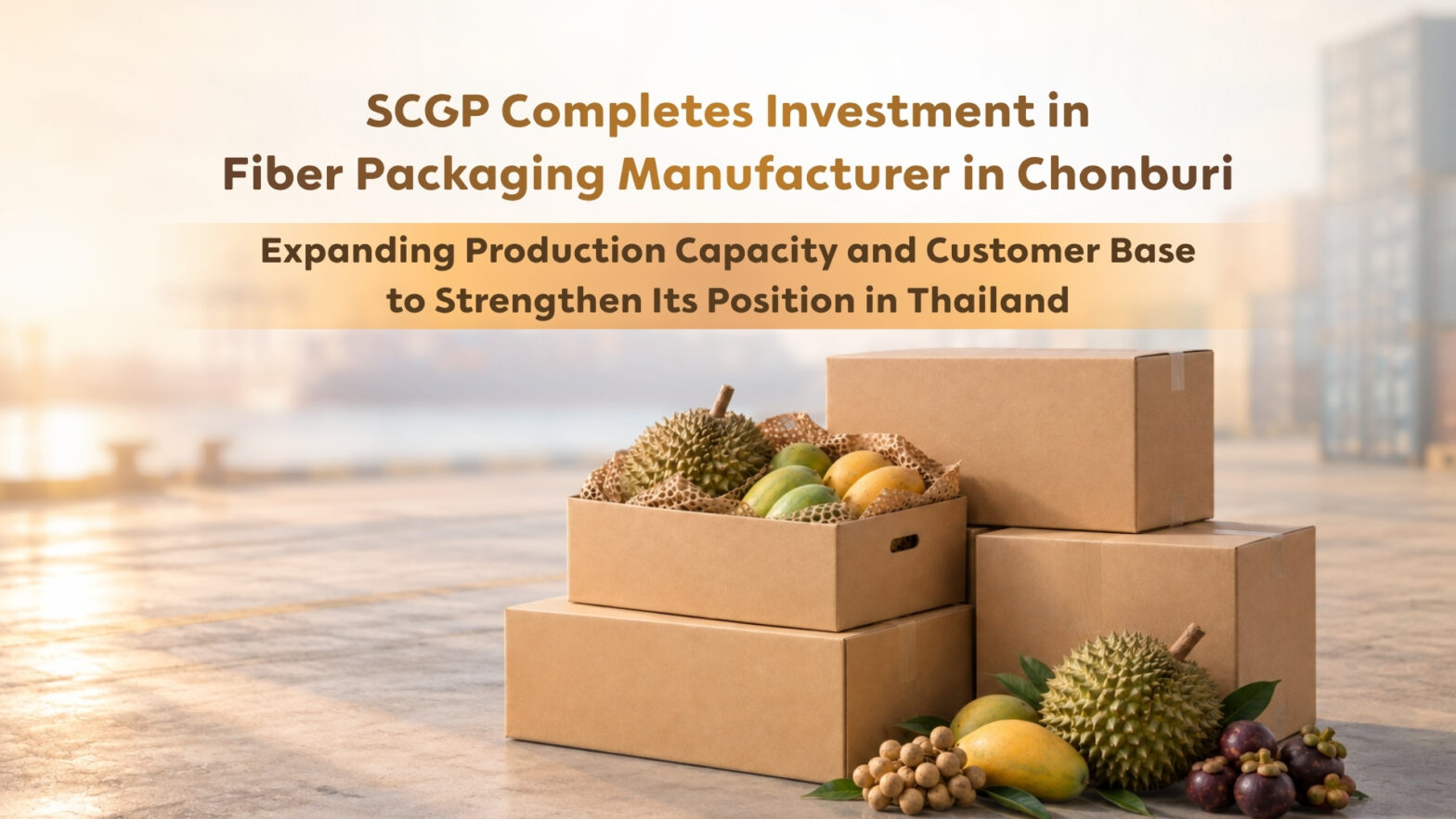
SCGP Completes Investment in Fiber Packaging Manufacturer in Chonburi Expanding Production Capacity and Customer Base to Strengthen Its Position in Thailand Loading Data… SCGP has completed the merger & partnership acquisition of a 90% stake in Jin Zhong Fa Paper Industrial Co., Ltd. (JZF), a fiber packaging manufacturer located in Chonburi province, for a total investment of Baht 68 million. The investment adds 28,000 tons of annual production capacity and expands SCGP’s customer base among Chinese customers and businesses in the fruit export market. It will also enhance cost and logistics efficiency while enabling SCGP to capture growth opportunities in the packaging industry in Eastern Thailand. JZF’s financial performance will be consolidated into SCGP’s financial statements from October 2026 onward.Mr. Wichan Jitpukdee, Chief Executive Officer of SCG Packaging Public Company Limited or SCGP, said that SCGP remains committed to growing its fiber packaging business across ASEAN to capture continuously expanding demand. Most recently, the company acquired a 90% stake in Jin Zhong Fa Paper Industrial Co., Ltd. (JZF) for Baht 68 million. JZF is a corrugated containers producer with a strong focus on cost-efficient operations. Its primary customers are businesses serving the fruit export market to China. The company’s manufacturing facility is strategically located in Chonburi, close to customers in Eastern Thailand—an area with strong growth potential driven by continued foreign investment. This investment therefore represents a significant opportunity for SCGP to expand its packaging business, meet evolving market demand, and support future growth. In FY2025, JZF recorded revenue of Baht 205 million, total assets of Baht 240 million, and an annual production capacity of 28,000 tons. SCGP will begin consolidating JZF’s financial performance into its consolidated financial statements from October 2026 onward.This investment is aligned with SCGP’s strategic direction to expand its consumer packaging business across ASEAN. It will enhance the efficiency of SCGP’s production network by generating operational and commercial synergies, including cost optimization and greater cross-selling potential for related products and services. These benefits will further strengthen SCGP’s market position, expand its customer base, and enhance its competitiveness. By reallocating existing fruit packaging orders to JZF, SCGP can improve group-wide margins through cost-efficient operations and reduced logistics expenses, while freeing up capacity at its existing facilities to accommodate additional orders and optimize the overall business network. With sufficient available land, JZF is also well positioned to serve as a new production base capable of capturing future demand and supporting the business group’s long-term growth. News Release Download Related Contents Loading Data…
SCGP Showcases Made in Thailand Products and Solutions at THAILAND LAB INTERNATIONAL 2026, Supporting the Needs of the Science and Medical Industries
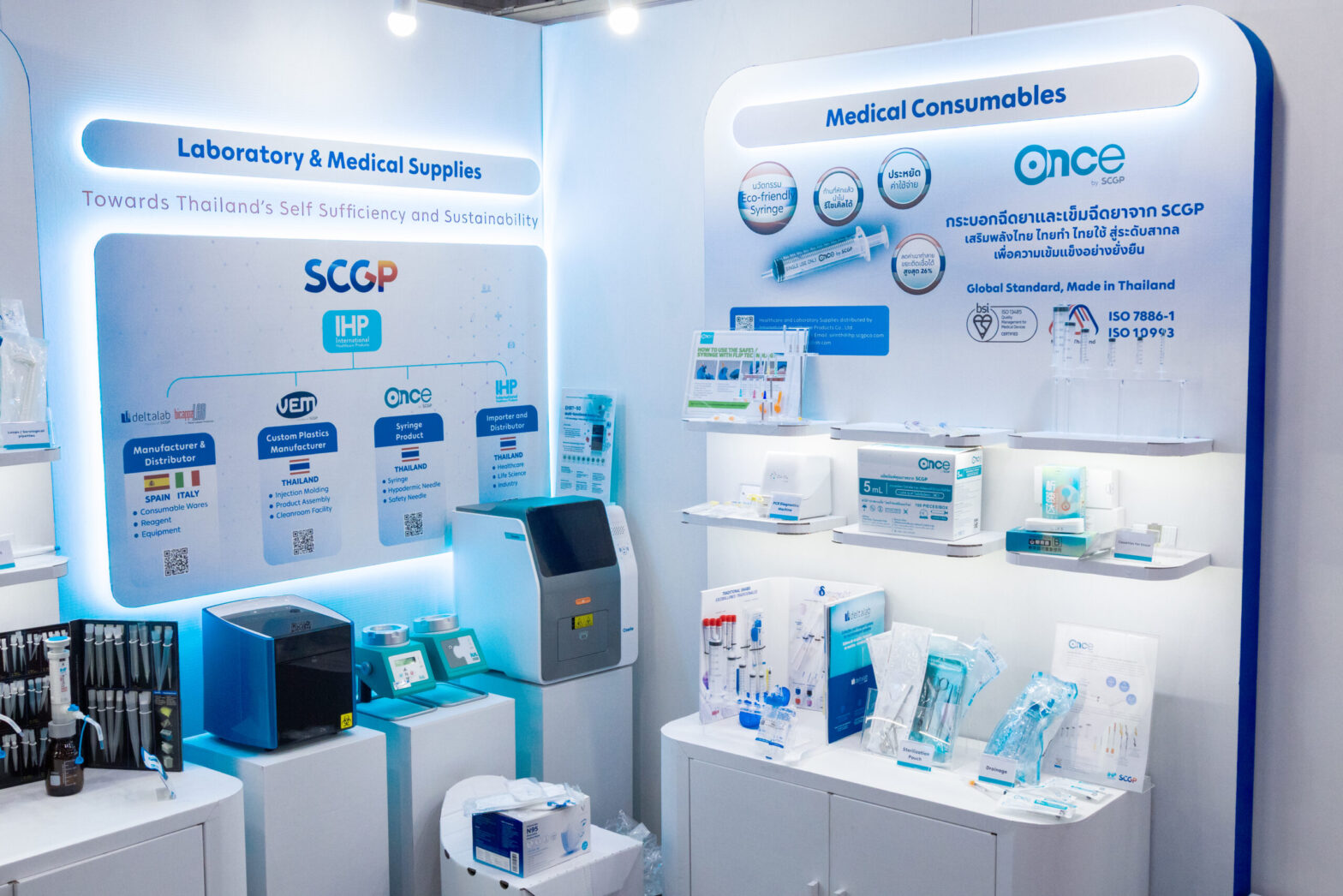
SCGP Showcases Made in Thailand Products and Solutions at THAILAND LAB INTERNATIONAL 2026, Supporting the Needs of the Science and Medical Industries Loading Data… International Healthcare Products Company Limited (IHP) in SCGP, showcased a range of products and solutions for laboratories, science, and medical applications at THAILAND LAB INTERNATIONAL 2026. The showcase featured a diverse range of products, including Made in Thailand products such as Pipette tips, Urine containers, and Once by SCGP syringes and needles, as well as various laboratory equipment and technologies. The event provided an opportunity for customers and business partners to exchange insights and discuss their needs, enabling IHP to connect those needs with products and solutions tailored to specific applications. The participation also helped strengthen brand awareness, foster relationships with customers and business partners, and explore new business opportunities across the laboratory, science, and medical industries. Related Contents Loading Data…
SCGP Joins GCNT Expo 2026 to Highlight Green Supply Chain Strategies to Navigate Change and Create Business Opportunities Across Value Chain
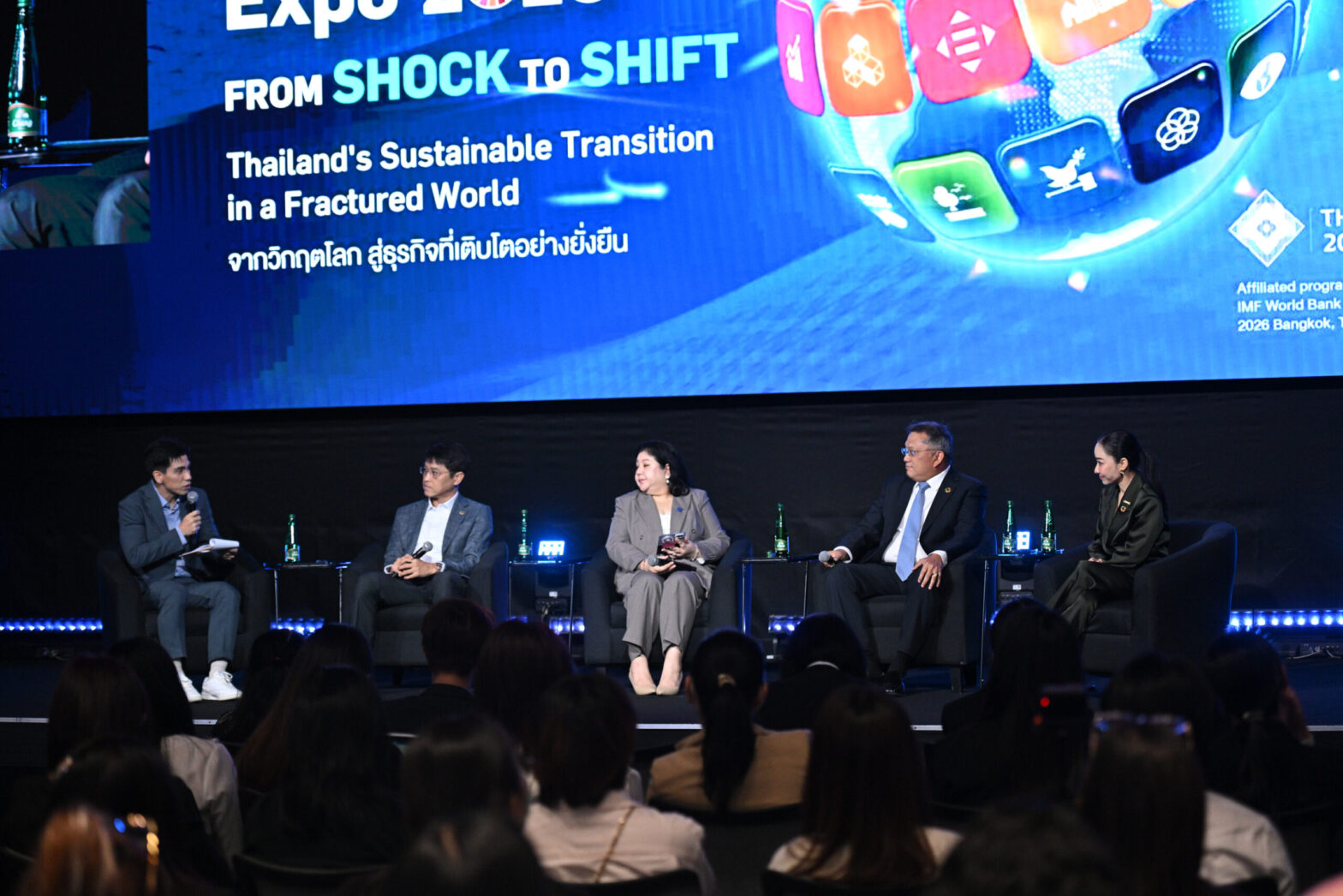
SCGP Joins GCNT Expo 2026 to Highlight Green Supply Chain Strategies to Navigate Change and Create Business Opportunities Across Value Chain Loading Data… SCGP, represented by Mr. Ekaraj Niroj, Chief Marketing and Customer Officer, SCG Packaging Public Company Limited, or SCGP, joined the panel discussion titled “Green Supply Chain in the New Trade Era: Challenges and Opportunities for Thai Business” at GCNT Expo 2026, alongside executives from CPF, Unilever, and BJC. The discussion explored the volatility and risks arising from changes in the global trade landscape, which present both challenges and opportunities for Thai businesses. SCGP places customers at the center of its business approach, with a focus on understanding the diverse needs of customers across different markets and industries, while enhancing supply chain resilience and advancing Green Supply Chain practices to strengthen competitiveness, build credibility, and create new business opportunities for customers amid evolving global trade rules that place greater emphasis on carbon data and traceability.In addition, SCGP is driving carbon reduction across the value chain through the use of renewable energy, AI and Machine Learning to improve energy efficiency, alongside the continuous development of packaging solutions. These efforts help customers reduce resource consumption, improve production and logistics efficiency, enhance recyclability, and support Scope 3 emissions reduction targets. SCGP also works closely with customers, business partners, SMEs, government agencies, and communities to advance the principles of the Circular Economy and co-develop solutions tailored to customers’ business contexts, creating measurable value and enabling sustainable growth together across the value chain. Related Contents Loading Data…
SCGP Inspires New Possibilities Through “Infrastructure as Medium” Sharing Creative Ideas Through Paper and Circular Economy Principles to Advance Sustainable Urban Development
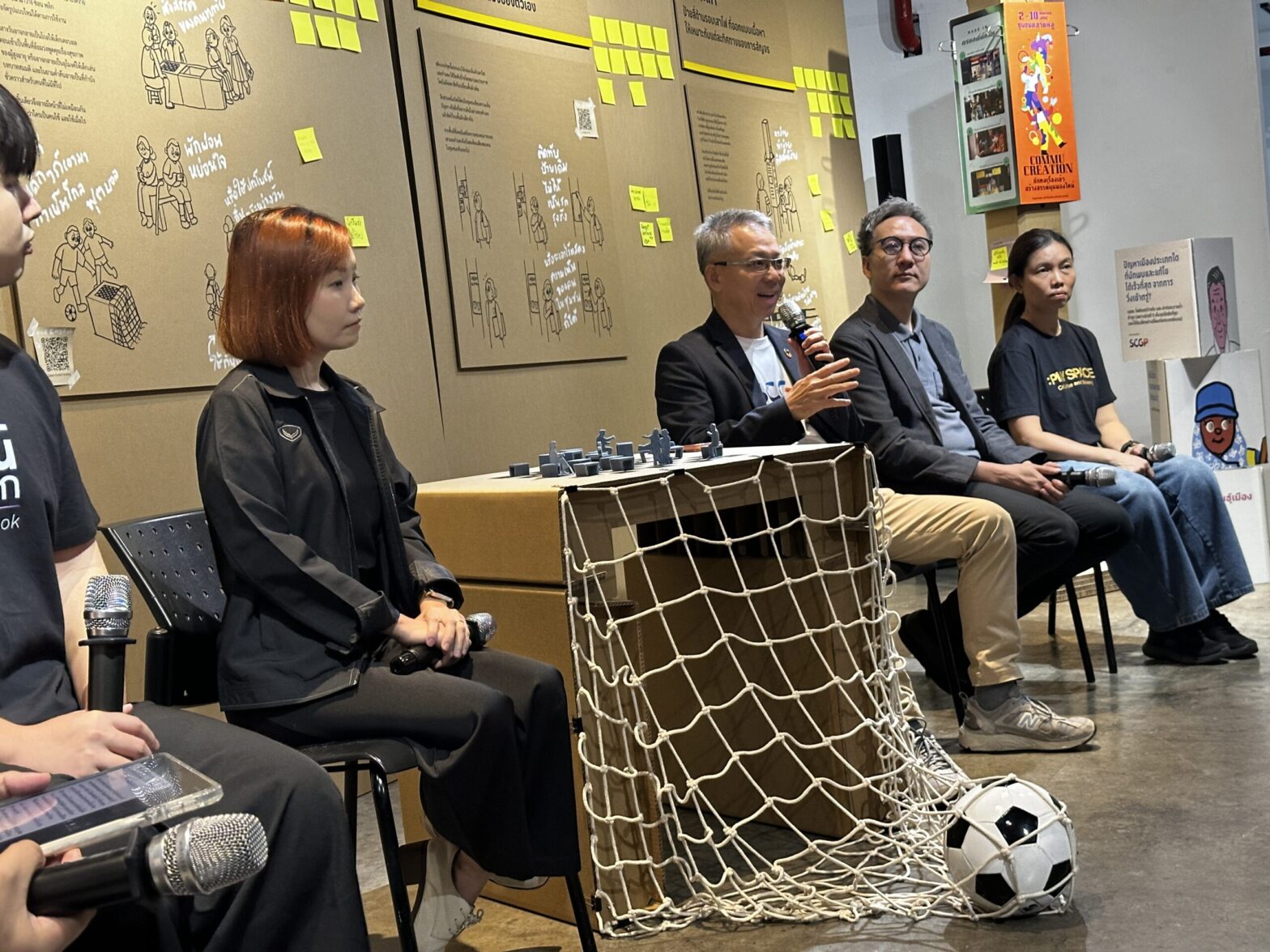
SCGP Inspires New Possibilities Through “Infrastructure as Medium” Sharing Creative Ideas Through Paper and Circular Economy Principles to Advance Sustainable Urban Development Loading Data… SCGP supported the “Asynchronous Participation” exhibition organized by Bangkok City Lab. The exhibition enables people to engage in learning and urban development in ways that suit their different lifestyles and schedules. It explored how urban elements, public spaces, and community activities can spark curiosity and encourage ongoing participation.As part of the exhibition, SCGP presented the “Infrastructure as Medium” concept, offering a new perspective on how urban structures and everyday elements—from public spaces and walkways to walls and benches—can serve purposes beyond their practical functions. They can also become media for creating experiences, inspiring learning, and enabling community members to collectively create and leave meaningful traces of participation. SCGP contributed its expertise in paper and packaging to develop prototypes showcasing the potential of paper as a flexible and adaptable material that can be returned to the circular system. Through these prototypes, paper became a medium for connecting people, learning experiences, and engagement with urban spaces. In addition, Mr. Soonthorn Yongvibulsiri, ESG, Safety and Compliance Director, SCGP, joined a panel discussion to share perspectives on the Circular Economy, material innovation, and the role of cross-sector collaboration in sustainable urban development. The discussion covered resource-efficient design, the selection of materials that can be circulated and reused, and the creation of spaces that respond to the needs of people, communities, and the environment.Through this collaboration, SCGP applied its expertise in materials and design to explore and communicate new ideas, creating possibilities for inclusive learning spaces and cities that welcome participation from everyone while collectively advancing society towards a sustainable future. Related Contents Loading Data…
SCGP Partners with S&P to Highlight the Charm of Mooncakes Through Innovative Packaging Design Enhancing the Joy of Gifting with a Memorable Experience
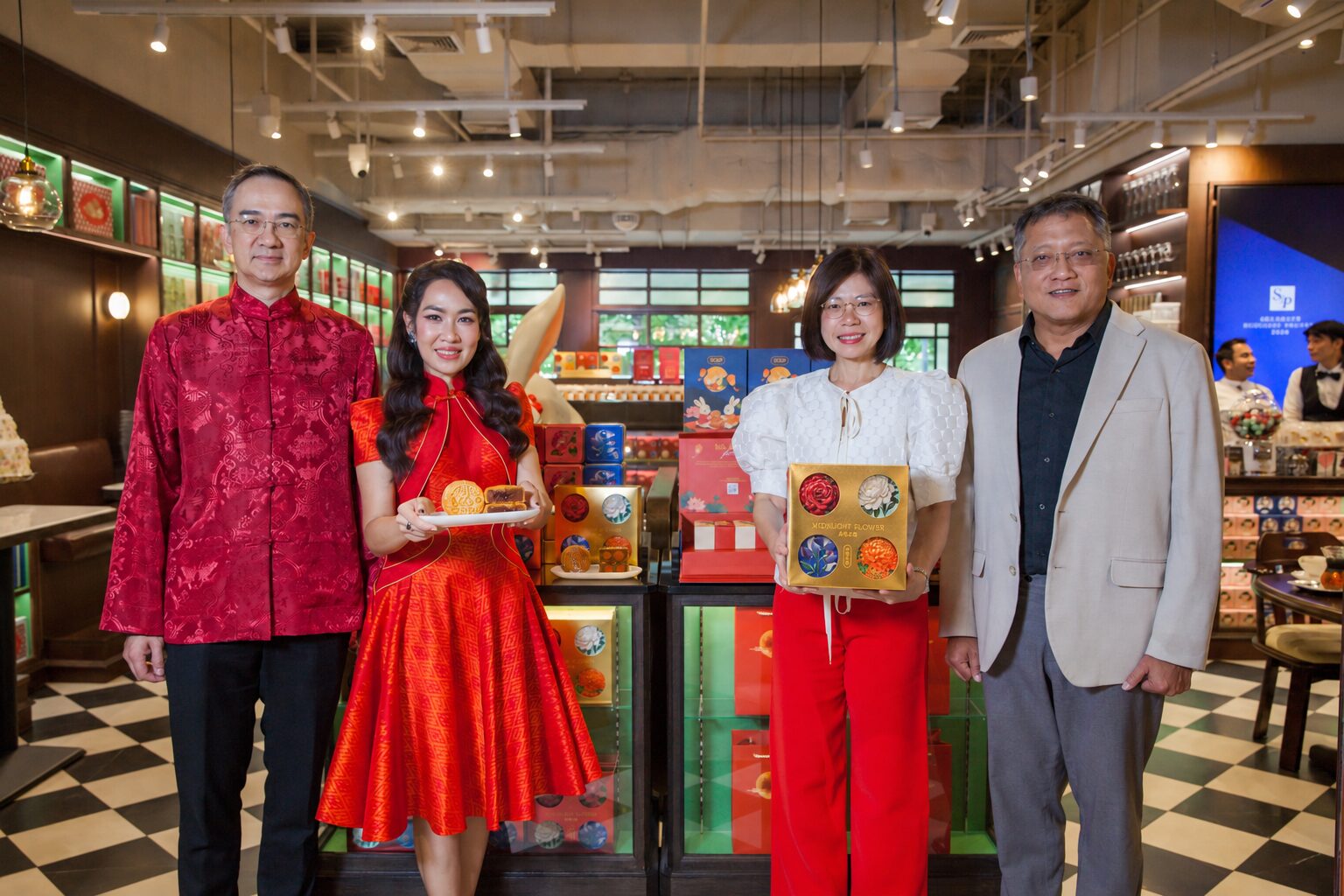
SCGP Partners with S&P to Highlight the Charm of Mooncakes Through Innovative Packaging Design Enhancing the Joy of Gifting with a Memorable Experience Loading Data… SCGP, in collaboration with S&P Syndicate Public Company Limited or S&P, presents S&P’s Mooncake Collection, “Moonlight Flower Gift Box,” under the concept “Gifting Moonlight Flowers with a Special Meaning on the Full Moon Night.” As long-standing business partners, SCGP and S&P have continuously collaborated for more than nine years to create packaging solutions that meet the functional and design needs of each year’s mooncake collection. This year, SCGP has developed a new packaging design featuring a window that allows recipients to see the beautiful patterns of the mooncake packaging inside. The elegant and refined printing quality adds value and distinction to the products while creating a memorable experience for recipients. The Moonlight Flower Gift Box is available at all S&P branches and through S&P’s online channels. People in the photo (from left to right): • Mr. Kamtorn Sila-on, Chief Executive Officer, S&P • Mrs. Maneesuda Sila-On, Chief Sustainability Officer, S&P • Ms. Atittaya Chumpa, Manager – Marketing, Branding and Sustainability, SCGP • Mr. Ekaraj Niroj, Chief Marketing and Customer Officer, SCGP Related Contents Loading Data…