
Author Archives: SCGP 1

Interim Dividend Announcement for the year 2026 (dated August 10-12, 2026)
PPWR: The New Packaging Rules Every Industry Must Know
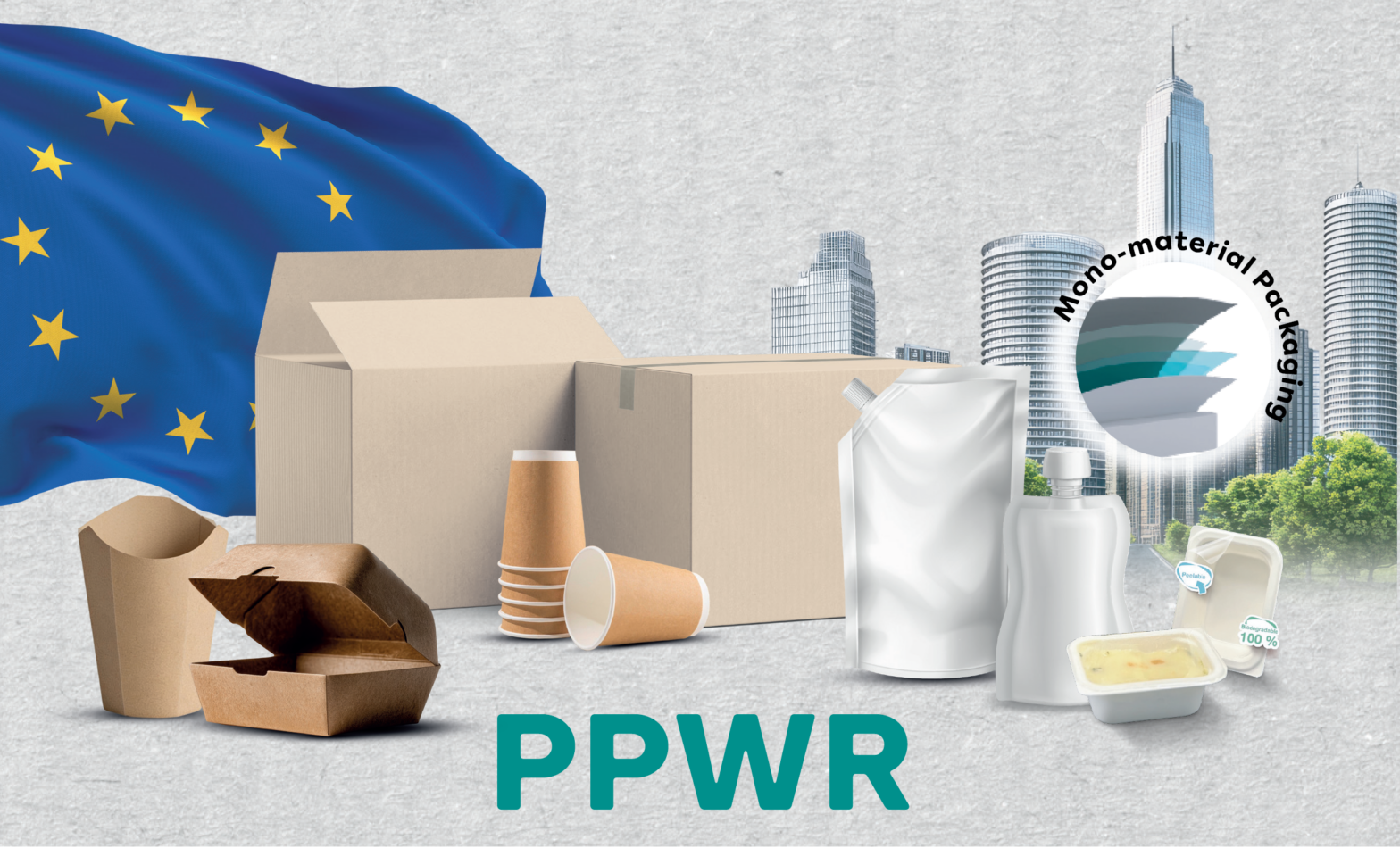
PPWR: The New Packaging Rules Every Industry Must Know Loading Data… SCGP is continuously advancing its packaging development and production systems to prepare for the EU Packaging and Packaging Waste Regulation (PPWR), a new European Union regulation aimed at reducing packaging waste at its source and accelerating the transition toward a Circular Economy. The regulation covers the entire packaging lifecycle, from design, production, and usage to end-of-life management, ensuring that packaging can be effectively recycled, resources are used efficiently, and environmental impacts are minimized in the long term.Today, businesses around the world are facing increasingly stringent environmental regulations, particularly in the European Union. Manufacturers, brand owners, importers, distributors, and businesses exporting products to the European market will need to adapt to the new PPWR requirements, with key provisions becoming applicable from 12 August 2026 onwards. The regulation focuses on reducing packaging waste, promoting Design for Recycling, increasing recycled content, reducing the use of single-use packaging, and enhancing transparency and traceability throughout the value chain.PPWR is therefore both a legal requirement and a key factor influencing business competitiveness on a global scale. Companies that adapt early will be better positioned to maintain market access, build customer confidence, and reduce future compliance costs. Businesses that fail to prepare may face restrictions on product sales, supply chain uncertainty, and rising costs associated with urgent packaging redesign and compliance efforts.SCGP views the evolution of global regulations as an important driver for advancing the packaging industry toward sustainability. As a result, the Company has integrated Circular Economy principles throughout its operations, ensuring that compliance with environmental requirements can simultaneously create business value while reducing environmental impacts. SCGP’s preparation is driven through three key approaches: 1. Eco-design Expertise Designing packaging with the entire lifecycle in mind, from material selection and manufacturing to usage and recovery, in order to enhance recyclability and reduce resource losses. 2. Integrating Circularity Embedding Circular Economy principles into business operations continuously, starting from the production stage rather than focusing solely on end-of-life waste management. This approach improves resource efficiency and minimizes waste generation at the source. 3. Collaborative Ecosystem Building strong collaborations with customers, suppliers, and industry partners to elevate the entire value chain and ensure readiness for international sustainability standards and regulations. These approaches are translated into tangible innovations and operational practices that align with PPWR requirements, including: • Mono-material Packaging Transforming packaging structures from multi-layer formats into single-material solutions to simplify sorting processes and improve recyclability. • Increase Recycled Content with PCR (Post-Consumer Recycled Content) Increasing the use of post-consumer recycled materials to support recycled content targets in packaging and promote resource circulation within the economy. The expectations of PPWR extend beyond improving recycling rates. They also include reducing unnecessary packaging, increasing the use of recycled materials, decreasing reliance on single-use packaging, promoting reuse and refill systems, ensuring transparent and traceable information, and restricting hazardous substances that may impact human health and the environment. All of these requirements reflect a common objective: “To reduce packaging waste at the source, rather than merely managing it once it becomes waste.” SCGP is therefore continuously developing innovations and enhancing its production systems to stay ahead of evolving global regulations. Through these efforts, the Company aims to create greater value for customers, strengthen business competitiveness, and contribute to driving the packaging industry toward a more sustainable future. For more information about SCGP’s sustainable packaging initiatives, please refer to the Sustainability Report and visit the SCGP Sustainability Website: https://sustainability.scgpackaging.com/or contact +66 2 586 5555 for product and service inquiries. Related Contents Loading Data…
SCGP Joins Forces with Rockworth to Advance Green Design Through Sustainable Packaging and Furniture Solutions, Creating Long-Term Business Value and Meeting Evolving Consumer Lifestyles
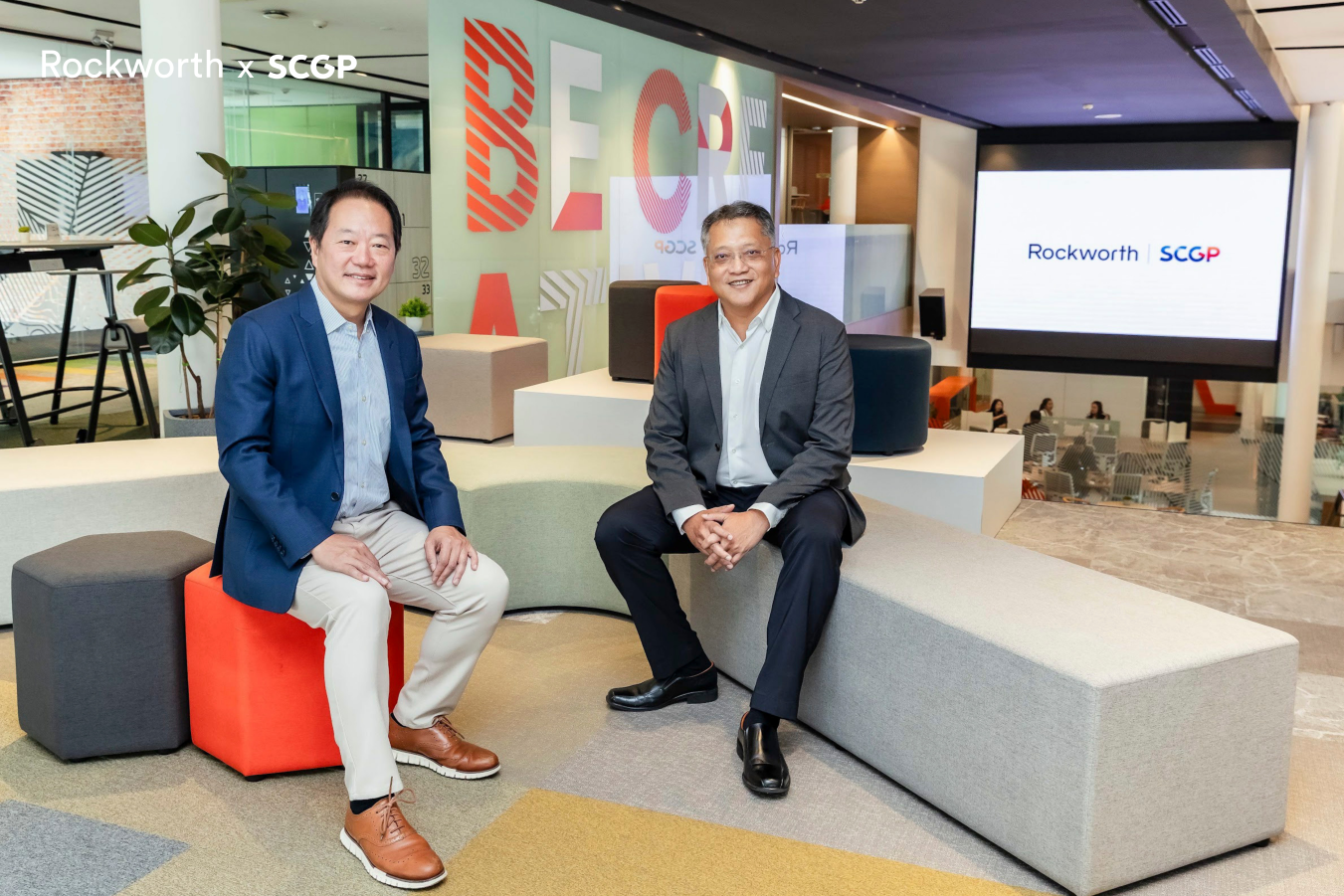
SCGP Joins Forces with Rockworth to Advance Green Design Through Sustainable Packaging and Furniture Solutions, Creating Long-Term Business Value and Meeting Evolving Consumer Lifestyles Loading Data… SCGP has partnered with Rockworth, a leading office furniture innovator, to advance environmental solutions spanning packaging design for furniture products, the development of paper-based furniture, and solutions for events and exhibitions. The collaboration aims to promote efficient resource utilization, reduce environmental impacts, and support sustainable business growth.This collaboration is built on a co-creation approach, combining SCGP’s expertise in materials, packaging, and solution design with Rockworth’s deep understanding of furniture, user behavior, and market needs. Together, the two companies are developing solutions that create value across business performance, environmental sustainability, and consumer experience. Enhancing Competitiveness with Packaging Designed to Reduce Carbon FootprintSCGP and Rockworth are jointly exploring and developing more environmentally friendly packaging solutions for furniture products by optimizing material usage and redesigning paper-based transport packaging to better suit different product types. Initiatives include the use of Light Weight Sheet Board, packaging redesign for chairs, and export packaging sets. The solutions are also tested for key performance requirements, including carton strength and transportation durability, to ensure optimal resource efficiency, reduced transportation weight, and reliable product protection throughout the logistics process. These improvements help reduce the Carbon Footprint of Products (CFP) associated with packaging while enhancing the competitiveness of furniture products, particularly in international markets where environmental standards are becoming increasingly important. Developing Sustainable Paper-Based Furniture for Modern Lifestyles and Flexible SpacesAnother key area of collaboration is the development of paper-based furniture, including the Stool HEX and Paper Furniture concepts designed for educational institutions and learning environments such as Active Learning classrooms and seminar spaces. The furniture is designed to be lightweight, easy to move, and capable of reducing carbon emissions compared with conventional materials or traditional furniture solutions. These products also respond to evolving user preferences for flexible, adaptable spaces while supporting Green Lifestyle concepts. They demonstrate how renewable paper-based materials can be transformed into practical furniture solutions that deliver both functionality and new user experiences. Developing Event and Exhibition Solutions That Are Easy to Use and Environmentally FriendlySCGP and Rockworth also see opportunities to jointly develop solutions for events and exhibitions, where temporary structures often require large volumes of materials while presenting challenges in transportation, installation, and storage. The proposed solutions focus on using recyclable materials with lower carbon emissions and lightweight structures that simplify transportation and installation. These innovations help reduce the complexity of event operations while supporting the sustainability goals of brands and organizations, alongside delivering better experiences for event participants. Mr. Chakrit Vorachacreyanan, Senior Executive Vice President and Chief Operating Officer of Rockworth, said, “Rockworth is committed to delivering workspace solutions that enhance productivity, place users at the center of design, and create sustainable environments for the future. We believe furniture should not only provide outstanding functionality and design but also reflect sustainability. Today’s consumers increasingly care not only about aesthetics and usability but also about where materials come from and their environmental impact. At the same time, governments and global markets are moving toward Net Zero 2050 goals. Rockworth is committed to being part of this transition through our collaboration with SCGP to develop sustainable packaging, paper-based furniture, and innovative solutions for modern spaces that combine functionality, lifestyle, and environmental responsibility.” Mr. Ekaraj Niroj, Chief Marketing and Customer Officer of SCGP, said, “SCGP believes that developing solutions capable of delivering meaningful sustainability outcomes begins with a deep understanding of customers’ business challenges and end-user behavior. Our collaboration with Rockworth demonstrates how SCGP’s expertise in materials, packaging, and design can be integrated with our customer’s strengths to improve resource efficiency, reduce environmental impacts, and create new solutions for the furniture market that address both business needs and modern lifestyles.” SCGP remains committed to working closely with customers and business partners to develop innovative packaging and material solutions that enhance business performance while minimizing environmental impacts. Through these collaborative efforts, the company continues to support the transition toward a low-carbon society and sustainable growth. Related Contents Loading Data…
SCGP Partners with Faculty of Medicine Siriraj Hospital, Mahidol University to Develop Innovative Orthopedic Surgical Devices, Strengthening Thailand’s Medical Device Industry
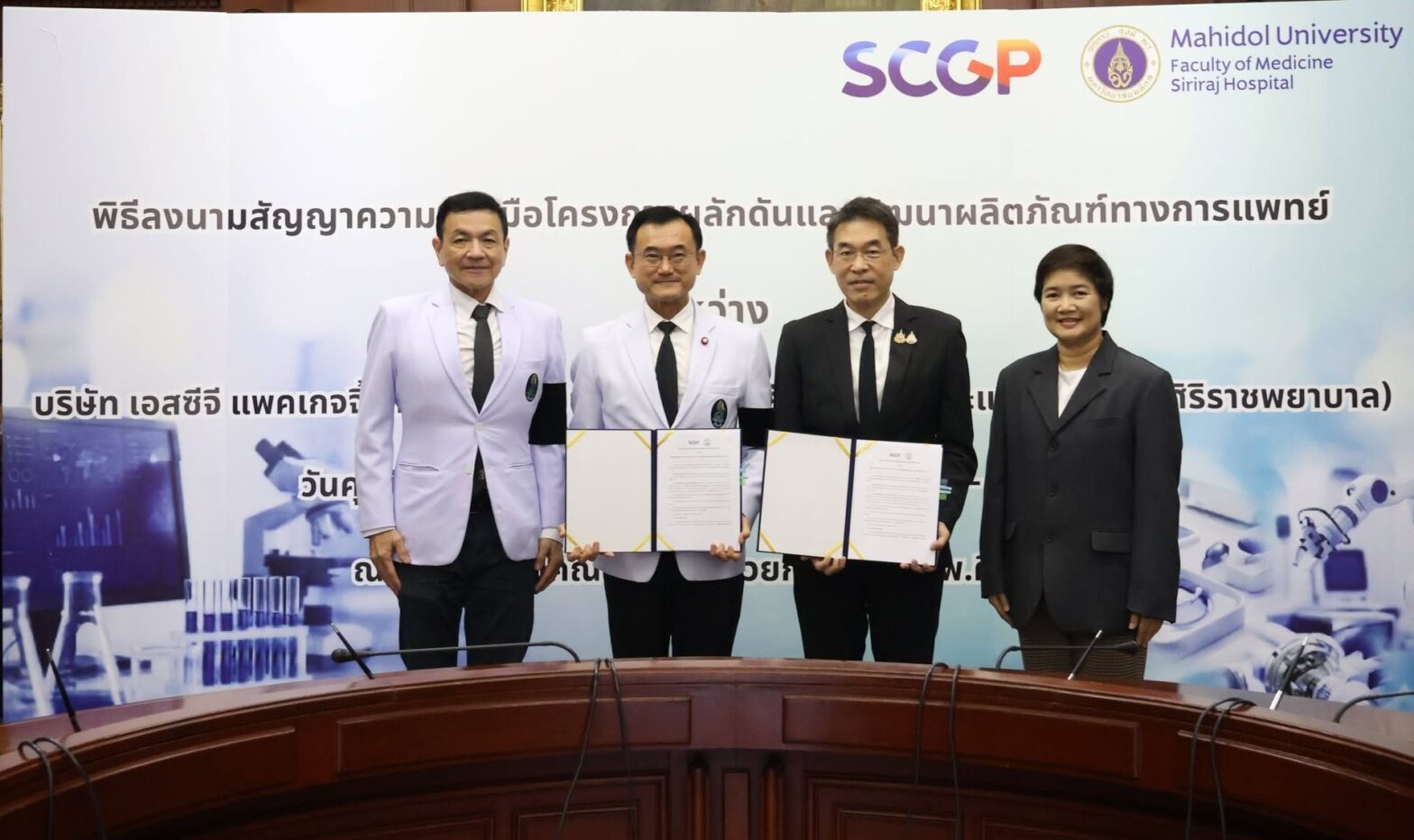
SCGP Partners with Faculty of Medicine Siriraj Hospital, Mahidol University to Develop Innovative Orthopedic Surgical Devices, Strengthening Thailand’s Medical Device Industry Loading Data… SCGP has signed a Memorandum of Understanding (MOU) with the Faculty of Medicine Siriraj Hospital, Department of Orthopaedic Surgery and Physical Medicine and Rehabilitation, Mahidol University, to jointly research and develop innovative orthopedic surgical devices under the “Medical Product Development and Innovation Promotion Project.” The collaboration aims to advance healthcare standards while supporting the development of Thai-made medical devices. This partnership reflects a shared commitment to integrating medical expertise with advanced manufacturing technologies to create practical innovations that can be effectively applied in clinical settings, ultimately enhancing patient care and strengthening the long-term competitiveness of Thailand’s medical device industry. Related Contents Loading Data…
SCGP Announces Q2 Profit, supported by Indonesia Turnaround, Continued Strong Performance in Vietnam; Declares Interim Dividend of 0.40 Baht per Share and Expands Integrated Solutions Portfolio
SCGP Announces Q2 Profit, supported by Indonesia Turnaround, Continued Strong Performance in Vietnam; Declares Interim Dividend of 0.40 Baht per Share and Expands Integrated Solutions Portfolio Loading Data… SCGP announced its quality growth in operating results for the second quarter of 2026, with total revenue from sales of Baht 32,454 million and profit for the period of Baht 2,304 million. The strong performance was supported by a turnaround to profitability in the Indonesian operations and expanding packaging demand across ASEAN, particularly in Vietnam, where strong growth continued. SCGP is moving ahead with its strategy to expand investment in the fiber packaging business, strengthening its capabilities to deliver integrated packaging solutions across ASEAN. SCGP also announced an interim dividend payment of Baht 0.40 per share. Looking ahead to the third quarter, cost conditions are expected to have lower volatility, while demand in Thailand is anticipated to benefit from government stimulus measures and inventory preparation toward the end of the quarter. Wichan Jitpukdee, Chief Executive Officer of SCG Packaging Public Company Limited or SCGP, said that the overall packaging industry in the second quarter of 2026 demonstrated continued growth. This was driven by higher domestic demand across ASEAN countries and increased exports after the holiday periods in Indonesia and Vietnam, together with the high agricultural season and inventory buildup to address supply uncertainty. Furthermore, government stimulus measures aimed at reducing the cost of living and promotional campaigns related to the FIFA World Cup 2026 contributed to favorable packaging demand, particularly for consumer goods and food packaging. Meanwhile, on the cost side, raw material, energy, and freight costs surged due to disruptions from the Middle East conflict. SCGP continued to enhance operational excellence and ensure customers’ business continuity, while strengthening competitive position through the regional production network and delivering integrated packaging solutions for consumers. These capabilities have enabled SCGP to respond effectively to evolving customer requirements. These efforts were evident in the turnaround of operations in Indonesia, which successfully returned to profitability. This improvement was supported by higher domestic packaging sales volumes, selling price adjustment following regional market conditions, cost optimization, energy mix arrangement, and enhanced production efficiency, all of which enabled SCGP to achieve cost optimization targets. Concurrently, operations in Vietnam continued to experience robust growth, driven by ongoing economic expansion and resilient domestic consumption. In addition, SCGP has collaborated with customers to adapt packaging solutions in response to prevailing market conditions.Consequently, these factors contributed to quality growth in operating results for the second quarter of 2026. SCGP reported total revenue from sales of Baht 32,454 million, up 3% from the same period of the previous year and 11% from the previous quarter. EBITDA amounted to Baht 5,821 million, up 37% year on year and 25% quarter on quarter. Profit for the period was Baht 2,304 million, up 128% year on year and 47% quarter on quarter. Previous slide Next slide Accordingly, On 21 July 2026, the Board of Directors of SCGP has approved a H1/2026 interim dividend payment of 0.40 Baht/Share (Baht 1,717 million), which is payable on 19 August 2026 (XD-date on 4 August 2026 and record date on 5 August 2026).Wichan added that the overall packaging industry is expected to grow in the third quarter of 2026 compared with the same period of the previous year. This positive outlook will be driven by manufacturing activities to support inventory preparation toward the end of the third quarter through the fourth quarter, catering to both export and domestic consumption, particularly in Vietnam, Indonesia, and Thailand. Meanwhile, packaging demand in the consumer goods segment is expected to continue its favorable trend, and oil price volatility is expected to show lower volatility. However, due to unresolved international conflicts, market dynamics must be closely monitored to determine appropriate management approaches. This will be executed in parallel with expanding value proposition to customers through the development of products, solutions, and services that effectively respond to a wider variety of needs.SCGP is committed to driving growth through a proactive strategy to expand its fiber packaging business in ASEAN, aiming to capture opportunities from continuously expanding demand. SCGP focuses on expanding converting capacity by 26,800 tons per year of corrugated containers in the south of Vietnam. The new capacity will be located at the existing packaging paper facility of Vina Kraft Paper Co., Ltd. (VKPC) in SCGP, in Ho Chi Minh City, with a total investment of approximately Baht 748 million. The investment will enable SCGP to capture further growth opportunities in Vietnam, with commercial operations expected to commence in September 2027. Meanwhile, SCGP continues to strengthen the competitiveness of its operations in Indonesia by increasing domestic sales volumes. This is firmly supported by the strategic application of technologies, Artificial Intelligence (AI), Machine Learning, and Deep Learning to enhance operational efficiency, cost management, quality control, and data analytics. Additionally, SCGP has adopted Collaborative Robots (Cobots) in its production processes to enhance efficiency in repetitive tasks requiring continuity.Following the retirement of Mr. Wichan Jitpukdee, the Board of Directors of SCGP has approved the appointment of Mr. Danaidej Ketsuwan as Chief Executive Officer, effective January 1, 2027. This appointment marks another important milestone in SCGP’s ongoing preparation for its next phase of growth, reflecting a structured and seamless leadership transition that supports the company’s strategic direction and future business model. It also ensures the continuation of SCGP’s core strengths while bringing in new ideas and perspectives to enhance operational efficiency, strengthen competitiveness, and create sustainable value for shareholders, customers, and all stakeholders. News Release Download Related Contents Loading Data…
SCGP Showcases Medical Supplies and Labware at WHX Bangkok 2026
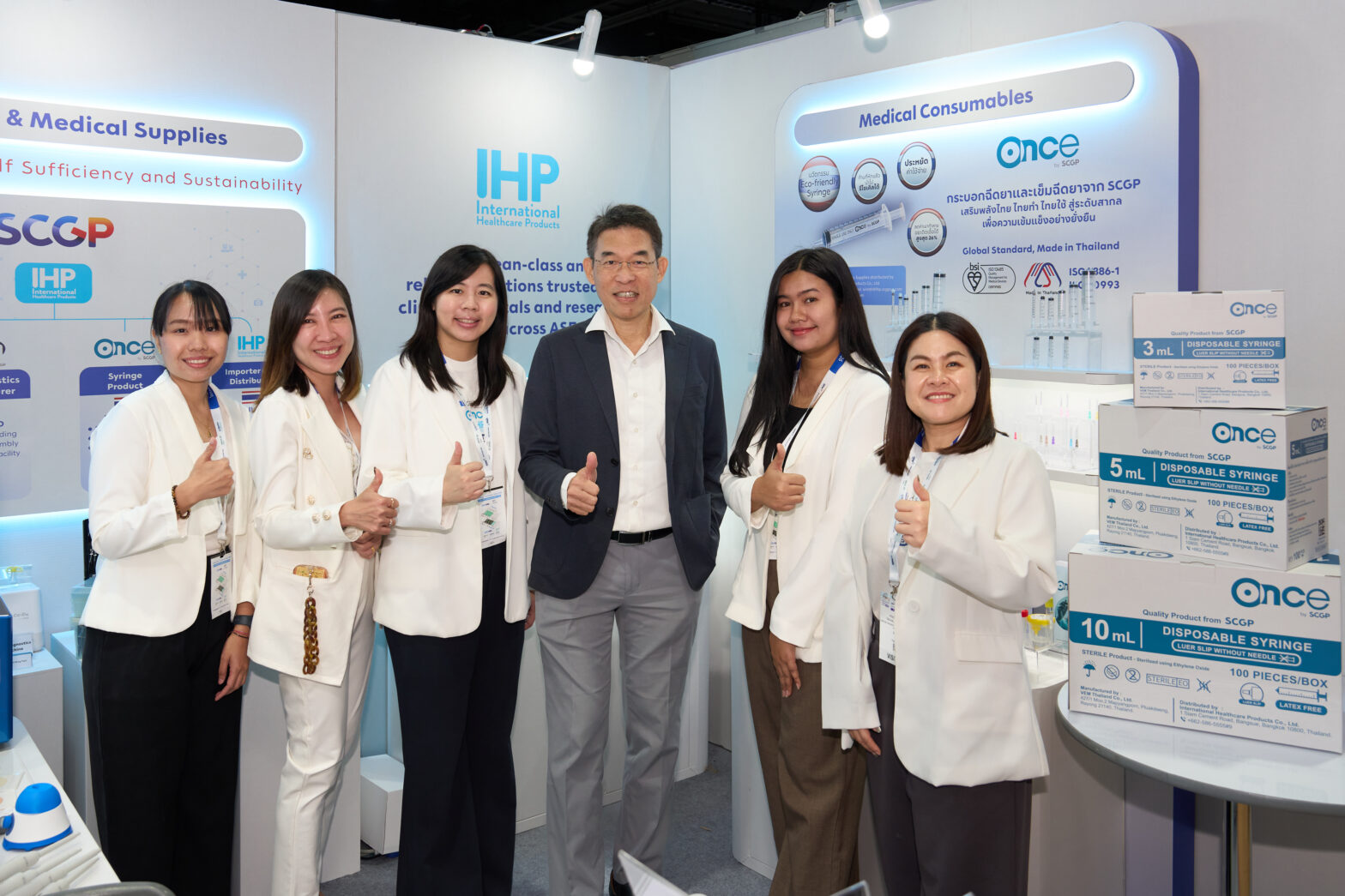
SCGP Showcases Medical Supplies and Labware at WHX Bangkok 2026 Loading Data… International Healthcare Products Company Limited (IHP) in SCGP, exhibited at WHX Bangkok 2026 (World Health Expo), a leading regional exhibition for healthcare, medical devices, and laboratory solutions presenting products manufactured in Thailand by VEM (Thailand) Co., Ltd. (VEM-TH) as well as products imported from Spain by Deltalab, S.L. (Deltalab), covering Medical Consumables and Diagnostic, Food Safety & Industrial portfolios. Among the event product highlights were Once by SCGP syringes and needles, particularly the Once by SCGP syringe, which has been registered with the Thai Food and Drug Administration (Thai FDA) and received the MiT (Made in Thailand) mark by the Federation of Thai Industries (FTI). These credentials reflect the product’s manufacturing standards and compliance with Thailand’s medical device regulations. In addition, other products such as Urine Containers and Tips have also received Thai FDA certification and MiT certification. This participation marks another important milestone for the Healthcare Supplies Business in demonstrating its innovation capabilities, enhancing brand awareness, and strengthening collaboration with healthcare professionals, industry experts, and business partners across the region. The event also created valuable opportunities to expand business networks and support the sustainable growth of the healthcare and laboratory industries. Related Contents Loading Data…
SCGP Holds Business Partner Day 2026 Joining Forces with Business Partners to Elevate Sustainability-Safety-Governance, Enhancing Efficiency Across the Supply Chain
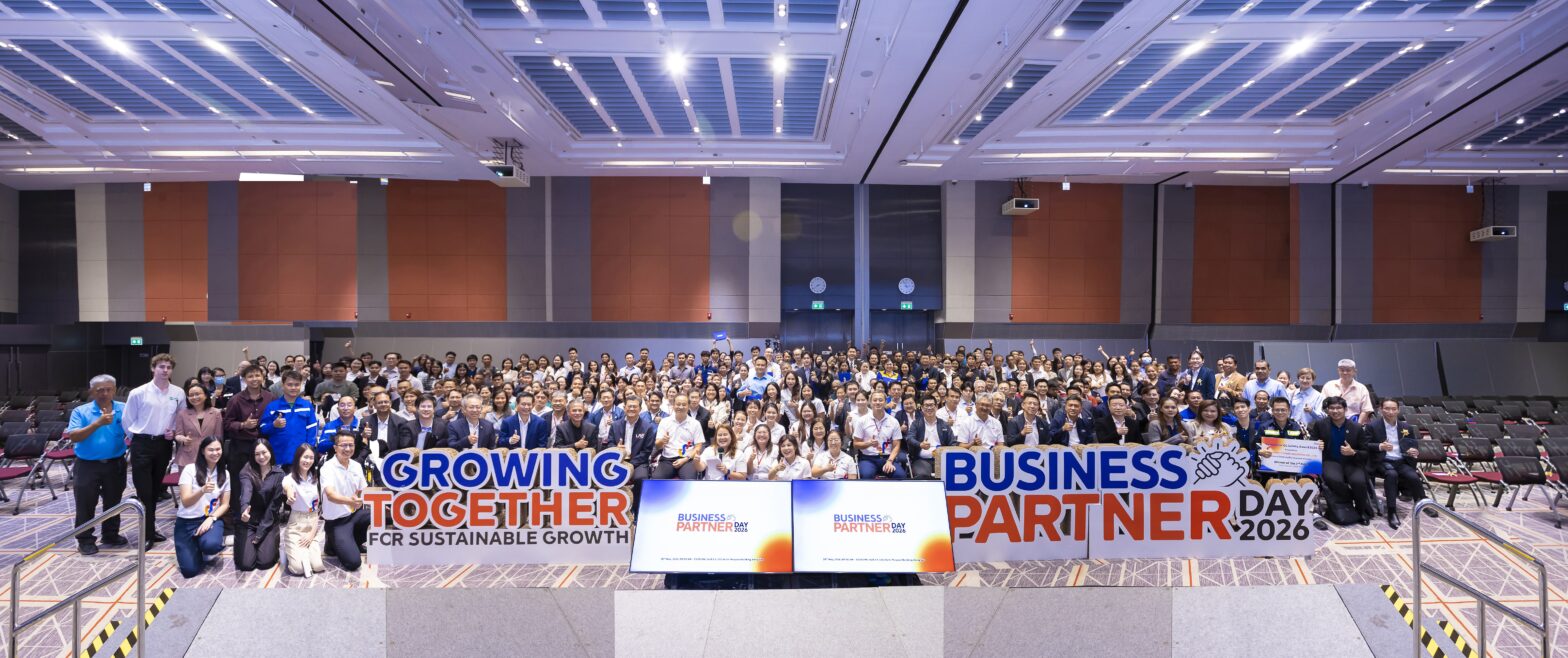
SCGP Holds Business Partner Day 2026 Joining Forces with Business Partners to Elevate Sustainability-Safety-Governance, Enhancing Efficiency Across the Supply Chain Loading Data… Amid a rapidly changing business environment marked by intensified competition, diverse customer needs, technological transformation, and the growing importance of sustainability and safety standards, today’s business operations require close collaboration with business partners who are ready to adapt, improve, and advance in the same direction. SCGP believes that sustainable growth is driven by collaboration across every part of the supply chain. This includes improving operational efficiency, enhancing safety standards, conducting business with transparency and good governance, and leveraging technology and innovation to strengthen competitiveness. Under the concepts of Continuous Improvement and Continuous Advancement, SCGP aims to deliver greater value to customers while growing together with its business partners. Guided by this commitment, SCGP organized Business Partner Day 2026 under the theme “Growing Together for Sustainable Growth.” Held for the third consecutive time, the event aimed to strengthen long-term collaboration with business partners, communicate SCGP’s business direction and strategy, and align policies and operations with the company’s ESG approach.The event served as an important platform to update SCGP’s overall business direction and key areas of focus, covering ESG, supply chain management, transportation safety, workplace safety, and the concept of growing together based on transparency and good governance. These principles form a strong foundation for sustainable collaboration between SCGP and its business partners. The event also provided an opportunity to exchange perspectives on the application of technology and AI to enhance operational efficiency, safety, and sustainability management, leading to tangible and measurable outcomes. Another key highlight was the Sharing Success Story session, where representatives from business partners shared their approaches and best practices that align with SCGP’s sustainability direction.ECOLAB Co., LTD. shared its commitment to environmental management, particularly water management based on the 3R principles, carbon emission reduction, and the pursuit of Net Zero. These efforts are carried out alongside initiatives to enhance business efficiency, with a strong focus on safety, governance, and the development of programs and dashboards to clearly measure, monitor, and track progress.WICE Supply Chain Solutions Co., Ltd., a warehouse management service provider, shared how it has applied technology to improve work processes, enhance supply chain efficiency, and strengthen competitiveness for its business partners. The company also emphasized greenhouse gas reduction, the development of a safety culture within warehouse operations, and the creation of platforms for employees across the organization to exchange safe working practices.Meanwhile, Thanathorn Logistics Co., Ltd. shared its approach to enhancing transportation safety through continuous internal and external assessments, the application of AI to support safety performance, and the development of a readiness assessment system for employees under the Smart Driver concept. The company also organizes activities that encourage employees to exchange safety experiences, helping to continuously raise operational standards.The event also featured a certificate presentation ceremony led by SCGP’s management team to recognize business partners with outstanding performance in Sustainability, Workplace Safety, and Transportation Safety. The recognitions included the Recognition for Sustainability Collaboration, Safety Recognition Award, and QC Safety Award, as well as a special award for business partners that have received the Safety Recognition Platinum Award for three consecutive years. This year, more than 99 business partner companies met the criteria and received certificates of recognition.SCGP remains committed to strengthening collaboration with its business partners as a key mechanism for building resilient growth and enhancing competitiveness. Through continuous knowledge sharing, learning, and the elevation of shared working standards, SCGP and its business partners can grow together with stability, safety, transparency, and sustainability. Related Contents Loading Data…
SCGP Strengthens Customer Competitiveness through Integrated Packaging Solutions and Automation Systems, Presents “Packaging Automation Solutions: Unlock Efficiency & Growth with Packaging Automation” at PROPAK ASIA 2026
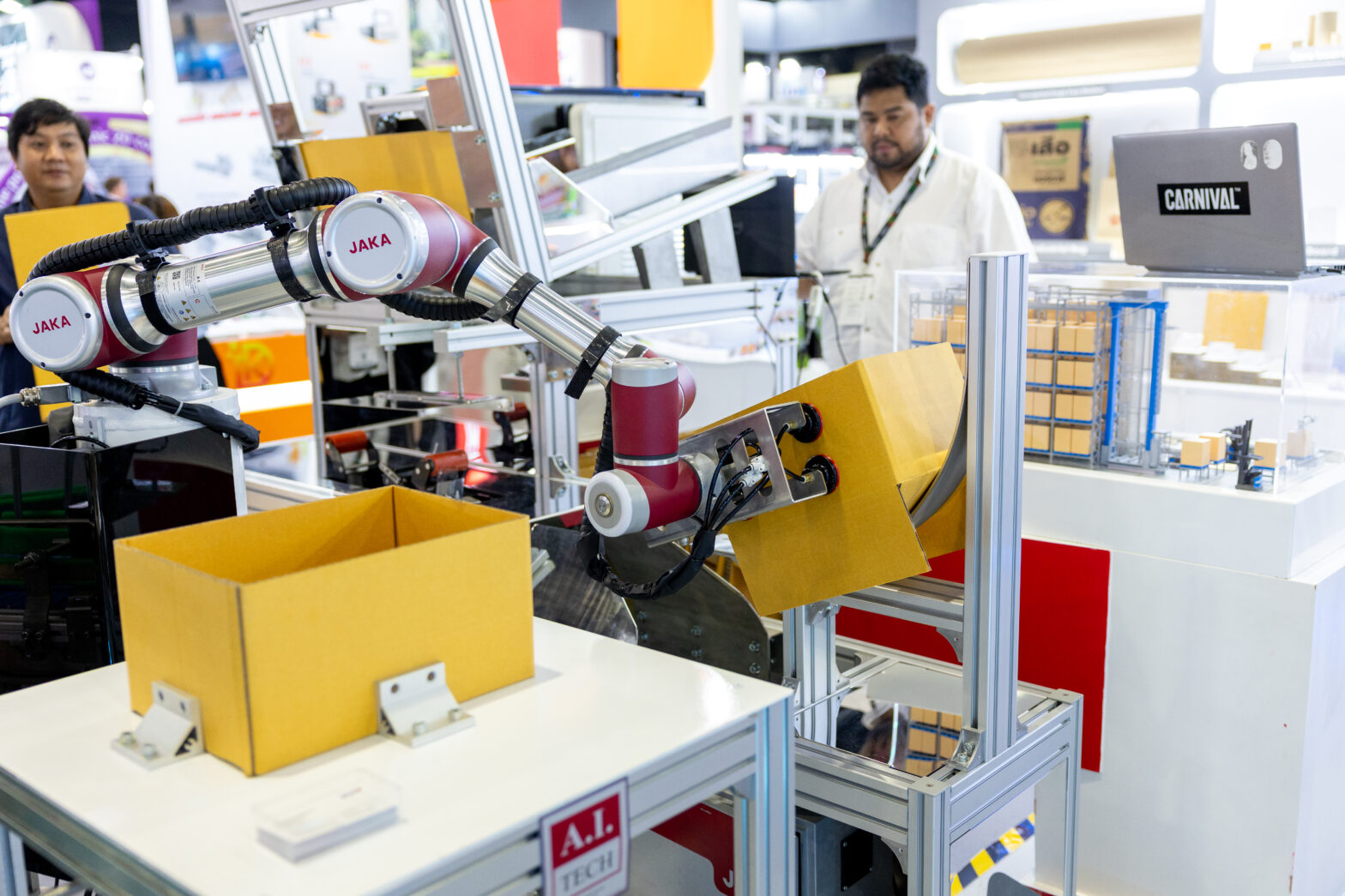
SCGP Strengthens Customer Competitiveness through Integrated Packaging Solutions and Automation Systems, Presents “Packaging Automation Solutions: Unlock Efficiency & Growth with Packaging Automation” at PROPAK ASIA 2026 Loading Data… SCGP hosted the seminar “Packaging Automation Solutions: Unlock Efficiency & Growth with Packaging Automation” for customers during PROPAK ASIA 2026, aiming to update knowledge on packaging design, innovation, and the selection of suitable packaging for products, production processes, and promotional activities that align with business needs. The seminar also presented practical approaches to applying automation systems in collaboration with Packaging Automation Partners to enhance operational efficiency, manage costs, and strengthen customers’ competitiveness.During the seminar, SCGP shared its holistic approach to packaging solutions development, covering material selection, packaging formats, functional design for real usage, and the integration of packaging with Packaging Automation systems. These solutions are designed to support continuous, efficient production and packing processes, while responding to consumers’ growing expectations for speed, flexibility, and consistent quality.The seminar also emphasized the role of automation in enhancing packaging operations across multiple dimensions, including increasing production capacity, reducing errors in work processes, improving cost control, and enabling more accurate production planning. A key focus was placed on holistic process thinking through the review and redesign of workflows, or Reprocess, to ensure that packaging, machinery, warehouse systems, and delivery processes are systematically connected. Another important topic was the introduction of investment privileges from the Thailand Board of Investment (BOI), which can help improve the value of investment in machinery and automation systems. These privileges also provide a competitive advantage for customers seeking to upgrade their production processes, reduce long-term costs, and prepare for future business expansion.The event also featured a Consultation Clinic, providing customers with the opportunity to engage closely with experts from SCGP and BOI. This session allowed participants to discuss business challenges, analyze the specific needs of their organizations, and explore suitable applications of packaging and automation solutions based on their products, available space, production processes, and business growth plans.Amid operational challenges, market and labor volatility, and continuously evolving consumer expectations, SCGP is committed to being a business partner that helps customers analyze challenges, design systems, and identify solutions to improve production efficiency. This support extends across the entire value chain — from packaging design, production, packing, storage, and delivery, to the end point where consumers receive quality products. SCGP will continue to develop Packaging Automation Solutions to help customers enhance efficiency, manage costs, improve quality, and achieve sustainable business growth. Related Contents Loading Data…
WHA Group, together with SCGP Recycle and its Partners, Elevates WeCYCLE Initiative: End-to-End Waste Management Toward a Low-Carbon Society
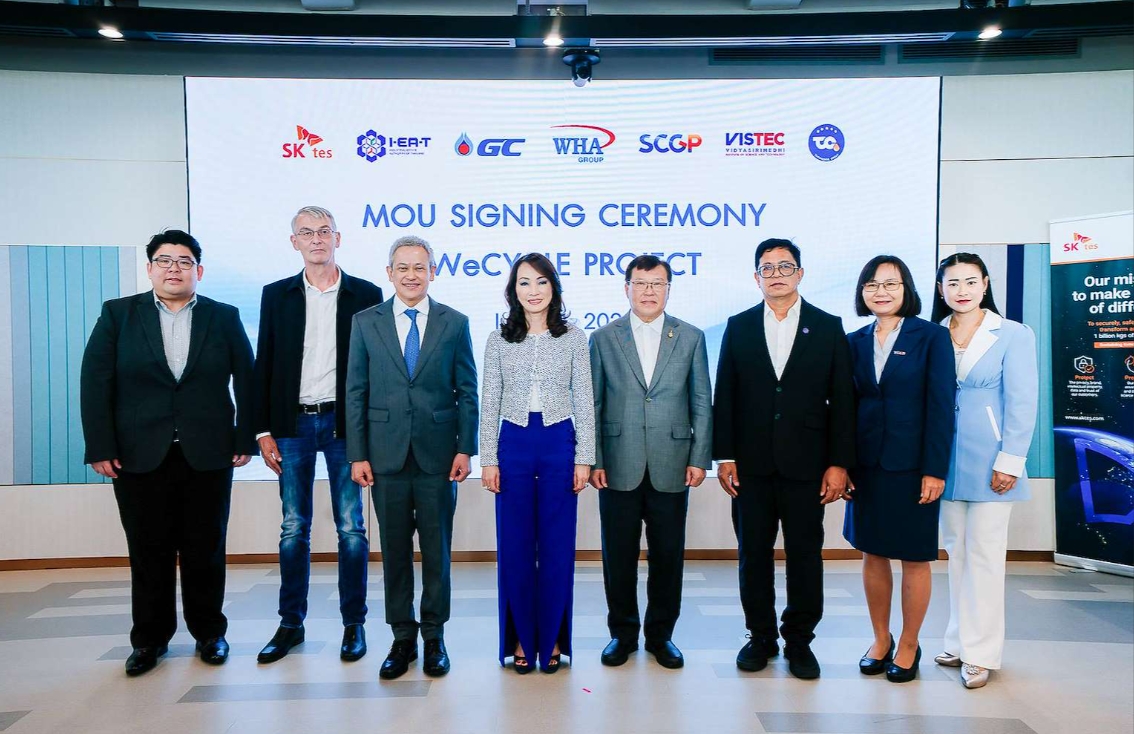
WHA Group, together with SCGP Recycle and its Partners, Elevates WeCYCLE Initiative: End-to-End Waste Management Toward a Low-Carbon Society Loading Data… Samut Prakan, 11 June 2026 – WHA Corporation Public Company Limited (WHA Group) hosted a significant Memorandum of Understanding (MOU) signing ceremony for the “WeCYCLE” project with SCGP Recycle and its Partners at WHA Tower, marking a major milestone in environmental collaboration. A key highlight of this fifth-year milestone was the announcement of two new partners: Vidyasirimedhi Institute of Science and Technology (VISTEC) and Total Environmental Solutions Company Limited (SK tes), joining existing core partners including the Industrial Estate Authority of Thailand (IEAT), PTT Global Chemical Public Company Limited (GC), SCG Packaging Public Company Limited (SCGP), and Thanachok Oil Light Company Limited. This expanded collaboration strengthens the WeCYCLE project by enhancing its capacity to manage resources under the Circular Economy concept in a more comprehensive manner — extending coverage across a diverse range of materials and waste streams, from used plastics and paper to cooking oil, organic waste and food scraps, and electronic equipment — ensuring these resources can be efficiently recovered and utilized to maximum value.Over four years of operation, the WeCYCLE project has delivered tangible results, managing a cumulative total of more than 235 tonnes of waste and reducing greenhouse gas emissions by as much as 527 tCO₂e. To date, more than 140 operators from industrial estates, warehouse facilities, and local communities have joined the initiative. Ms. Jareeporn Jarukornsakul, Chairman of the Executive Committee and Group Chief Executive Officer, WHA Corporation Public Company Limited (WHA Group), stated: “Entering the fifth year of WeCYCLE and welcoming our new partners — VISTEC and SK tes — represents one of the critical gears and mechanisms that reflect our Group’s commitment under its commitment ‘WHA: SHAPE THE FUTURE FOR THAILAND’, as a co-creator of a sustainable future for Thailand. Waste and used materials will no longer be regarded as discards, but as valuable resources when managed the right way. This strengthened collaboration brings together the capabilities of industry leaders, resource management specialists, and leading research institutions to build a powerful and complete ecosystem — supporting the transition toward a green economy, addressing Net Zero greenhouse gas emission targets, and enabling genuine economic growth alongside environmental stewardship for Thailand.” Partner organization executives also shared their respective organizations’ roles in supporting the circular economy and sustainable resource management under this collaboration: Mr. Sumet Tangprasert, Governor of the Industrial Estate Authority of Thailand (IEAT), added: “IEAT is delighted to be part of the WeCYCLE MOU signing ceremony today. Entering its fifth year, this project stands as a model initiative reflecting strong collaboration among the public sector, private sector, and communities in systematically and sustainably advancing the concept of Eco-Industrial Estates. IEAT commends all network partners for their continuous commitment, covering the full spectrum from sorting, collection, recycling, and resource recovery, to knowledge-building that raises awareness among communities and establishments. This not only reduces environmental impact, minimizes waste, and cuts greenhouse gas emissions, but also plays a pivotal role in advancing the Circular Economy concept — aligned with sustainable development goals and the journey toward Net Zero. IEAT stands ready to support and collaborate with all sectors in fostering a culture of resource efficiency, to improve quality of life and the environment, and to drive Thai society toward balanced growth as a low-carbon society. We extend our deepest gratitude to all partners for making this project a tangible success, and we sincerely hope this valued collaboration will continue to grow sustainably.” Mr. Saroj Putthammawong, Chief Operating Officer – Value Added Products, PTT Global Chemical Public Company Limited (GC), highlighted the importance of building a circular economy through multi-sector collaboration: “Over more than four years as part of the WeCYCLE project, GC has collected more than 80 tonnes of used plastics — equivalent to over 4.8 million plastic bottles — through GC YOUเทิร์น, our end-to-end used plastics management platform, from more than 113 member companies across WHA industrial estates. This MOU signing marks a significant step forward: moving beyond used plastics collection toward building a circular economy ecosystem that connects industry, communities, and end users in an integrated manner — through expanded plastics collection networks, the development of Community Waste Hub prototypes, channeling used plastics into high-quality recycling processes, and advancing upcycled products and post-consumer recycled (PCR) pellets for industrial use — to maximize resource value, reduce environmental impact, and co-create a sustainable future for Thai society.” Mr. Thatnate Suwannawarasit, Director of Packaging Materials Recycling, SCG Packaging Public Company Limited (SCGP), stated that SCGP places strong emphasis on driving the Circular Economy in a tangible manner across the entire value chain — from design and production through consumption to the recovery of used materials. The WeCYCLE “Bring Your Old Paper” activity represents one such collaboration between SCGP and industry, channeling used paper from WHA through a systematic process of collection, sorting, and delivery into SCGP’s recycling operations for value recovery, using efficient manufacturing technology rooted in circular economy principles — transforming it into various upcycled products from recycled paper, which are then donated to schools in communities surrounding WHA industrial estates. SCGP has also extended this concept to other sectors, developing model communities for resource and zero-waste management, and promoting knowledge on proper material recovery to reduce waste volumes, minimize the use of virgin resources, and lower greenhouse gas emissions. Collaboration across all sectors is the cornerstone of making the circular economy a reality and the driving force toward a shared sustainable future. Ms. Panjarat Inprakong, Managing Director, Thanachok Oil Light Company Limited, stated:”Thanachok Group places great importance on transforming used cooking oil into new-value energy in the form of bioenergy and Sustainable Aviation Fuel (SAF), in line with the Circular Economy concept. We reaffirm our commitment to efficient resource management to help reduce greenhouse gas emissions and support Thailand’s Net Zero targets.” Dr. Pailin Chuchottaworn, Chairperson of Vidyasirimedhi Institute of Science and Technology (VISTEC), stated:”VISTEC is pleased to be part of the WeCYCLE project, …