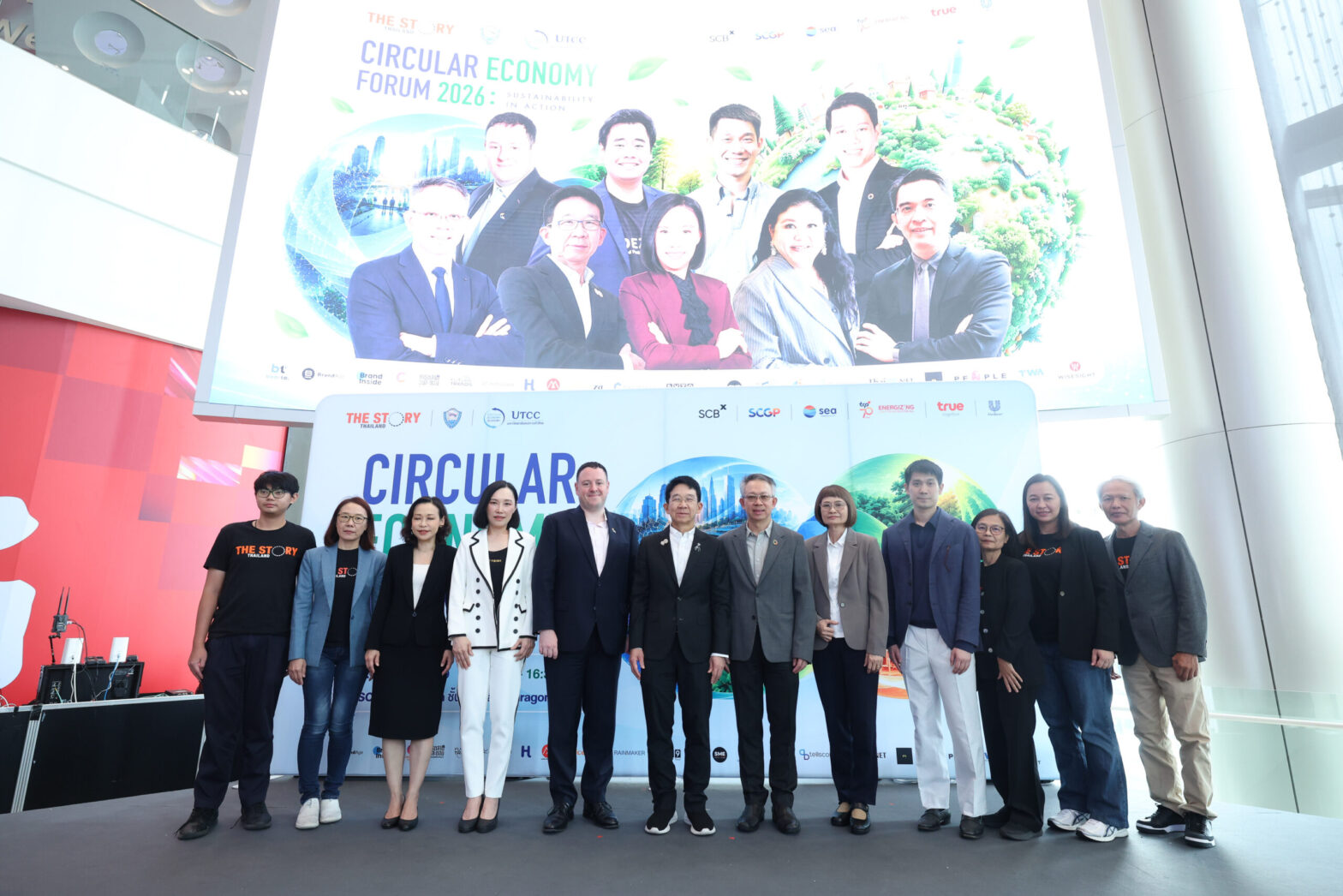
SCGP Shares Knowledge to Advance the Circular Economy Across the Value Chain Loading Data… SCGP recently participated in the Circular Economy Forum 2026: Sustainability in Action, organized by The Story Thailand in collaboration with the Thai Chamber of Commerce and the Circular Economy Academy by UTCC at SCBX NEXT TECH, Siam Paragon. The forum provided a platform for sharing knowledge and practical case studies on integrating Circular Economy principles into business strategies in response to evolving global trade requirements and environmental regulations. At the event, Soontorn Yongwiboonsiri, ESG, Safety and Compliance Director, SCGP, shared SCGP’s approach to advancing the Circular Economy in the packaging industry. This ranges from reducing material use at the design stage and developing reusable, easy-to-separate and recyclable packaging to establishing collection systems that return materials to the production process. These efforts are supported by more than 70 recovered paper collection centers nationwide and collaboration with partners across the value chain. SCGP also works closely with suppliers, particularly SMEs, to support sustainability data development. At the same time, the company collaborates with customers to develop packaging solutions and Carbon Footprint of Products data that address functional requirements, evolving consumer needs and material circularity.This collaboration and knowledge-sharing initiative helps advance the Circular Economy by connecting packaging design, use and recycling into an integrated system—preserving the value of resources while strengthening long-term business competitiveness. Related Contents Loading Data… https://www.youtube.com/watch?v=XHOmBV4js_E
Author Archives: SCGP 1
SCGP Partners with Cook Vegetable Oil to Advance Collaboration into Sustainability Partnership Driving Circular Economy Throughout Value Chain
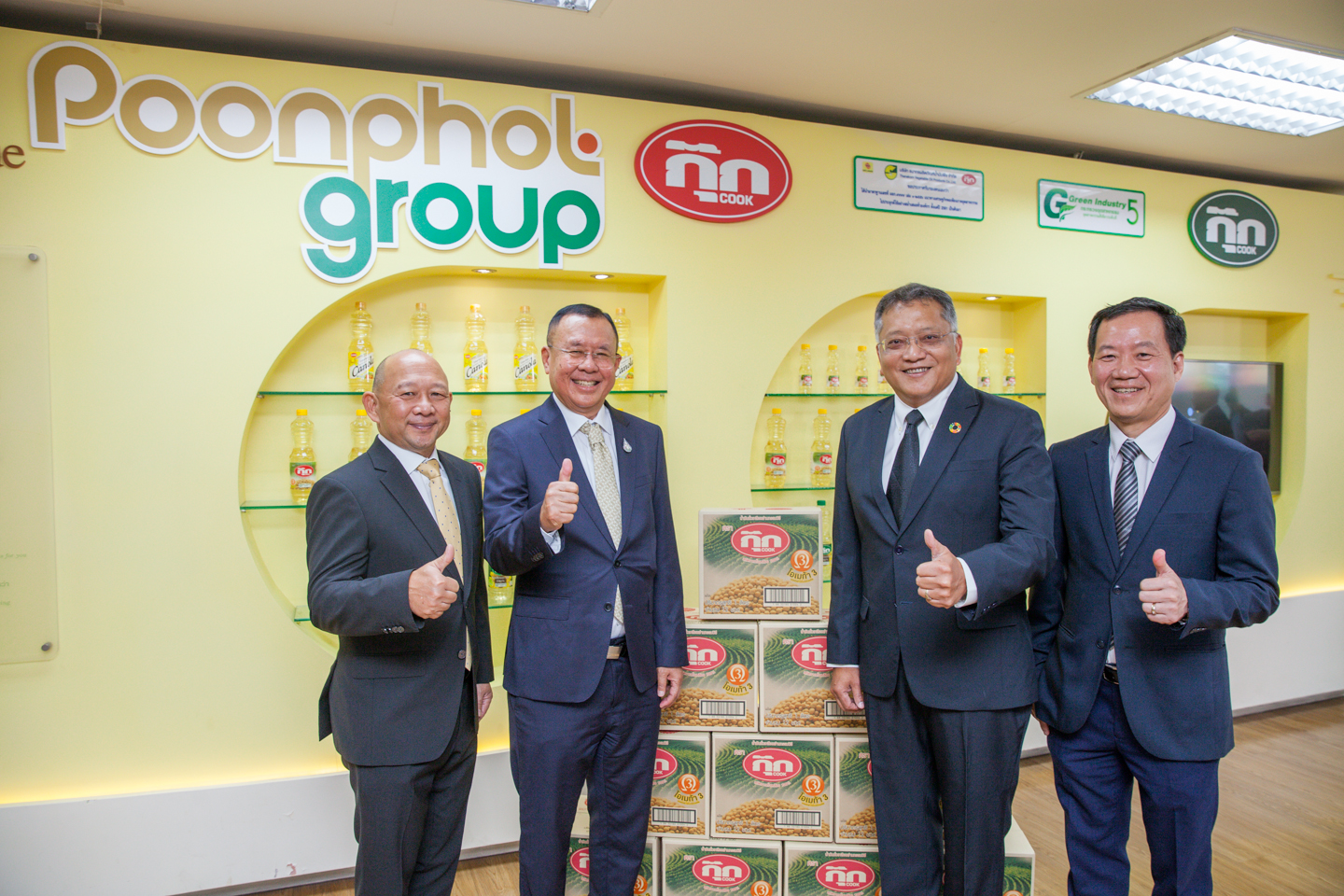
SCGP Partners with Cook Vegetable Oil to Advance Collaboration into Sustainability Partnership Driving Circular Economy Throughout Value Chain Loading Data… SCGP and Thanakorn Vegetable Oil Products Co., Ltd., manufacturer of Cook vegetable oil and one of the core businesses of the Poonphol Group, are expanding their long-standing collaboration from delivering packaging solutions to becoming sustainability partners. The two companies have signed a Memorandum of Sustainability and Efficiency Improvement to jointly manage resources throughout the value chain under the ESG framework. The collaboration connects operations ranging from packaging development, inventory management, and transportation using electric vehicle (EV) trucks, to the establishment of collection points for receiving, sorting, and collecting used paper for systematic recycling. The partnership aims to enhance resource efficiency, reduce environmental impacts, and drive the Circular Economy into concrete action throughout the value chain. Mr. Adul Premprasert, Chief Executive Officer of Thanakorn Vegetable Oil Products Co., Ltd., said that the company aims to become a leading ASEAN organization in the oilseed processing industry through innovation in processes, products, and services. The company operates its business with integrity, responsibility toward stakeholders, and environmental consideration, while placing importance on efficient resource utilization across the entire value chain from the selection of raw materials and packaging, to improving the efficiency of management and transportation, and the management of materials after use. The continuation of our collaboration with SCGP is aligned with the company’s commitment to sustainable business practices, with a focus on driving growth alongside environmental stewardship and efficient resource utilization, while placing strong emphasis on social responsibility both within and beyond the organization. Mr. Petch Wanglee, Managing Director of Thanakorn Vegetable Oil Products Co., Ltd., said that the collaboration with SCGP will help enhance the company’s internal resource management efficiency. The two organizations are jointly establishing collection points for the sorting and collection of used paper to be recycled through SCGP’s recycling process. The collaboration also includes the development of logistics systems that help reduce greenhouse gas emissions while improving transportation efficiency. In addition, both organizations plan to further expand their environmental and social initiatives on an ongoing basis, promoting efficient resource utilization, reducing environmental impacts, and encouraging greater participation among employees and local communities. These efforts will contribute to sustainable growth for both organizations in the future. Mr. Ekaraj Niroj, Chief Marketing and Customer Officer, SCG Packaging Public Company Limited, SCGP, said that SCGP operates and drives growth by leveraging its expertise to develop products and packaging solutions that address customers’ needs, alongside creating sustainability by integrating the Circular Economy into its operations to reduce environmental impacts throughout the product life cycle. SCGP continues to strengthen collaboration with customers by advancing these relationships into sustainability partnerships, creating both operational efficiency and comprehensive environmental value. SCGP has collaborated with Thanakorn Vegetable Oil Products Co., Ltd. in developing packaging solutions for many years. The collaboration has evolved from joint research and development of packaging to becoming partners in managing resources throughout the value chain. This includes delivering packaging solutions that use resources efficiently, managing inventory effectively while reducing environmental impacts, and transportation using electric vehicle (EV) trucks to support sustainable logistics operations. In addition, paper packaging and used paper from Thanakorn Vegetable Oil Products Co., Ltd. are collected and returned to recycling and upcycling processes so that they can be further utilized. Connecting these expertise and solutions helps enhance operational efficiency, reduce the use of virgin resources, minimize environmental impacts, and work together with customers to drive the Circular Economy into concrete and continuous action.This enhanced collaboration marks another important step in supporting customers’ businesses through understanding their challenges and growth directions, leading to the development of solutions and new opportunities that create value for their businesses while maximizing resource utilization. Systematic resource management from upstream to downstream will help improve efficiency, reduce waste, and promote the Circular Economy throughout the entire operation, while creating shared value for business, society, and the environment. It also further expands the collaboration from packaging development toward creating solutions that address both business efficiency and sustainability. Related Contents Loading Data…
AI: From Tool to “Team” Taking AI in Business to the Next Level
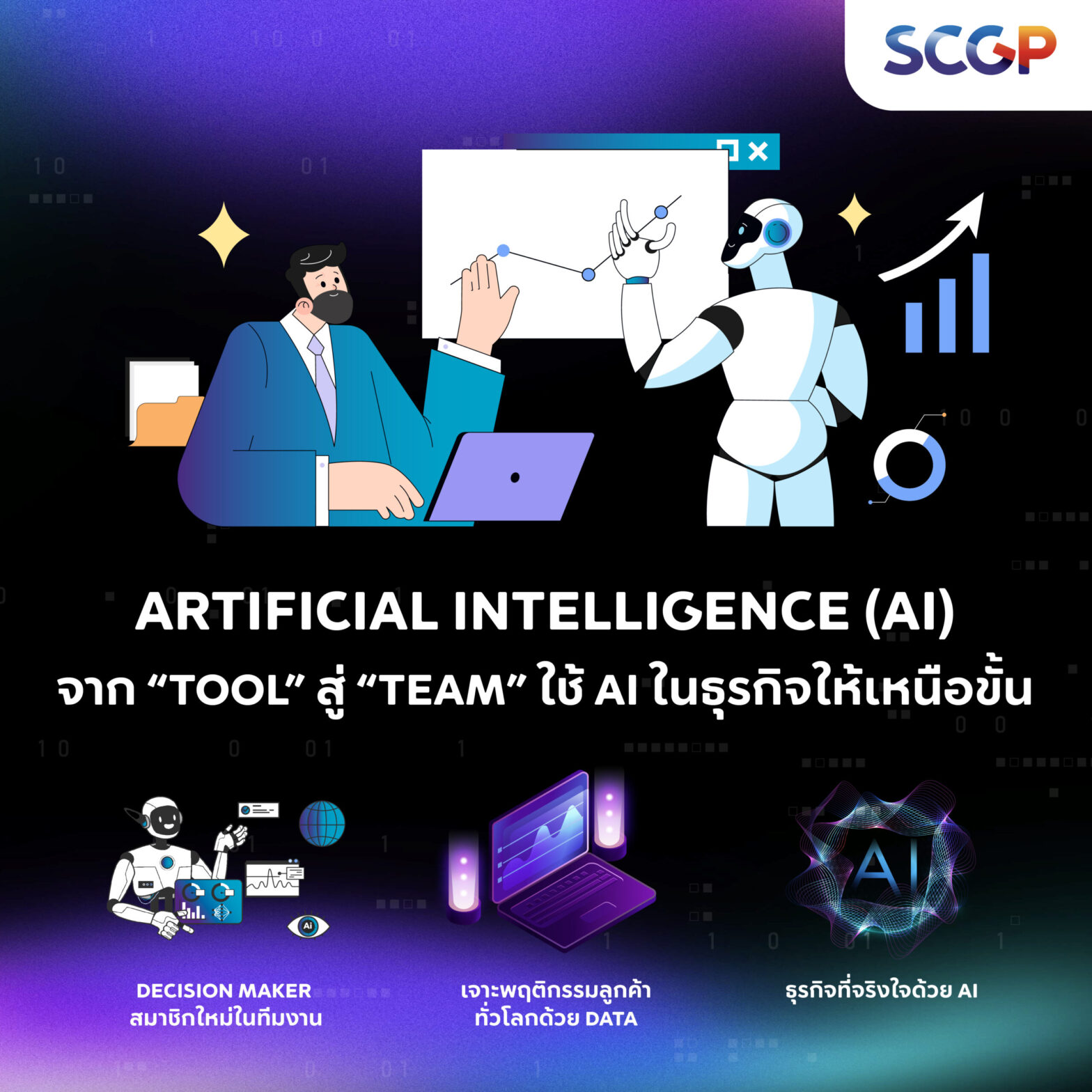
Spotlight AI: From Tool to “Team” Taking AI in Business to the Next Level Loading Data… In the past, marketers often segmented customers by age, gender, or geography. But today, the marketing world does not stick with the traditional “segmentation” anymore. The major challenge for global brands, as a result, is no longer about producing as much content as possible. Every competitor, after all, now has equal access to technology and can generate content just as swiftly. In this volume, Asst. Prof. Dr. Ake Pattaratanakun shares his perspective on how global brands can truly differentiate themselves in an era when virtually every brand can use Artificial Intelligence (AI) to create similar levels of content. Decision Maker is Newest Team Member Modern marketing must delve deep into insights. Executives need to realize that the value of content is now depreciating at a rapid pace, because General Generative AI possesses advanced capabilities in language, data depth, and storytelling—to the extent that it can write insightful articles or even craft dramatic narratives that emotionally engage people. In all, content alone is no longer the ultimate metric of superiority. In the near future, the key focus will lie in Decision Making. Content creation requires someone to set the direction: what should be done, what needs adjusting, and when to communicate. In this regard, Agentic AI can function like a “team member” who helps brainstorm, make decisions, and generate the right content. It knows the proper timing, the right methods, and what should or shouldn’t be executed. Clearly, AI has been evolving from a tool to a strategic partner that can even help prevent high-risk decisions. Decoding Global Customer Behavior with Data AI’s smart decision-making is now integrated into not just marketing but also upstream production processes—from selecting raw materials to commanding machinery on the assembly line. For instance, at the Mercedes-Benz factory in Stuttgart, Germany, human operators input commands for the AI system to analyze which models, colors, or specifications should be produced and in what order to maximize the efficiency. In the future, AI might even assess customer importance, order frequency, and likelihood of repeat purchases to prioritize production schedules accordingly. On a global scale, AI Agents will increasingly serve as Cultural Intelligence Partners, analyzing cultural differences and location-specific consumer behaviors in real time. Brands indeed cannot rely on just a one-message-fits-all approach any longer. Gone are the days when it was fine to deliver the same message to every market. Today, the concept of “space” no longer refers solely to the physical world but the Phygital world, whereby cultures are blended together. Aside, a single customer might adopt multiple personas across different platforms. For example, they might be a “foodie” on Instagram, while exhibiting entirely different behaviors on TikTok or Roblox. While humans may not understand customers at this granular level, AI Agents can seamlessly connect data across multiple platforms for insights. Even if a customer uses various accounts or presents multiple identities, interconnected backend systems enable brands to find out their true identity, authentic behaviors, and specific interests within each respective space. AI-Powered Business with Integrity However, integrating AI into an organization inevitably comes with two major risks. Businesses therefore need to: Carefully Assess the Cost of AI Current AI pricing may not reflect its long-term cost. Many AI providers are still willing to operate at a loss in order to expand market share. As businesses become increasingly dependent on AI, costs may rise unexpectedly in the future. As labor costs in Thailand are not very high, human staff can be more cost-effective than AI in some job fields. Therefore, it is necessary that marketers pay attention to both cost management and human resources management. Use AI with Good Governance As AI can understand a customer’s identity across multiple dimensions, brands must be careful not only about data inaccuracies but also about violating customer trust. Businesses must not feed customers’ personal data to AI for learning without their consent. Currently, companies are held accountable for any damage caused by their AI usage. ‘4 Strategies’ To Stand Out As the world becomes increasingly driven by massive amounts of data, marketers must learn to prompt and test to stay ahead of competitors. The 4 strategies provide practical guidelines: Simulate Use AI as a customer representative for each target group, much like a Digital Twin. For example, before presenting a project to executives, we can feed the slides to an AI for a preliminary review. If the AI is well-trained, it can tell which slide format a specific executive will like and determine which slides should come first or last. This allows us to efficiently test and refine their work. Execute AI has already started conducting and closing sales on its own. In some foreign countries, Smart Speakers connected Alexa are at home chatting with homeowners and recommending new products. It can really boost sales in a tangible manner without direct human help. Select AI can help select the right message and the ideal price for each individual customer. It does not have to be the cheapest price, but rather the most appropriate and appealing one, enabling highly personalized communication across every platform. Play AI represents brands in greeting, communicating, and interacting with customers in daily life across various touchpoints, subtly fostering relationships between brands and consumers. All these components reflect that marketers need to adjust their mindset for better AI usage, which can be done under the SSEP Strategy. Do not consider AI as just a tool for producing posters, composing songs, or editing clips because AI can effectively support differentiation. The bottom line is that we must always use both AI and HI (Human Intelligence) side-by-side. There are still many areas where AI cannot replace humans, particularly when it comes to humor, deep contextual understanding, and the human spirit. If a business stays true to its core and maintains a team that accurately learns, commands, and keeps AI in check, the combination of AI and HI will undoubtedly …
Continue reading “AI: From Tool to “Team” Taking AI in Business to the Next Level”
PAfé, Centara Grand at CentralWorld and SCGP invite everyone to share happiness and the spirit of giving this Mid-Autumn Festival
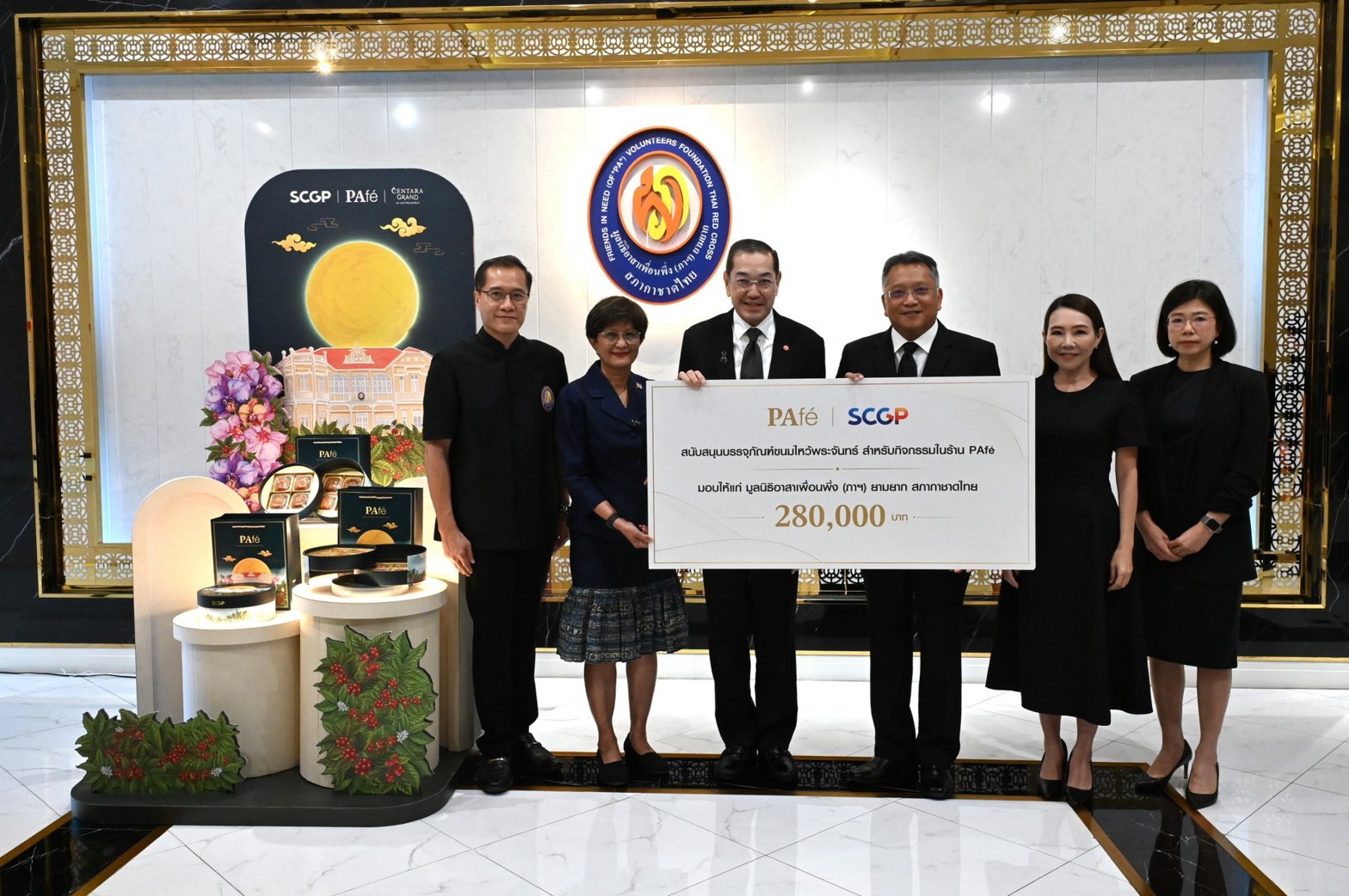
PAfé, Centara Grand at CentralWorld and SCGP invite everyone to share happiness and the spirit of giving this Mid-Autumn Festival Loading Data… Emeritus Dr. Surakiart Sathirathai, Vice Chairman of the Advisory Board, to act on behalf of the Chairman of the Friends in Need (of “PA”) Volunteers Foundation, Thai Red Cross, together with members of the Foundation’s Board, received mooncakes to be sold at PAfé. The mooncakes, valued at THB 240,000, were supported by Central Group and Centara Group and presented by Ms. Supatra Chirathivat, Director of Central Group Co., Ltd., together with Ms. Somkamol Chirathivat, Director of Corporate Relations and Corporate Image, Central Group Co., Ltd. SCG Packaging Public Company Limited (SCGP) also contributed mooncake packaging valued at THB 280,000. The packaging was presented by Mr. Ekaraj Niroj, Chief Marketing and Customer Officer of SCGP, together with the company’s executives, at the Mahindharadejanusorn Building, Friends in Need (of “PA”) Volunteers Foundation, Thai Red Cross. PAfé mooncakes are now available for purchase. Each box contains eight mooncakes (80 grams each), priced at THB 1,988, featuring six flavors: -Coffee with Macadamia — 2 pieces -Monthong Durian with Salted Egg Yolk — 2 pieces -Mixed Nuts with Salted Egg Yolk -Lotus Seed with Salted Egg Yolk -Chinese Jujube with Salted Egg Yolk -Black Sesame with Almond — a new flavour for health-conscious customers For more information or to place an advance order today, please contact (Mooncakes are available for collection throughout September.) 📌 LINE: @friendsofpashop 📌 Tel: 09-7971-0576 Proceeds from the sales will support the Friends in Need (of “PA”) Volunteers Foundation, Thai Red Cross, in providing comprehensive assistance to flood-affected communities and helping them achieve sustainable recovery Related Contents Loading Data…
KBank – SCGP reinforce three-year sustainability partnership at EARTH JUMP 2026 through collaboration on 100% recycled paper innovation to reduce single-use materials while creating benefits for society
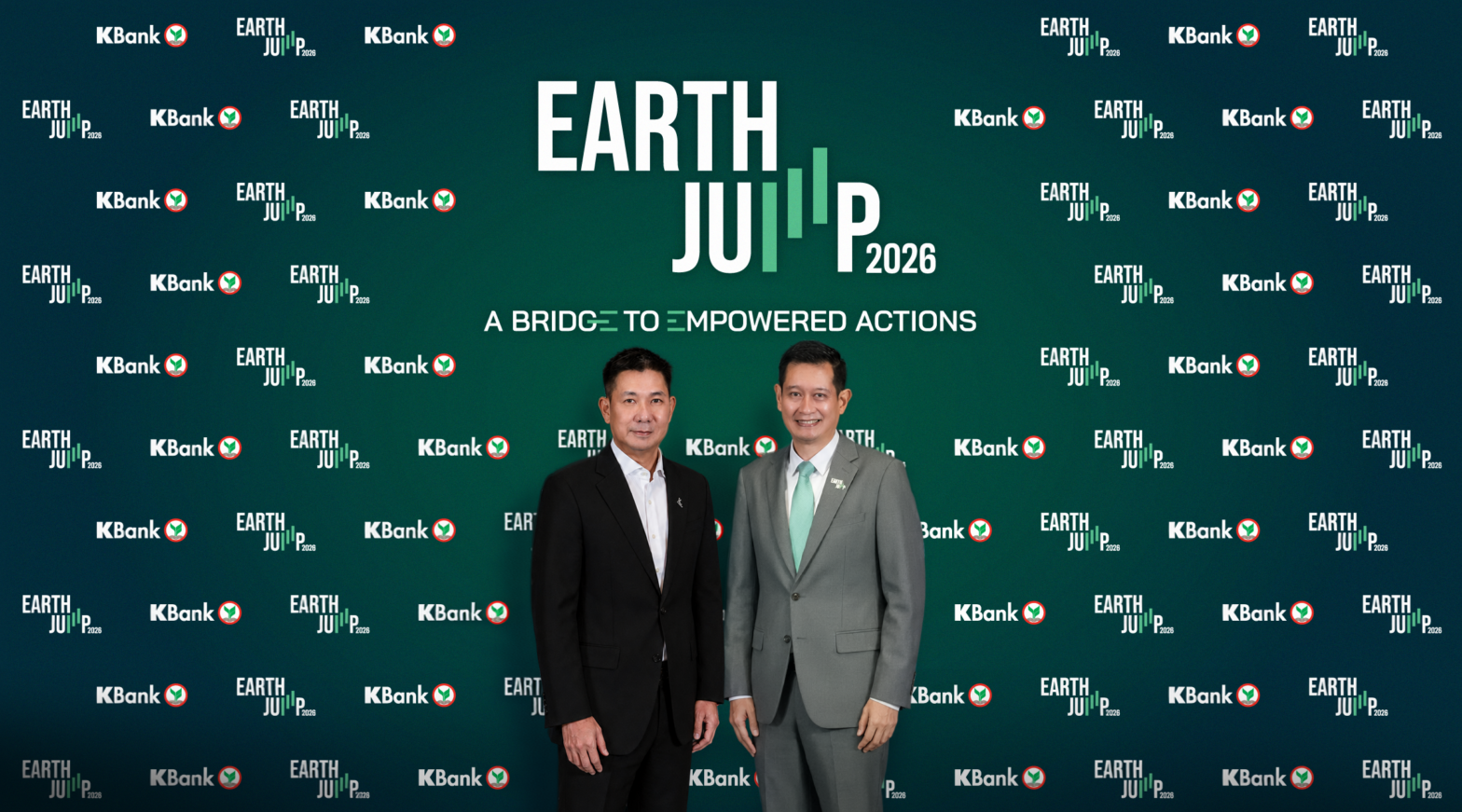
KBank – SCGP reinforce three-year sustainability partnership at EARTH JUMP 2026 through collaboration on 100% recycled paper innovation to reduce single-use materials while creating benefits for society Loading Data… KASIKORNBANK (KBank) and SCG Packaging Public Company Limited (SCGP) reinforce their three-year sustainability partnership at EARTH JUMP 2026 through collaboration on comprehensive management of exhibition materials. Under this initiative, the event’s booth structures and decorative equipment made entirely from 100-percent recycled paper were later reused and recycled under the circular economy principles to help reduce waste and maximize the value of resources. EARTH JUMP 2026 was held for two days, attracting more than 3,500 participants and featuring more than 80 speakers from the public sector, private sector, and SME community, who shared their expertise across two discussion stages. The event also featured 65 exhibitors showcasing carbon reduction solutions. KBank and SCGP collaborated to manage exhibition materials throughout the event lifecycle in accordance with Circular Economy principles. Booth structures and decorative elements made from 100% recycled paper were used across the exhibition, supported by a post-event resource management plan designed to minimize waste and extend the value of materials beyond the event itself. Following the event, booth structures and equipment that remained in good condition were donated to schools under the SCGP Low Carbon School project, where they will be repurposed into furniture and educational materials. Materials that could not be reused will be recycled and processed into new raw materials within SCGP’s system, in line with the Zero Waste approach and a commitment to maximizing resource efficiency at every stage of the process. Mr. Rungruang Sukkirdkijpiboon, KBank President, said that the third consecutive year of collaboration with SCGP reflects KBank’s commitment to integrating sustainability into every aspect of its operations. EARTH JUMP 2026 was not only a platform for sharing knowledge on sustainability, but also placed emphasis on minimizing the environmental impact of the event – from promoting travel by public transportation and reducing single-use waste to selecting materials that could be repurposed after the event. In addition, the Bank offset all greenhouse gas emissions from the event using carbon credits from a forest project under the Doi Tung Development Project by the Mae Fah Luang Foundation, as part of the Carbon Credit Tokenization Pilot Program. This initiative is the first of its kind in Thailand under the Bank of Thailand’s regulatory sandbox, with the aim of having the event certified as a Net Zero Event in accordance with the criteria of the Thailand Greenhouse Gas Management Organization (Public Organization). Mr. Danaidej Ketsuwan, Chief Financial Officer of SCG Packaging Public Company Limited (SCGP), stated that SCGP is delighted to partner with KBank in applying paper-based solutions to exhibition design by integrating creativity, functionality, and sustainability. This collaboration demonstrates that thoughtful design from the outset can simultaneously reduce environmental impacts and generate social benefits. After the event, booth structures and equipment that remained in good condition were donated by SCGP to schools participating in the SCGP Low Carbon School project – namely Wat Pho Rattanaram School, Wat Hub Krathing School, and Wat Ban Khong Noi (Tokulabthip Prachasan) School in Ratchaburi Province – to be repurposed as furniture and educational materials. Meanwhile, non-reusable materials will be sent through SCGP’s recycling process and transformed into new raw materials within the company’s system. This approach aligns with the Zero Waste concept and helps maximize resource utilization throughout the value chain. The collaboration between KBank and SCGP at EARTH JUMP 2026 showcases how sustainability principles can be translated into tangible actions, from material selection and resource management to the redistribution and circular use of resources after the event. By creating value for both the environment and society, this partnership also helps drive the transition towards a low-carbon economy in a concrete and meaningful way. Related Contents Loading Data…
SCGP Invests Baht 9,846 Million to Expand Plasterboard Liner Production Capacity Strengthening Competitive Advantage to Capture Growing Demand Across Regions Worldwide
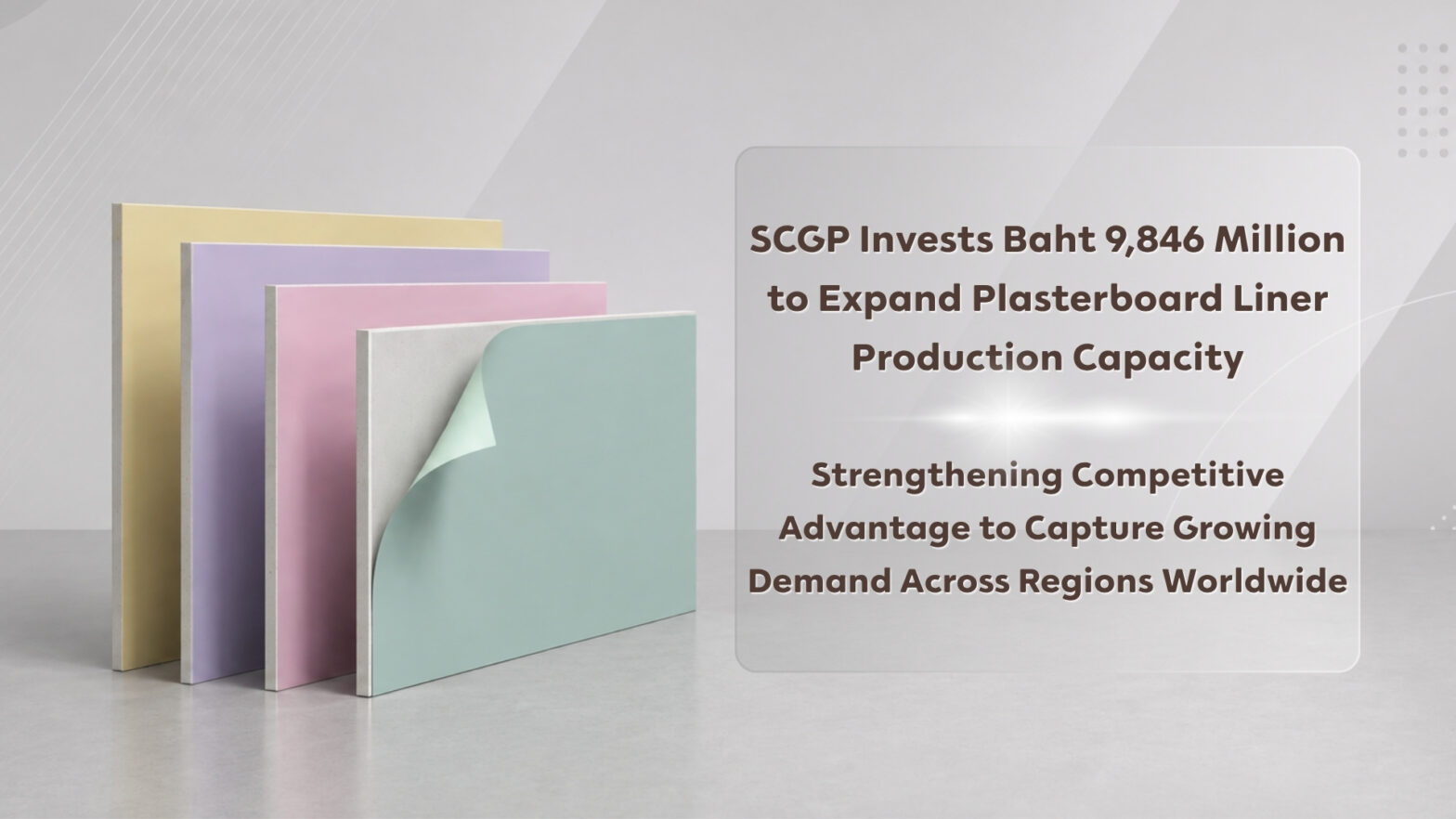
SCGP Invests Baht 9,846 Million to Expand Plasterboard Liner Production Capacity Strengthening Competitive Advantage to Capture Growing Demand Across Regions Worldwide Loading Data… SCGP continues to invest strategically by expanding plasterboard liner production capacity at the company’s facility in Thailand, with a total investment of Baht 9,846 million. The expansion will strengthen the company’s market leadership in high-value products, driving strategic growth with customers while meeting increasing demand across global markets. Mr. Wichan Jitpukdee, Chief Executive Officer of SCG Packaging Public Company Limited, or SCGP, said that SCGP recognizes the continued growth of the market and increasing demand for plasterboard liner, driven by the expansion of economic activities and the manufacturing sector. The company is therefore investing to expand its plasterboard liner production capacity by 400,000 tons per year at the facility of Siam Kraft Industry Co., Ltd., a subsidiary of SCGP, in Kanchanaburi Province. The total investment budget of Baht 9,846 million. Commercial operations are expected to commence in Q4/2028.The capacity expansion will enhance the company’s production capabilities, enabling it to capture growing demand for plasterboard liner. The production of this specialized paper requires advanced technology and a high level of manufacturing expertise, resulting in a limited number of qualified producers. Meanwhile, demand for lightweight construction materials continues to grow across regions worldwide. The company will install a state-of-the-art, highly flexible machine capable of switching between the production of plasterboard liner and premium linerboard. The additional capacity will support SCGP’s operations in Thailand and Vietnam, where the company is currently operating at full production capacity. This flexibility will enable SCGP to manage its product mix in line with market conditions and maximize asset utilization.This investment will mark another important step in maintaining the company’s market-leading position, enhancing its business growth potential and strengthening the competitive advantage, elevating service levels, and supporting sustainable strategic growth together with customers. At the same time, SCGP will continue to pursue growth and capture opportunities through mergers and partnerships (M&P) to strengthen its capabilities and continuously expand its business operations across the region. News Release Download Related Contents Loading Data…
SCGP Shares Circular Economy Perspectives at UN Global Compact’s Asia-Pacific Regional Forum
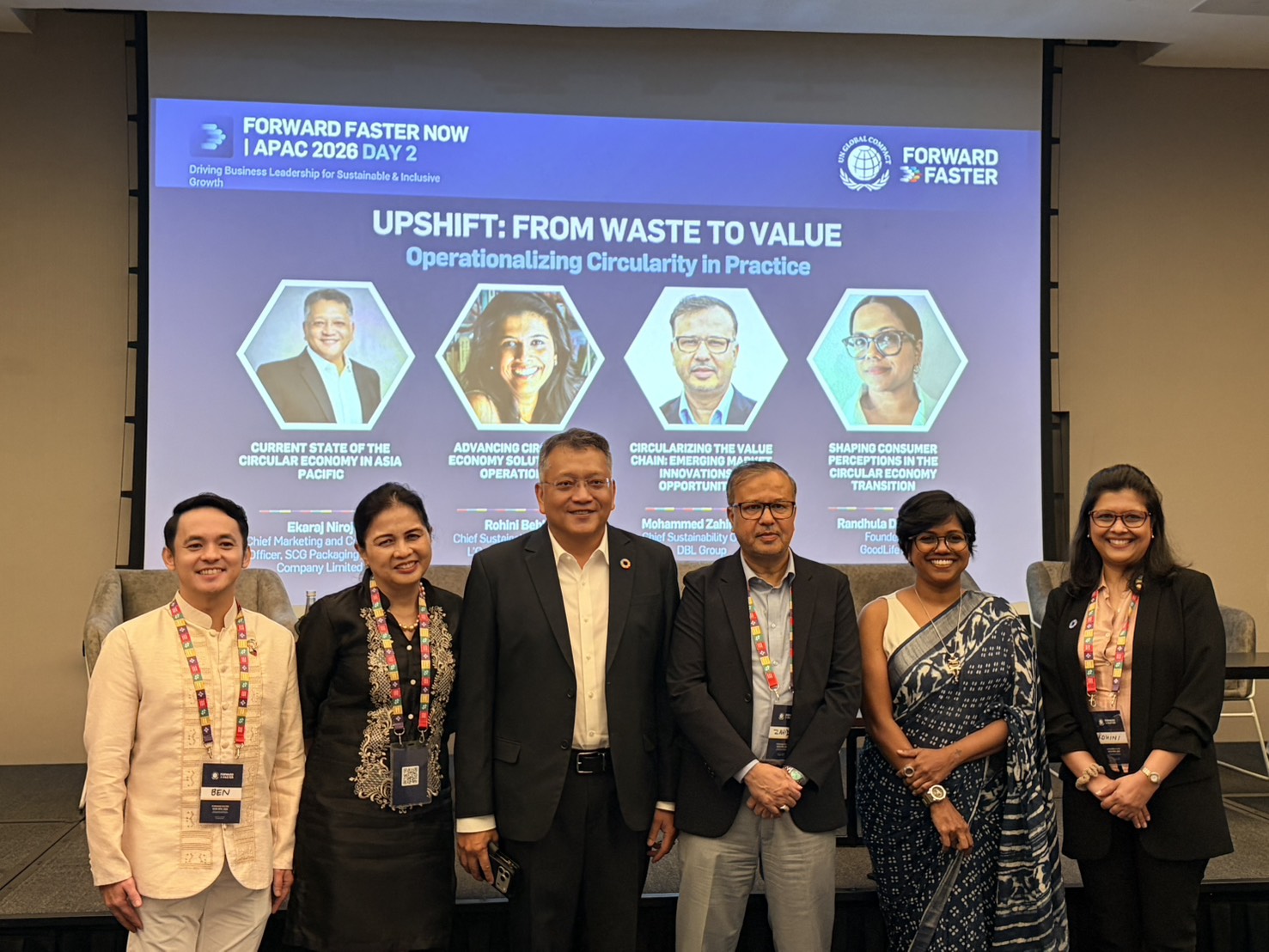
SCGP Shares Circular Economy Perspectives at UN Global Compact’s Asia-Pacific Regional Forum Loading Data… SCGP, represented by Mr. Ekaraj Niroj, Chief Marketing and Customer Officer, participated in FORWARD FASTER NOW | APAC 2026 by UN GLOBAL COMPACT, organized by the United Nations Global Compact in collaboration with Global Compact Country Networks across the Asia-Pacific region. The event was held from 11–12 August 2026 in Colombo, Sri Lanka.During the event, Mr. Ekaraj joined the session “UPSHIFT From Waste to Value: Operationalizing Circularity in Practice”, sharing perspectives on “Current State of the Circular Economy in Asia Pacific.” The presentation highlighted emerging trends and opportunities for the Circular Economy across the region, as well as the role of businesses in advancing circularity throughout the value chain. SCGP shared its approaches to enhancing packaging recyclability and material innovation, along with examples of collaboration with customers to develop solutions based on Circular Economy principles. The session also addressed evolving sustainability policies and regulations, including Extended Producer Responsibility (EPR) and the Packaging and Packaging Waste Regulation (PPWR), which are accelerating the packaging industry’s transition toward greater circularity and sustainability. FORWARD FASTER NOW | APAC 2026 is a regional flagship event of the UN Global Compact, bringing together senior executives and decision-makers from the private and public sectors, sustainability experts, and Global Compact Country Networks from across Asia-Pacific. The event provides a platform to exchange perspectives and accelerate sustainability action from ambition to tangible implementation, while fostering cross-sector collaboration to address regional challenges and unlock new opportunities.SCGP’s participation in the event provided an opportunity to share its experience and practical approaches to applying circular economy principles in business, while connecting and exchanging knowledge with sustainability networks across the region. This engagement supports the development of packaging solutions that create value for businesses, society, and the environment, while fostering collaboration to advance circularity across the value chain. Related Contents Loading Data…
Design Speak Out 2026: Empowering Vietnam’s Next Generation of Packaging and Product Design Talent
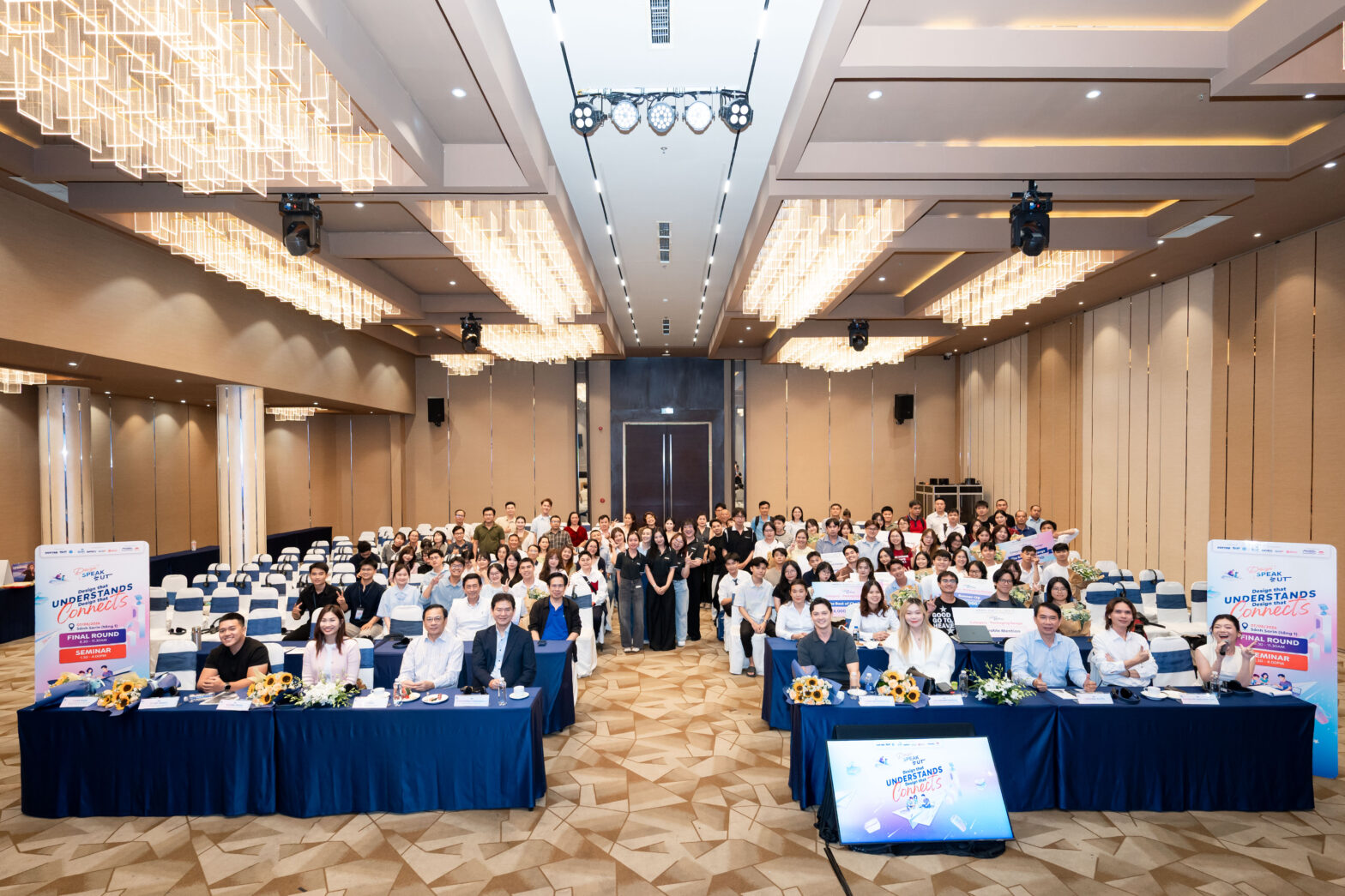
Design Speak Out 2026: Empowering Vietnam’s Next Generation of Packaging and Product Design Talent Loading Data… Ho Chi Minh City, August 12, 2026 – Starprint, member of SCGP, a provider of sustainable printing and packaging solutions, and Duy Tan, member of SCGP, a 40-year experience of rigid packaging and household provider in Vietnam, in collaboration with The Student Culture House In Ho Chi Minh City and Mondelez Kinh Do, successfully organized Design Speak Out 2026, offering a total prize of VND 104 million. Outperforming numerous outstanding submissions, this year’s first prizes were awarded to Team ReFold in the Packaging Design category and Team Bupbindi in the Product Design category. Both teams impressed the judging panel with innovative, highly practical design solutions that effectively address modern consumer needs. Alongside the competition, the two SCGP member companies also organized a seminar on the Packaging and Design industry for partners, businesses, and university students. The seminar aimed to advance design knowledge and strengthen industry collaboration by bringing together insights on consumer trends, marketing, and design. It highlighted the importance of integrating these perspectives to create solutions that truly resonate with people.Building on the success of Packaging Speak Out, the competition embarked on a new chapter in 2026 as Design Speak Out, reflecting its expanded vision beyond packaging design to the broader world of product design, and providing participants with a more comprehensive perspective on the design industry. Under the theme “Design that Understands – Design that Connects,” the program encourages students to adopt a user-centric mindset, combining creativity with market understanding to develop practical solutions that strengthen connections between brands and consumers. Guided by this vision, Design Speak Out 2026 expanded its competition categories to include: • Category 1: Packaging Design (Kinh Do Mooncake Giftset Packaging) • Category 2: Product Design (Plastic Food Container for the MATSU brand by Duy Tan) To enrich participants’ learning experience, the program also featured a series of capability-building activities, including a bootcamp, mentoring sessions with industry experts, and a seminar. These activities brought together experts from Starprint and Duy Tan (both members of SCGP), as well as Mondelez Kinh Do, to share practical insights into consumer trends, marketing, design, and product development. Through these experiences, participants gained valuable exposure to professional design practice, strengthened their design capabilities, and developed a deeper understanding of how creative ideas can be translated into solutions that address evolving market needs. In the Product Design category (MATSU Plastic Food Container), Team Bupbindi won over the judging panel with their project, ECOFOLD, thanks to its practical solution that effectively addresses both market demands and user needs. In the Mooncake Gift Box Packaging Design category (Mooncake Gift Box), Team ReFold impressed the judges with their project, Kham Nguyet presenting a solution that is both innovative and aesthetically pleasing, as well as practical and feasible. Mr. Ekarach Sinnarong – General Director, Starprint, member of SCGP, shared: “Vietnam is home to a young workforce with tremendous potential, creativity, and a strong ability to adapt to evolving market trends. Through real-world design projects developed with industry partners, students are able to apply their creativity to address actual business and consumer needs. By doing so, Starprint aims to help bridge the gap between academic learning and industry practice, contributing to the development of high-quality talent for the future of the design industry while fostering innovation in Vietnam.”Mr. Chamornwut Tamnarnchit – General Director, Duy Tan member of SCGP, stated: “Expanding the competition into Design Speak Out this year marks an important step in providing students with a more comprehensive understanding of the design industry, spanning both packaging and product design through real-world challenges closely aligned with business and consumer needs. With the introduction of the new Product Design category this year, students have the opportunity to experience a more practical and multidimensional design journey. Participants are encouraged to combine creative thinking with considerations related to manufacturing, operations, and product commercialization. Duy Tan is proud to support the program in its efforts to drive innovation and promote sustainable development within the industry.”Held from May to August 2026, Design Speak Out 2026 attracted nearly 100 students from universities across Vietnam. Following a series of training programs, expert mentoring sessions, and multiple evaluation rounds conducted by the judging panel, the competition successfully identified the most outstanding teams in each category.In the Mooncake Gift Box Packaging Design category, Team ReFold impressed the judging panel with Kham Nguyet project, a design inspired by the intricate traditional art of mother-of-pearl inlay, blended with the distinctive architecture of Vietnamese communal house roofs under the blue hues of a full-moon night. A key highlight of the design is its Interactive Packaging, with a box structure that can be transformed into an O An Quan board game, extending the packaging’s value beyond its initial use and creating a fun family activity. The packaging also incorporates AR technology, allowing users to scan a QR Code and instantly access AR content without downloading an app, creating greater brand engagement and bringing the brand story to life.Meanwhile, in the MATSU Food Storage Container Product Design category, Team Bupbindi also made a distinctive impression with their ECOFOLD project, which combines Vietnamese cultural identity with practical functionality. The design captures the charm of Vietnam’s three regions through its color palettes and product concepts, highlighting cultural value while creating a distinctive identity. Its space-saving collapsible structure allows for adjustable height and easy storage, while food-grade materials, refrigerator and microwave compatibility, leak-proof lids, silicone handles, and steam-release valves ensure convenience, safety, and ease of use in everyday life.Ms. Nguyen Thi Ngoc Lien, Corporate & Government Affairs Lead at Mondelez Kinh Do, shared: “Three years of partnering with Design Speak Out have shown us one thing clearly: Vietnam’s young generation of designers is not only highly creative but also demonstrates a deep understanding of consumers. This is the foundation for creating designs that truly resonate with consumers. For Mondelez Kinh Do, mooncake packaging is a platform to tell cultural stories, convey the emotions of togetherness, …
Tao Bin Everyday Drink for Everyone
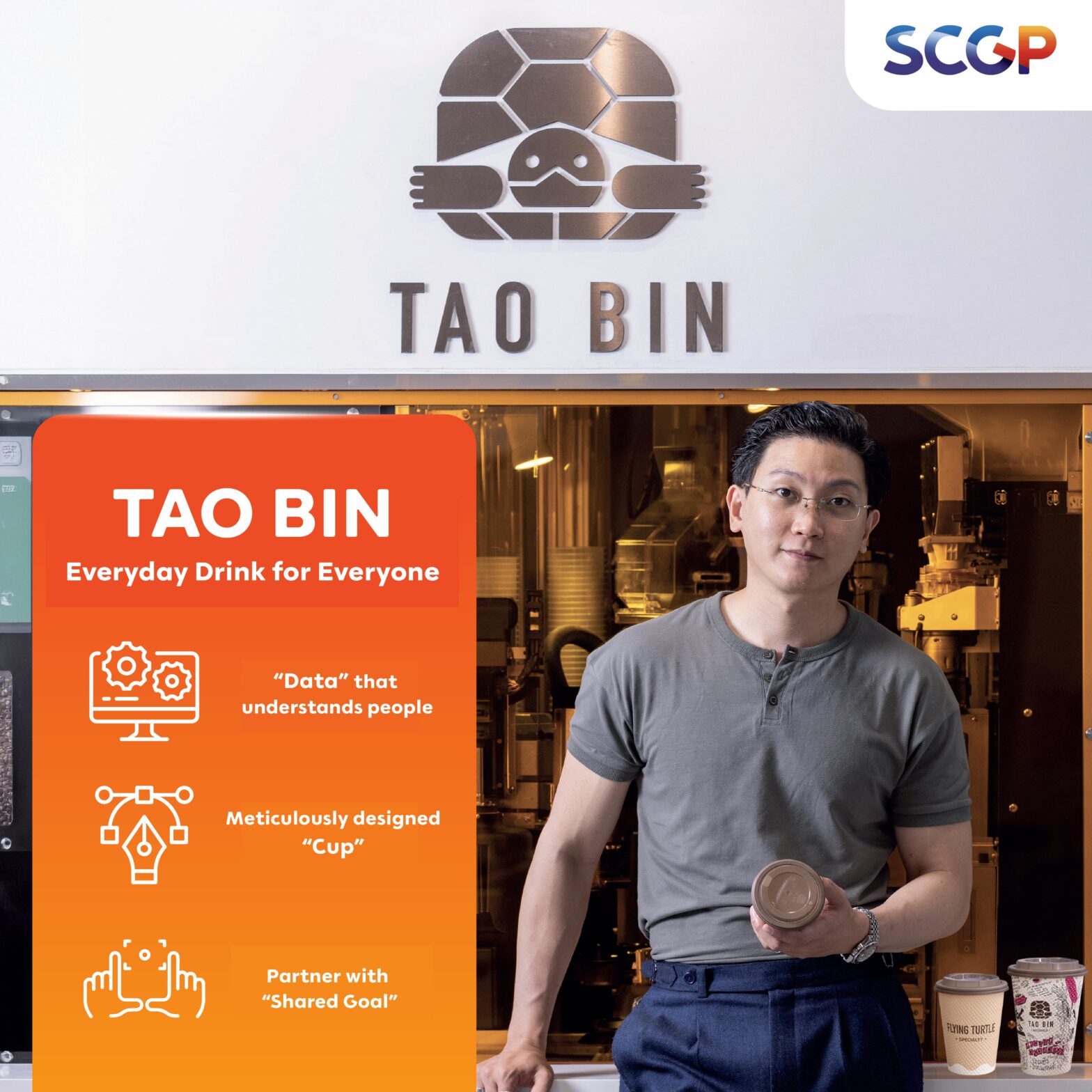
Spotlight Tao Bin Everyday Drink for Everyone Loading Data… From a few vending machines on day one, “Tao Bin” has grown into an automated café network with over 8,000 kiosks across 60 provinces and 10 countries. Yet, its biggest pride isn’t its growth metrics or the hundreds of thousands of cups it sells daily, but becoming a “part” of people’s everyday lives. Rooted in a blend of hardware and software expertise, Tao Bin is designed as an automated café for modern lifestyles with technology, consumer insights, and continuous innovation as its driving force. Mr. Anupat Pisitpokin, Chief Marketing Officer of Forth Vending Company Limited (Tao Bin), is with us today to share the concepts behind Tao Bin’s success. Tao Bin in Everyday Life Guided by its aspiration “to be everyone’s everyday café” Tao Bin has a clear brand positioning. It aims to be the daily choice people embrace—during mornings before work, during the day, or whenever they want a good drink. Ultimately, what Tao Bin sells isn’t just beverages, but convenience seamlessly integrated into every moment of the day. Today, Tao Bin vending machines are omnipresent at condos, office buildings, schools, hotels, airports, and more, truly becoming everyone’s “rhythm of life.” “We don’t intend to be a drink just for special occasions. We want to be a small convenience in your daily life. On rushed days, tiring days, or days when you just want a great drink, simply press a button, and it’s ready in minutes,” Mr. Anupat said. “Data” That Understands People, Not Just Sales At Tao Bin, data from every order is analyzed and leveraged to deliver great consumer experiences—from ensuring machine readiness and ingredient availability to developing menus and marketing campaigns that match actual behaviors. “Every purchase at Tao Bin is made through a digital system. So, we know when customers buy, which drinks they prefer, and how often they use our service. With these insights, we don’t just know sales figures but also deeply understand customer behaviors. We therefore are able to develop increasingly better personalized experiences for each customer.” Furthermore, Tao Bin uses such data to strengthen customer engagement. Through map.tao-bin.com, customers can check each machine’s status and ingredient availability in real time before heading out, making it easier to choose a nearby kiosk and enjoy a smoother, data-driven experience. Meticulously Designed “Cup” Beyond data and technology, Tao Bin pays exceptional attention to the “cup,” a key component of every purchased item. Today, Tao Bin serves nearly 200,000 drinks a day with an error rate of just 0.3%. While this percentage is very low, Tao Bin takes it seriously. In a fully automated system with no staff on-site to assist customers immediately, every service failure represents a disappointing experience. But at the same time, it is an opportunity to improve. With its machines making great drinks, Tao Bin seeks to minimize customer issues. It is important to eliminate upfront customers’ pain points—especially those related to “cups” as much as possible, given that there is no staff on standby around the vending machines to immediately fix errors. The cup is a critical part of the entire system. Every detail—from its angle, thickness, strength, and heat resistance to the way it is stacked inside the machine—must be precise to the tune of “millimeter” for the cup to work seamlessly with the dispensing mechanism. Even the slightest deviation can disrupt the entire process and immediately affect customer experience. Partner with “Shared Goal” “To me, imperfection is normal in development process. What matters is having a partner ready to learn and solve problems together,” Mr. Anupat said. Tao Bin has chosen SCGP as its partner because this company has provided quality products and worked with the same approach—readiness to dive into details and collaboratively find the best solutions. One clear example was the development of cups for a new-generation machine designed to accommodate two cup sizes in a single unit. Achieving the right fit required multiple adjustments to the cup’s dimensions, angles, and structure. Through continuous collaboration and improvement, Tao Bin has finally got the cups that not only support its machine’s performance but also satisfy customers. While satisfied with today’s results, Tao Bin and SCGP always seek ways to improve, as every problem is an opportunity to do better. From Success to Success Aware of constantly changing consumer behaviors, Tao Bin prioritizes developing diverse menus and new monthly campaigns. “We want Tao Bin to be a space for discovery. Whether customers already have a favorite or are looking for something new, there’s always a reason to return for something interesting,” Mr. Anupat said. Behind a cup that takes just minutes to dispense is the synergy of technology, data, engineering, packaging, and people who never stop improving. For Tao Bin, success isn’t measured by the number of cups sold, but by making every cup an experience that “customers can trust every day.” News Release ดาวน์โหลด เนื้อหาที่เกี่ยวข้อง Loading Data…