
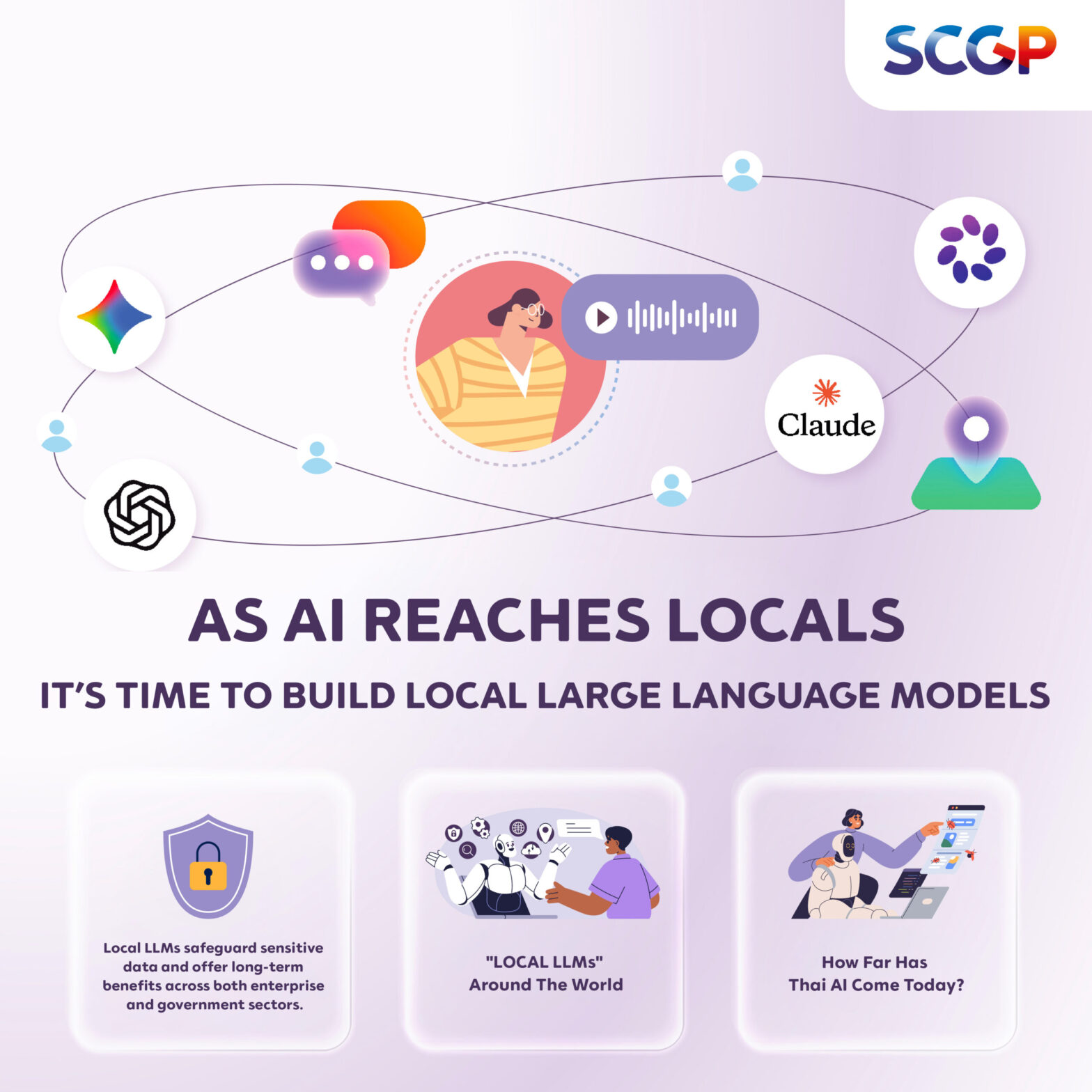
Spotlight As AI Reaches Locals, It’s Time to Build Local Large Language Models Loading Data… Have you ever noticed that, no matter how advanced leading generative AI platforms such as ChatGPT, Gemini, Claude, and Meta AI become, their responses are still sometimes inaccurate? This problem is found more often in countries where English is not the primary language. Behind large language models (LLMs) are “brains” trained based on English-language data. They therefore tend to interpret the world through their developers’ Western lens. Given that their responses may lack cultural nuance, contextual understanding, and sensitivity to diverse identities, many countries have now developed their own language models. Why are Local LLMs Better? Beyond offering more natural language capabilities and a deeper understanding of diverse social and cultural contexts, another key reason for so many countries to urgently develop their local large language models (Local LLMs) is to lay the foundation for a stable and sustainable AI ecosystem — one that reduces dependence on external providers and allows nations to steer technological development in line with their own ethics and values. Local LLMs also help preserve local knowledge, cultural heritage, and wisdom while lowering operational costs, improving stability through domestic server infrastructure, and safeguarding sensitive data from external exposure. Their flexibility and adaptability make them particularly valuable for long-term applications across both enterprise and government sectors. “LOCAL LLMs” Around The World Today, local LLMs are being developed in various forms to serve different objectives — from enhancing AI capabilities within specific countries to expanding accessibility across entire regions. India – BharatGen and Sarvam AI, LLMs currently under development, are designed to support more than 20 local languages for Indian users specifically. Korea – HyperCLOVA X is an LLM built especially for the Korean language and cultural context. Africa – N-ATLAS S is trained to support several major Nigerian languages, namely Yoruba, Hausa, Igbo, and Pidgin. China – Deepseek LLM is an LLM developed for Chinese-language context, capable of handling both Mandarin syntax and classical Chinese texts. It has now gained recognition as one of the world’s leading AI models. Southeast Asia – SeaLLMs (Southeast Asian Large Language Models) supports nine Southeast Asian languages, helping reduce language barriers and broaden Southeast Asian users’ access to advanced technology. How Far Has Thai AI Come Today? Several LLMs focused on Thai language and context have now been developed by both public and private sectors. Each offers distinct strengths tailored to different applications, including: PathummaLLM by the National Electronics and Computer Technology Center (NECTEC) and Ministry of Higher Education, Science, Research and Innovation stands out for its solid understanding of Thai context, official language, academic research, and document processing. Typhoon by SCBX is an open-source LLM designed for business sector. Several versions of Typhoon have already been introduced, including Typhoon 2.5, the latest model capable of seamless integration with agentic workflows while delivering high performance at relatively low cost. Another version, Typhoon Isan, focuses on developing an AI model for the Isan dialect, aiming to preserve cultural heritage alongside future digital and economic development. THaLLE by KBTG specializes in Thai language and finance. It became the first Thai LLM to pass the CFA Level II examination, an internationally recognized assessment in finance and investment knowledge. When it comes to AI adoption, the focus is no longer about technological competition but practical application. The best model is not always the smartest, but the one that offers the best understanding, cost-effectiveness, and efficiency in solving real-world problems and is ready to deliver tangible, sustainable results. News Release ดาวน์โหลด เนื้อหาที่เกี่ยวข้อง Loading Data…
Tag Archives: spotlight
SEIZE OPPORTUNITIES & EMBRACE GLOBAL CHALLENGES
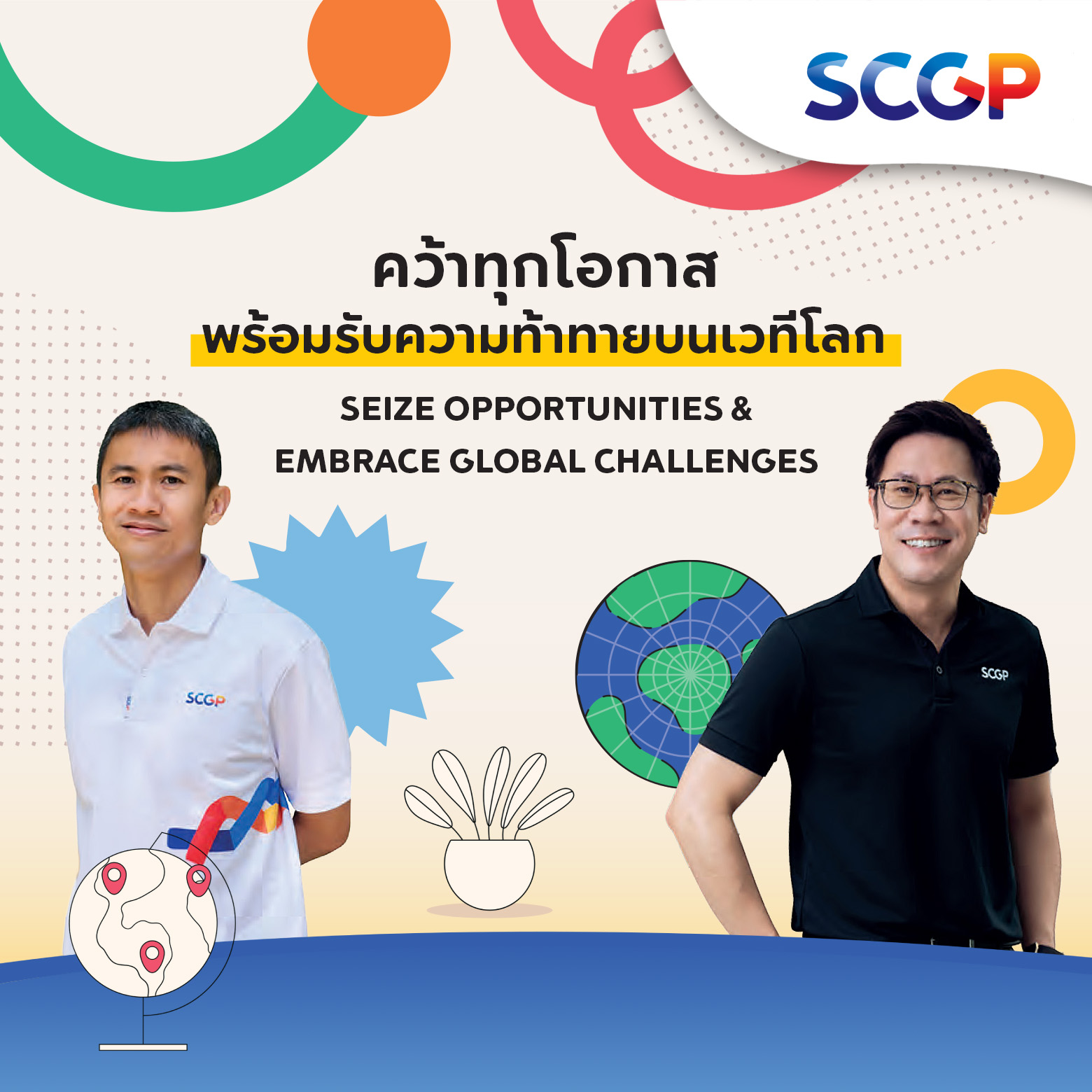
Spotlight SEIZE OPPORTUNITIES & EMBRACE GLOBAL CHALLENGES Loading Data… In the face of borderless business competition, SCGP has continuously expanded its businesses at the ASEAN and global levels. Behind this remarkable expansion is its and its staff’s readiness to grab opportunities and take on new challenges. Today, two SCGP employees share their growth journeys after being rotated overseas, adjusting to new work environments, and learning lessons from multicultural workplaces. “After SCGP successfully completed its M&P deal with Peute in the Netherlands during 2022, my seniors gave me the opportunity to serve as the finance director there. My stint there lasted about three years. Moving to Europe was quite a challenge. I needed to make many adjustments, especially in terms of work styles. It also took time to learn about my new job responsibilities and foster mutual understanding. In Europe, everyone makes straightforward comments, regardless of hierarchy, without sugarcoating at all. If you beat around the bush, others would think you are insincere or wasting their time “I faced many challenges there. After the COVID-19 lockdown started to ease, packaging demand dropped. Then, the Russia-Ukraine conflict began, triggering an energy crisis across Europe. The Red Sea crisis followed, raising freight costs. These challenges required us to adjust our strategy constantly to pull through. Now, I am proud that our European team has now recognized that SCGP is very professional in business management. “I have a passion for learning new things. I believe I should equip myself with the skills and mindset that give me agility and mobility. I am always ready to jump into a new field, because I don’t think I must have the best preparations prior to the jump. If SCGP’s management gives me a new opportunity, that means they see my potential and readiness. So, I should be fit to make the move. Today, SCGP is a global partner. So, be prepared because there are opportunities to shine beyond the ASEAN region.” Niti Saengchomphu Plant Manager, Thai Containers Group Co., Ltd (Navanakorn Plant)* “I am assigned to oversee Operations in Italy, where knowledge and new technologies must be exchanged for the medical supplies business. I am also in charge of managing the transition to ensure seamless collaboration among staff in two countries, as well as recruiting local talent as my successor. “A major challenge is working with the Italian partner, who had long managed his company singlehandedly. Through my gradual efforts, both of us have adjusted our styles. I have learnt to accept some limitations and to place trust in my team. Our staff should be allowed to work based on their expertise. If some mistakes occur, face them and be understanding. Just do your best and solve problems together. This way, we learn more and more. “Living abroad is an extraordinary experience that isn’t easily handed to you. Within every challenge, there are always new opportunities. Once you overcome hurdles and look back, you feel a deep sense of pride. It is an invaluable experience you cannot find anywhere else.” Totsatit Artorn Thammarat Manager (Deputy Managing Director-Bicappa Lab S.r.L) *Position as of July 2026 News Release ดาวน์โหลด เนื้อหาที่เกี่ยวข้อง Loading Data…
AI: From Tool to “Team” Taking AI in Business to the Next Level
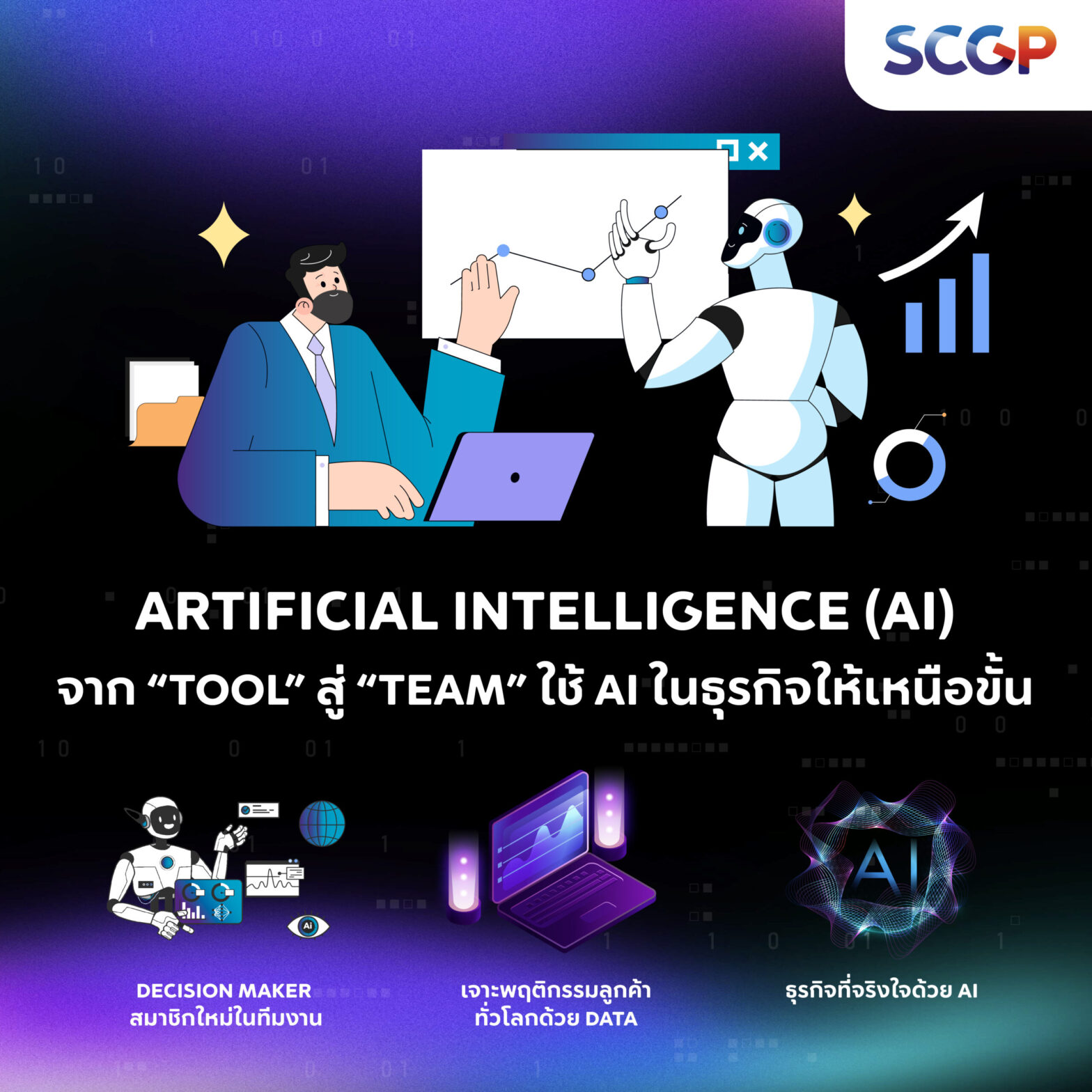
Spotlight AI: From Tool to “Team” Taking AI in Business to the Next Level Loading Data… In the past, marketers often segmented customers by age, gender, or geography. But today, the marketing world does not stick with the traditional “segmentation” anymore. The major challenge for global brands, as a result, is no longer about producing as much content as possible. Every competitor, after all, now has equal access to technology and can generate content just as swiftly. In this volume, Asst. Prof. Dr. Ake Pattaratanakun shares his perspective on how global brands can truly differentiate themselves in an era when virtually every brand can use Artificial Intelligence (AI) to create similar levels of content. Decision Maker is Newest Team Member Modern marketing must delve deep into insights. Executives need to realize that the value of content is now depreciating at a rapid pace, because General Generative AI possesses advanced capabilities in language, data depth, and storytelling—to the extent that it can write insightful articles or even craft dramatic narratives that emotionally engage people. In all, content alone is no longer the ultimate metric of superiority. In the near future, the key focus will lie in Decision Making. Content creation requires someone to set the direction: what should be done, what needs adjusting, and when to communicate. In this regard, Agentic AI can function like a “team member” who helps brainstorm, make decisions, and generate the right content. It knows the proper timing, the right methods, and what should or shouldn’t be executed. Clearly, AI has been evolving from a tool to a strategic partner that can even help prevent high-risk decisions. Decoding Global Customer Behavior with Data AI’s smart decision-making is now integrated into not just marketing but also upstream production processes—from selecting raw materials to commanding machinery on the assembly line. For instance, at the Mercedes-Benz factory in Stuttgart, Germany, human operators input commands for the AI system to analyze which models, colors, or specifications should be produced and in what order to maximize the efficiency. In the future, AI might even assess customer importance, order frequency, and likelihood of repeat purchases to prioritize production schedules accordingly. On a global scale, AI Agents will increasingly serve as Cultural Intelligence Partners, analyzing cultural differences and location-specific consumer behaviors in real time. Brands indeed cannot rely on just a one-message-fits-all approach any longer. Gone are the days when it was fine to deliver the same message to every market. Today, the concept of “space” no longer refers solely to the physical world but the Phygital world, whereby cultures are blended together. Aside, a single customer might adopt multiple personas across different platforms. For example, they might be a “foodie” on Instagram, while exhibiting entirely different behaviors on TikTok or Roblox. While humans may not understand customers at this granular level, AI Agents can seamlessly connect data across multiple platforms for insights. Even if a customer uses various accounts or presents multiple identities, interconnected backend systems enable brands to find out their true identity, authentic behaviors, and specific interests within each respective space. AI-Powered Business with Integrity However, integrating AI into an organization inevitably comes with two major risks. Businesses therefore need to: Carefully Assess the Cost of AI Current AI pricing may not reflect its long-term cost. Many AI providers are still willing to operate at a loss in order to expand market share. As businesses become increasingly dependent on AI, costs may rise unexpectedly in the future. As labor costs in Thailand are not very high, human staff can be more cost-effective than AI in some job fields. Therefore, it is necessary that marketers pay attention to both cost management and human resources management. Use AI with Good Governance As AI can understand a customer’s identity across multiple dimensions, brands must be careful not only about data inaccuracies but also about violating customer trust. Businesses must not feed customers’ personal data to AI for learning without their consent. Currently, companies are held accountable for any damage caused by their AI usage. ‘4 Strategies’ To Stand Out As the world becomes increasingly driven by massive amounts of data, marketers must learn to prompt and test to stay ahead of competitors. The 4 strategies provide practical guidelines: Simulate Use AI as a customer representative for each target group, much like a Digital Twin. For example, before presenting a project to executives, we can feed the slides to an AI for a preliminary review. If the AI is well-trained, it can tell which slide format a specific executive will like and determine which slides should come first or last. This allows us to efficiently test and refine their work. Execute AI has already started conducting and closing sales on its own. In some foreign countries, Smart Speakers connected Alexa are at home chatting with homeowners and recommending new products. It can really boost sales in a tangible manner without direct human help. Select AI can help select the right message and the ideal price for each individual customer. It does not have to be the cheapest price, but rather the most appropriate and appealing one, enabling highly personalized communication across every platform. Play AI represents brands in greeting, communicating, and interacting with customers in daily life across various touchpoints, subtly fostering relationships between brands and consumers. All these components reflect that marketers need to adjust their mindset for better AI usage, which can be done under the SSEP Strategy. Do not consider AI as just a tool for producing posters, composing songs, or editing clips because AI can effectively support differentiation. The bottom line is that we must always use both AI and HI (Human Intelligence) side-by-side. There are still many areas where AI cannot replace humans, particularly when it comes to humor, deep contextual understanding, and the human spirit. If a business stays true to its core and maintains a team that accurately learns, commands, and keeps AI in check, the combination of AI and HI will undoubtedly …
Continue reading “AI: From Tool to “Team” Taking AI in Business to the Next Level”
Tao Bin Everyday Drink for Everyone
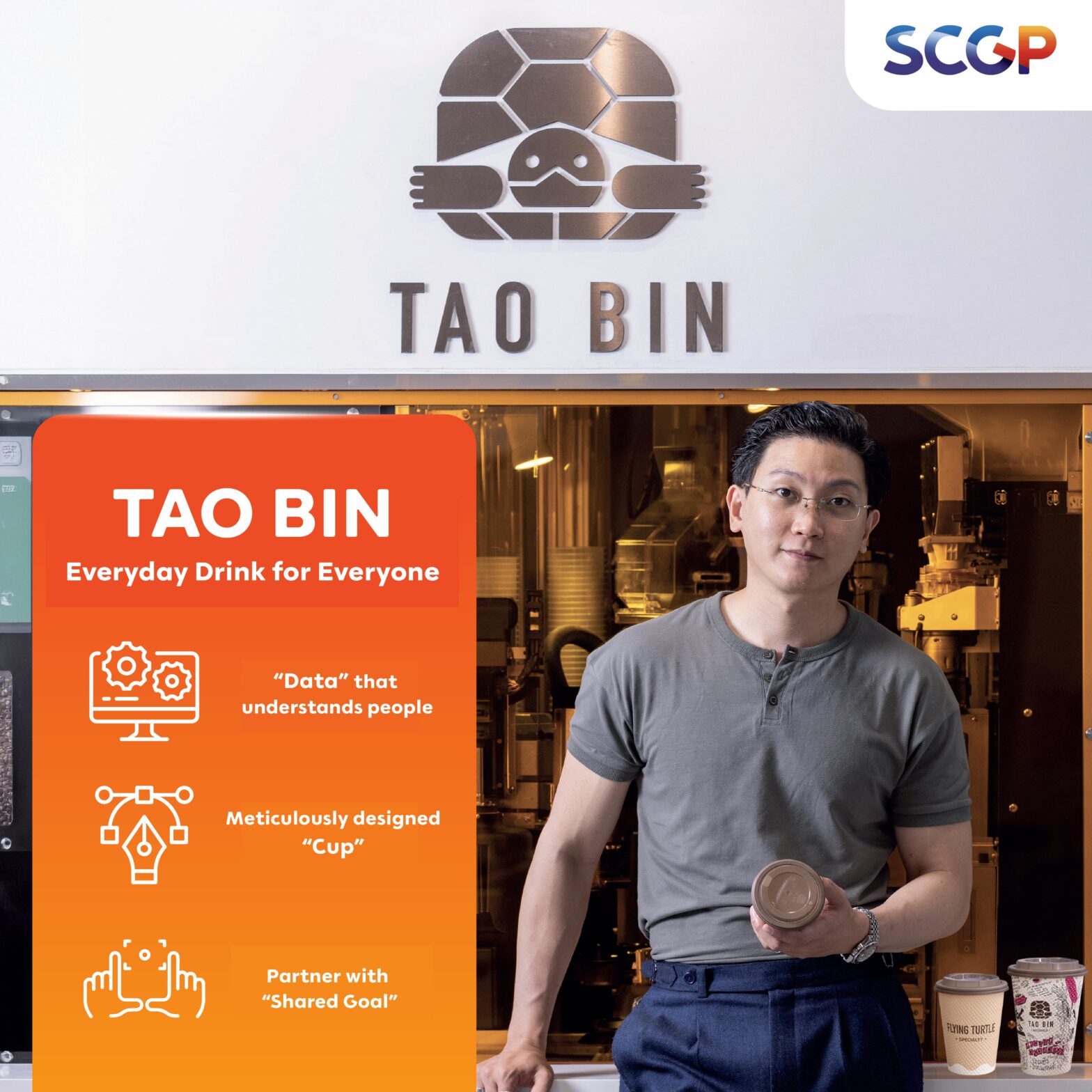
Spotlight Tao Bin Everyday Drink for Everyone Loading Data… From a few vending machines on day one, “Tao Bin” has grown into an automated café network with over 8,000 kiosks across 60 provinces and 10 countries. Yet, its biggest pride isn’t its growth metrics or the hundreds of thousands of cups it sells daily, but becoming a “part” of people’s everyday lives. Rooted in a blend of hardware and software expertise, Tao Bin is designed as an automated café for modern lifestyles with technology, consumer insights, and continuous innovation as its driving force. Mr. Anupat Pisitpokin, Chief Marketing Officer of Forth Vending Company Limited (Tao Bin), is with us today to share the concepts behind Tao Bin’s success. Tao Bin in Everyday Life Guided by its aspiration “to be everyone’s everyday café” Tao Bin has a clear brand positioning. It aims to be the daily choice people embrace—during mornings before work, during the day, or whenever they want a good drink. Ultimately, what Tao Bin sells isn’t just beverages, but convenience seamlessly integrated into every moment of the day. Today, Tao Bin vending machines are omnipresent at condos, office buildings, schools, hotels, airports, and more, truly becoming everyone’s “rhythm of life.” “We don’t intend to be a drink just for special occasions. We want to be a small convenience in your daily life. On rushed days, tiring days, or days when you just want a great drink, simply press a button, and it’s ready in minutes,” Mr. Anupat said. “Data” That Understands People, Not Just Sales At Tao Bin, data from every order is analyzed and leveraged to deliver great consumer experiences—from ensuring machine readiness and ingredient availability to developing menus and marketing campaigns that match actual behaviors. “Every purchase at Tao Bin is made through a digital system. So, we know when customers buy, which drinks they prefer, and how often they use our service. With these insights, we don’t just know sales figures but also deeply understand customer behaviors. We therefore are able to develop increasingly better personalized experiences for each customer.” Furthermore, Tao Bin uses such data to strengthen customer engagement. Through map.tao-bin.com, customers can check each machine’s status and ingredient availability in real time before heading out, making it easier to choose a nearby kiosk and enjoy a smoother, data-driven experience. Meticulously Designed “Cup” Beyond data and technology, Tao Bin pays exceptional attention to the “cup,” a key component of every purchased item. Today, Tao Bin serves nearly 200,000 drinks a day with an error rate of just 0.3%. While this percentage is very low, Tao Bin takes it seriously. In a fully automated system with no staff on-site to assist customers immediately, every service failure represents a disappointing experience. But at the same time, it is an opportunity to improve. With its machines making great drinks, Tao Bin seeks to minimize customer issues. It is important to eliminate upfront customers’ pain points—especially those related to “cups” as much as possible, given that there is no staff on standby around the vending machines to immediately fix errors. The cup is a critical part of the entire system. Every detail—from its angle, thickness, strength, and heat resistance to the way it is stacked inside the machine—must be precise to the tune of “millimeter” for the cup to work seamlessly with the dispensing mechanism. Even the slightest deviation can disrupt the entire process and immediately affect customer experience. Partner with “Shared Goal” “To me, imperfection is normal in development process. What matters is having a partner ready to learn and solve problems together,” Mr. Anupat said. Tao Bin has chosen SCGP as its partner because this company has provided quality products and worked with the same approach—readiness to dive into details and collaboratively find the best solutions. One clear example was the development of cups for a new-generation machine designed to accommodate two cup sizes in a single unit. Achieving the right fit required multiple adjustments to the cup’s dimensions, angles, and structure. Through continuous collaboration and improvement, Tao Bin has finally got the cups that not only support its machine’s performance but also satisfy customers. While satisfied with today’s results, Tao Bin and SCGP always seek ways to improve, as every problem is an opportunity to do better. From Success to Success Aware of constantly changing consumer behaviors, Tao Bin prioritizes developing diverse menus and new monthly campaigns. “We want Tao Bin to be a space for discovery. Whether customers already have a favorite or are looking for something new, there’s always a reason to return for something interesting,” Mr. Anupat said. Behind a cup that takes just minutes to dispense is the synergy of technology, data, engineering, packaging, and people who never stop improving. For Tao Bin, success isn’t measured by the number of cups sold, but by making every cup an experience that “customers can trust every day.” News Release ดาวน์โหลด เนื้อหาที่เกี่ยวข้อง Loading Data…
PPWR: The New Packaging Rules Every Industry Must Know

PPWR: The New Packaging Rules Every Industry Must Know Loading Data… SCGP is continuously advancing its packaging development and production systems to prepare for the EU Packaging and Packaging Waste Regulation (PPWR), a new European Union regulation aimed at reducing packaging waste at its source and accelerating the transition toward a Circular Economy. The regulation covers the entire packaging lifecycle, from design, production, and usage to end-of-life management, ensuring that packaging can be effectively recycled, resources are used efficiently, and environmental impacts are minimized in the long term.Today, businesses around the world are facing increasingly stringent environmental regulations, particularly in the European Union. Manufacturers, brand owners, importers, distributors, and businesses exporting products to the European market will need to adapt to the new PPWR requirements, with key provisions becoming applicable from 12 August 2026 onwards. The regulation focuses on reducing packaging waste, promoting Design for Recycling, increasing recycled content, reducing the use of single-use packaging, and enhancing transparency and traceability throughout the value chain.PPWR is therefore both a legal requirement and a key factor influencing business competitiveness on a global scale. Companies that adapt early will be better positioned to maintain market access, build customer confidence, and reduce future compliance costs. Businesses that fail to prepare may face restrictions on product sales, supply chain uncertainty, and rising costs associated with urgent packaging redesign and compliance efforts.SCGP views the evolution of global regulations as an important driver for advancing the packaging industry toward sustainability. As a result, the Company has integrated Circular Economy principles throughout its operations, ensuring that compliance with environmental requirements can simultaneously create business value while reducing environmental impacts. SCGP’s preparation is driven through three key approaches: 1. Eco-design Expertise Designing packaging with the entire lifecycle in mind, from material selection and manufacturing to usage and recovery, in order to enhance recyclability and reduce resource losses. 2. Integrating Circularity Embedding Circular Economy principles into business operations continuously, starting from the production stage rather than focusing solely on end-of-life waste management. This approach improves resource efficiency and minimizes waste generation at the source. 3. Collaborative Ecosystem Building strong collaborations with customers, suppliers, and industry partners to elevate the entire value chain and ensure readiness for international sustainability standards and regulations. These approaches are translated into tangible innovations and operational practices that align with PPWR requirements, including: • Mono-material Packaging Transforming packaging structures from multi-layer formats into single-material solutions to simplify sorting processes and improve recyclability. • Increase Recycled Content with PCR (Post-Consumer Recycled Content) Increasing the use of post-consumer recycled materials to support recycled content targets in packaging and promote resource circulation within the economy. The expectations of PPWR extend beyond improving recycling rates. They also include reducing unnecessary packaging, increasing the use of recycled materials, decreasing reliance on single-use packaging, promoting reuse and refill systems, ensuring transparent and traceable information, and restricting hazardous substances that may impact human health and the environment. All of these requirements reflect a common objective: “To reduce packaging waste at the source, rather than merely managing it once it becomes waste.” SCGP is therefore continuously developing innovations and enhancing its production systems to stay ahead of evolving global regulations. Through these efforts, the Company aims to create greater value for customers, strengthen business competitiveness, and contribute to driving the packaging industry toward a more sustainable future. For more information about SCGP’s sustainable packaging initiatives, please refer to the Sustainability Report and visit the SCGP Sustainability Website: https://sustainability.scgpackaging.com/or contact +66 2 586 5555 for product and service inquiries. Related Contents Loading Data…
GEO: New Strategy to Turn Your Brand into AI’s Favorite
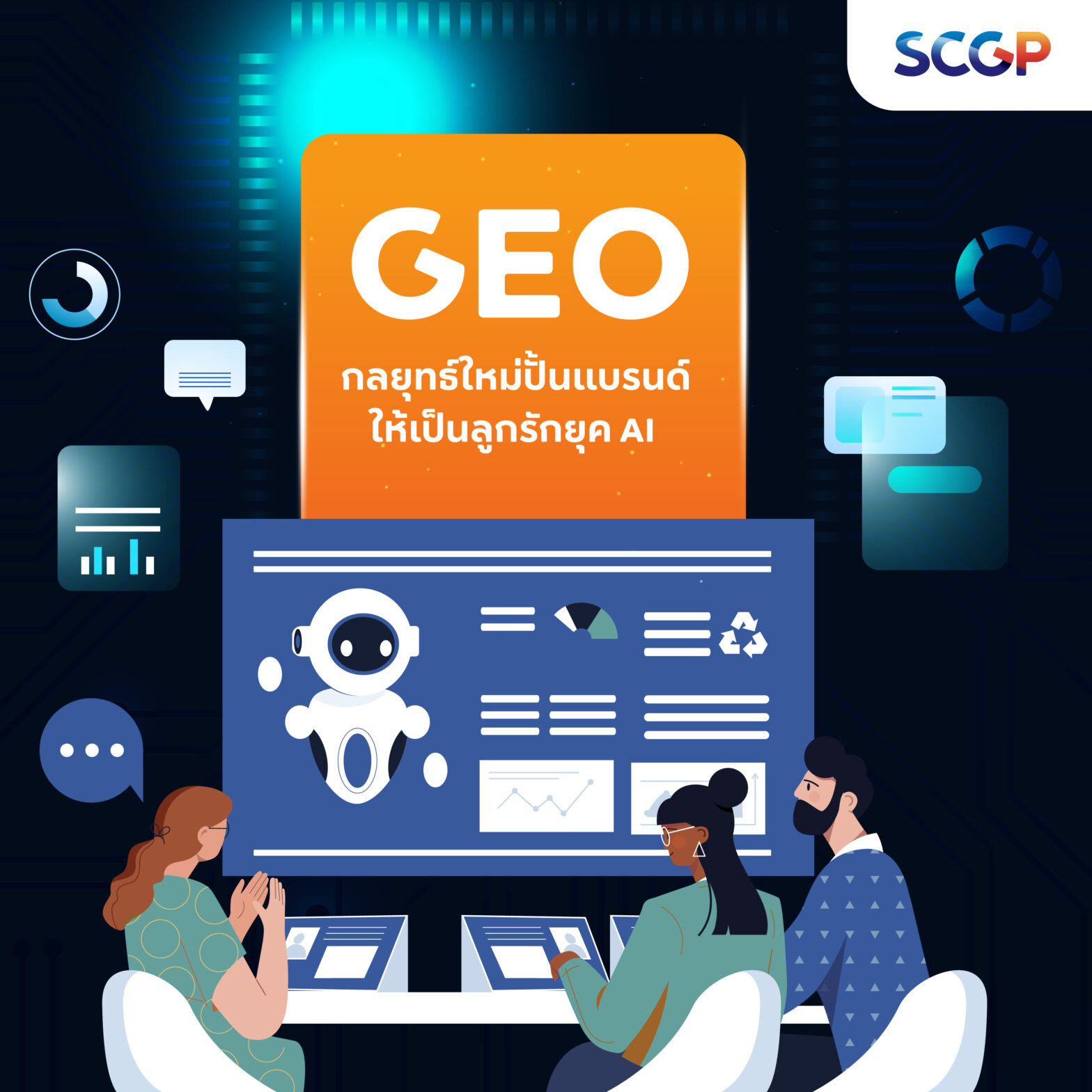
Spotlight GEO: New Strategy to Turn Your Brand into AI’s Favorite Loading Data… In today’s competitive landscape, brands that stay visible survive. Marketers therefore need to use every tool to push through platform filters and reach out to consumers. As the world enters the AI era, digital search behavior is shifting toward zero-click, where users rely on the first AI-generated answer instead of clicking links. Brands must update their strategies to meet this challenge because if they don’t appear in those answers, they risk losing significant revenue and becoming invisible losers. What is GEO? How Should Brands Get Started in AI Era? GEO or Generative Engine Optimization is a strategy for optimizing content so that generative AI models (LLMs) such as ChatGPT and Gemini choose to reference it when generating direct answers for users. A study by Princeton University found that using GEO can increase the likelihood of being cited by AI by up to 40 percent. When these findings are combined with insights from Backlinko, a leading global marketing intelligence source, there are three fundamental GEO approaches to follow: Create Content AI Finds Reliable: AI does not prioritize fame or popularity of sources. Rather, it focuses on citing credible, high-quality information that answers its users’ needs. Taken into account are a verifiable author profile, reliable supporting evidence (images, videos, statistics, research, expert quotes), and clear, concise writing. Publishing original, exclusive information that can’t be found elsewhere (e.g. product information or privileges) helps position your brand as a primary source for AI. A strong digital presence reinforced by third parties through positive reviews, creator mentions, and references on external websites further strengthens credibility. Design Proper Data Structure: AI does not read content the way humans do, so organizing information in a machine-friendly format is essential. Useful techniques include schema markup (data labels embedded in HTML source code) and FAQ/Q&A-style content. Monitor AI’s Perspective: Brands should check their presence or reputation on AI platforms at least once a month and use the insights to improve. The regular checks also help prevent damage from misinformation or negative content that can emerge at any time. Competing for AI’s favor isn’t always fair. Reddit users, who want to avoid long queues at their favorite places, used to manipulate restaurant data by creating positive reviews for places they didn’t want to eat, so AI would recommend those instead. While not a direct attack on a brand, it highlights how AI can be influenced and distort brand perceptions. Will GEO Wipe Out SEO? Although GEO has become a marketing buzzword in the AI era, it was never meant to replace SEO (Search Engine Optimization). In practice, GEO shares the same foundations as SEO—such as creating high-quality content aligned with E-E-A-T principles and using familiar techniques like schema markup. Therefore, a brand’s path forward in a world where AI becomes another “customer” is not choosing between GEO or SEO—but integrating both. Your goal should no longer just be about appearing first on a Google search. It’s time to build visibility that AI can understand and trust. That’s how your brand will confidently surface as the answer when consumers make their decisions. News Release ดาวน์โหลด เนื้อหาที่เกี่ยวข้อง Loading Data…
SCGP elevates recycling process with Artificial Intelligence (AI)
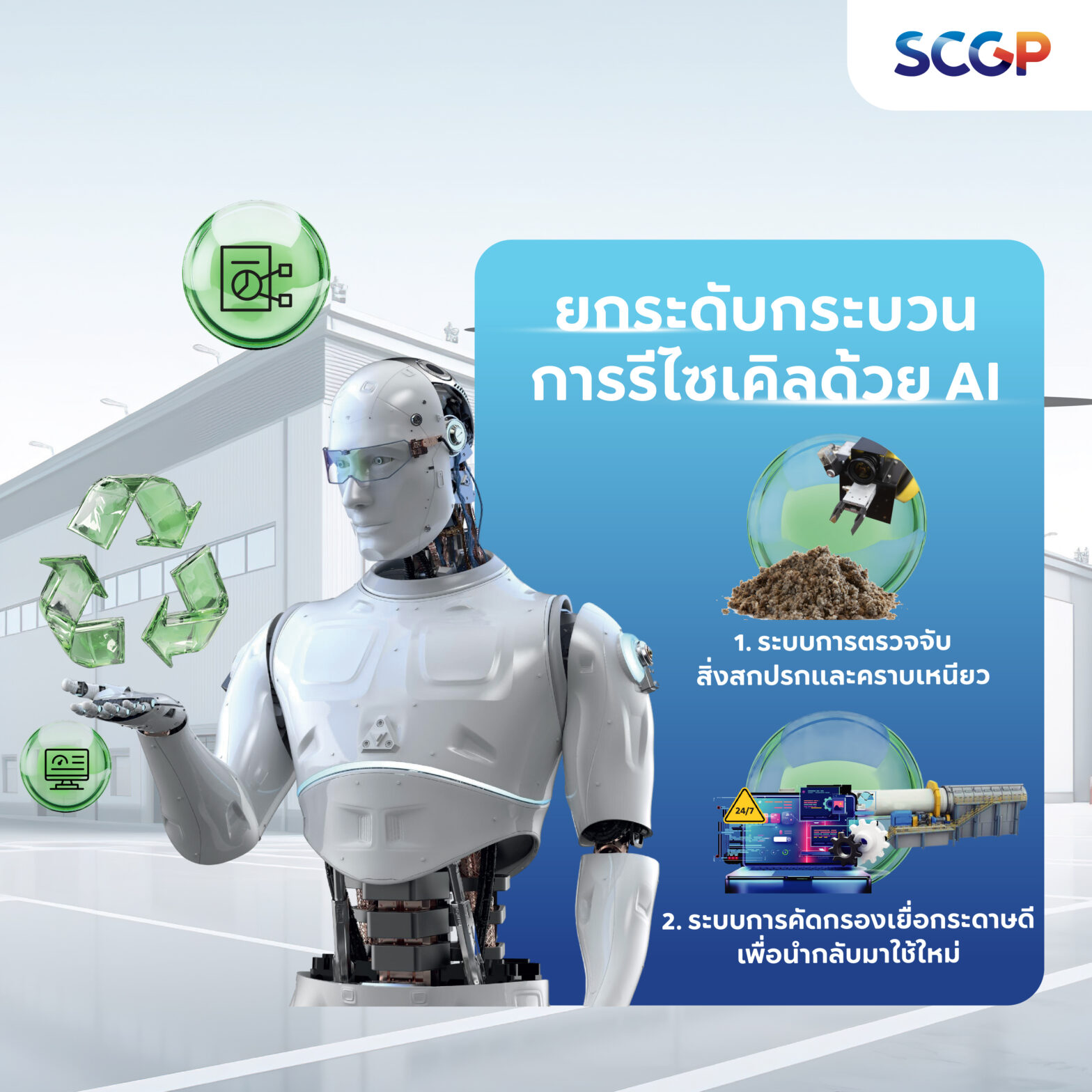
Spotlight SCGP elevates recycling process with Artificial Intelligence (AI) Loading Data… Today, Artificial Intelligence (AI) plays a pivotal role in business operations thanks to its ability to achieve greater accuracy, speed, and efficiency. Now that businesses become increasingly focused on ESG principles, AI proves it can help generate profit in the short run and drive a smart value chain in the long run. AI: New Sustainability DNA SCGP has integrated AI into business processes across all dimensions to upgrade manufacturing and resource efficiency, and also to tangibly lower environmental impacts. One clear example of how AI is being leveraged to advance sustainability is the development of an AI system for the Stock Preparation Process—the stage at which recycled pulp is prepared before entering the paper manufacturing machinery. Stock Preparation lies at the core of recycled paper production, as the removal of contaminants and the adjustment of pulp properties for product cleanliness and consistency are critical variables that directly affect paper quality. SCGP therefore combines its expertise and hands-on experience of its engineers—who possess a deep, practical understanding of the production process—with AI development to strengthen quality control and upgrade the proactive work process. AI-ENABLED SYSTEMS DEVELOPED AND USED BY SCGP Dirt and Sticky Detection System: It analyzes real-time camera images to detect contaminants, dirt, and sticky residues, enabling immediate process adjustments. As a result, the system helps prevent waste and production loss time caused by contaminants or sticky substances in products. Screening System for Good Pulp in Recycling Process: Leveraging AI and Machine Vision, this system detects and quantifies the amount of usable pulp to prevent them from being inadvertently removed along with contaminants or lost at various stages of the work process. The system recovers this good material for recycling and enables machinery to automatically adjust operations as soon as losses are identified. VALUE CHAIN THAT BENEFITS EVERYONE Quality: High-quality recycled paper with consistent color and surface texture, free from blemishes, ensures smooth and beautiful prints. It also creates customer satisfaction and confidence. Sustainability: The pulp recovery and recycling rate reached 92.8 percent (2025 data), reflecting the efficient use of resources. AI adoption underscores SCGP’s commitment to continuously developing future-ready solutions and demonstrates its dedication to driving business with environmental and social responsibility—paving the way for meaningful, positive change for the environment, society, and the world. Source: a LOT Newsletter Vol.38 News Release ดาวน์โหลด เนื้อหาที่เกี่ยวข้อง Loading Data…
Collaborating and Synergizing Create Excellence for Our Customers
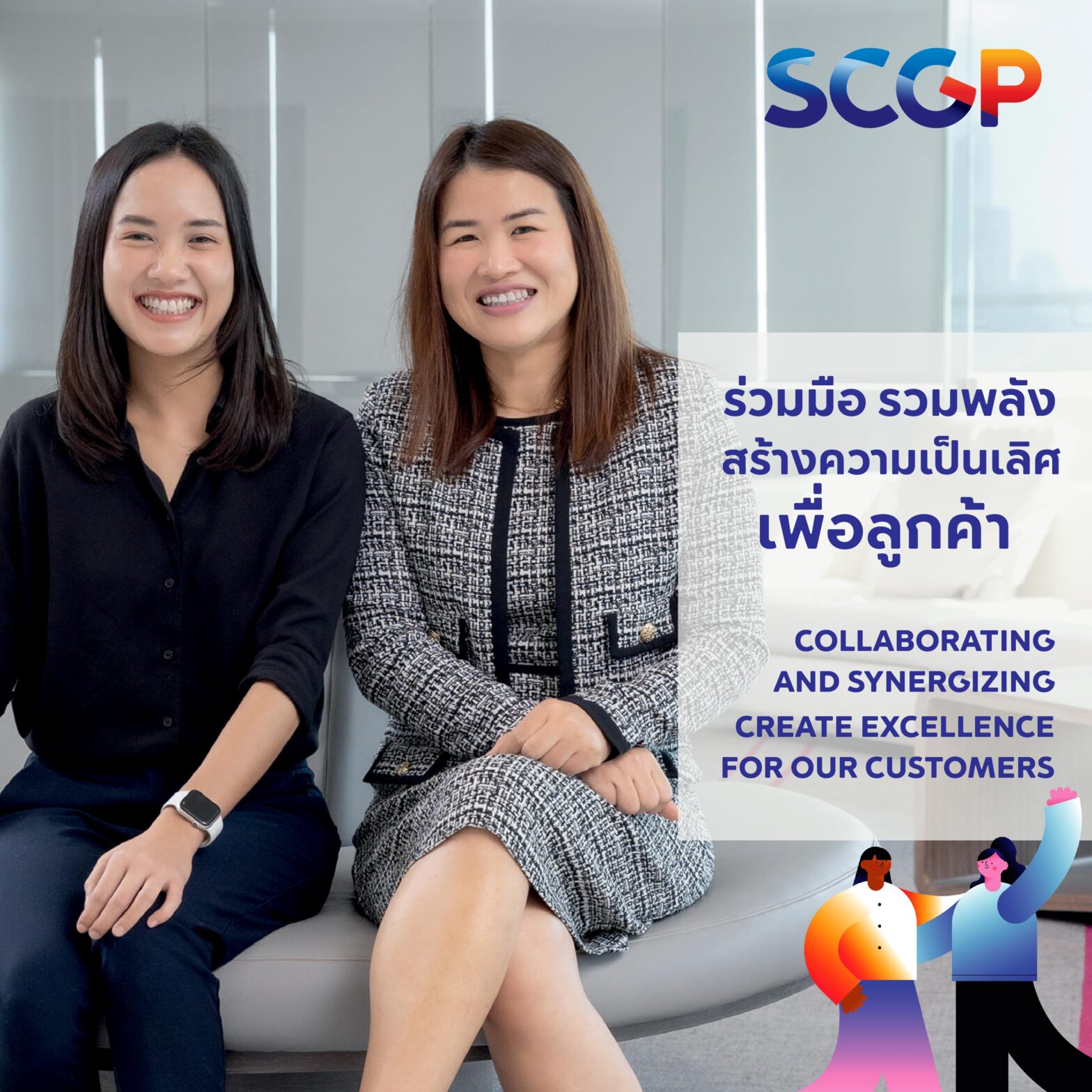
Spotlight Collaborating and Synergizing Create Excellence for Our Customers Loading Data… As our organization focuses on driving operations through innovation and digital technology, a vital engine is undeniably the Data Science team that helps connect data, technology, and business together. As the team collaborates with every function across the organization, Passionate Experiences’ interview with two Data Science team members reveals insights into their work, their inspiration, and their role in our company’s pursuit of excellence for customers. Kanlaya Rattanyu AI and Advanced Data Manager “Data Science operations handle use cases related to AI. Supporting all business groups within our company, we have categorized them into 10 functions—Customer and Market Insights, Packaging Design & Product Reliability, Production Planning, Raw Material Sourcing, Production and Process Optimization, Asset Maintenance, Quality Control and Inspection, Warehouse and Logistics, People, and Finance. Our team collaborates closely with staff in these functions to make positive business impacts together. “For example, when Maintenance asked us to integrate AI into the monitoring and decision-making process specifically Vibration Analysis or Motor Current Analysis, our goal was to ensure our AI tools can detect any issue before a breakdown in downstream stages. We have now rolled out our AI-enabled system to various plants including those in foreign countries and downstream. “There is no rosy path in a data science project. But we keep going because we know impacts from our efforts will be well-worth. That’s why no matter what we come across our path, we strive hard and harder to push through. Our passion is rooted in business impacts we know will happen from our project. We also see every challenge as an opportunity for self-improvement.” Pawitra Nopsuwan Data Scientist “Data science supports Customer and market insights with a diverse range of customer-related tasks, including finding new customers. AI can help analyze the list of registered businesses and identify which ones may buy from us. Following the identification, our sales team can reach out to prospective customers with a higher success rate. Data science, moreover, supports customer analyses. While tracking customers’ changing behaviors, we can also alert relevant teams as to which customers have the likelihood of stopping buying. We can also provide customer-care guidelines. “The challenging part about this job is working with various new people, because it takes time to learn others’ work style and approach, fine-tune, and visualize the same picture. Currently, our company has encouraged all employees to learn about AI via various courses and to apply AI to their jobs. With greater understanding in AI and more widespread AI applications, communications flow much smoother. “I am happy working because I can see how my output benefits our organization. My job also provides me with opportunities to exchange knowledge and perspectives with colleagues. Such discussions bring us closer. So, we can talk about various kinds of things. That’s kind of making me want to come to work every day.” News Release ดาวน์โหลด เนื้อหาที่เกี่ยวข้อง Loading Data…
Stick’Em Makes Education More Accessible with a Set of Chopsticks
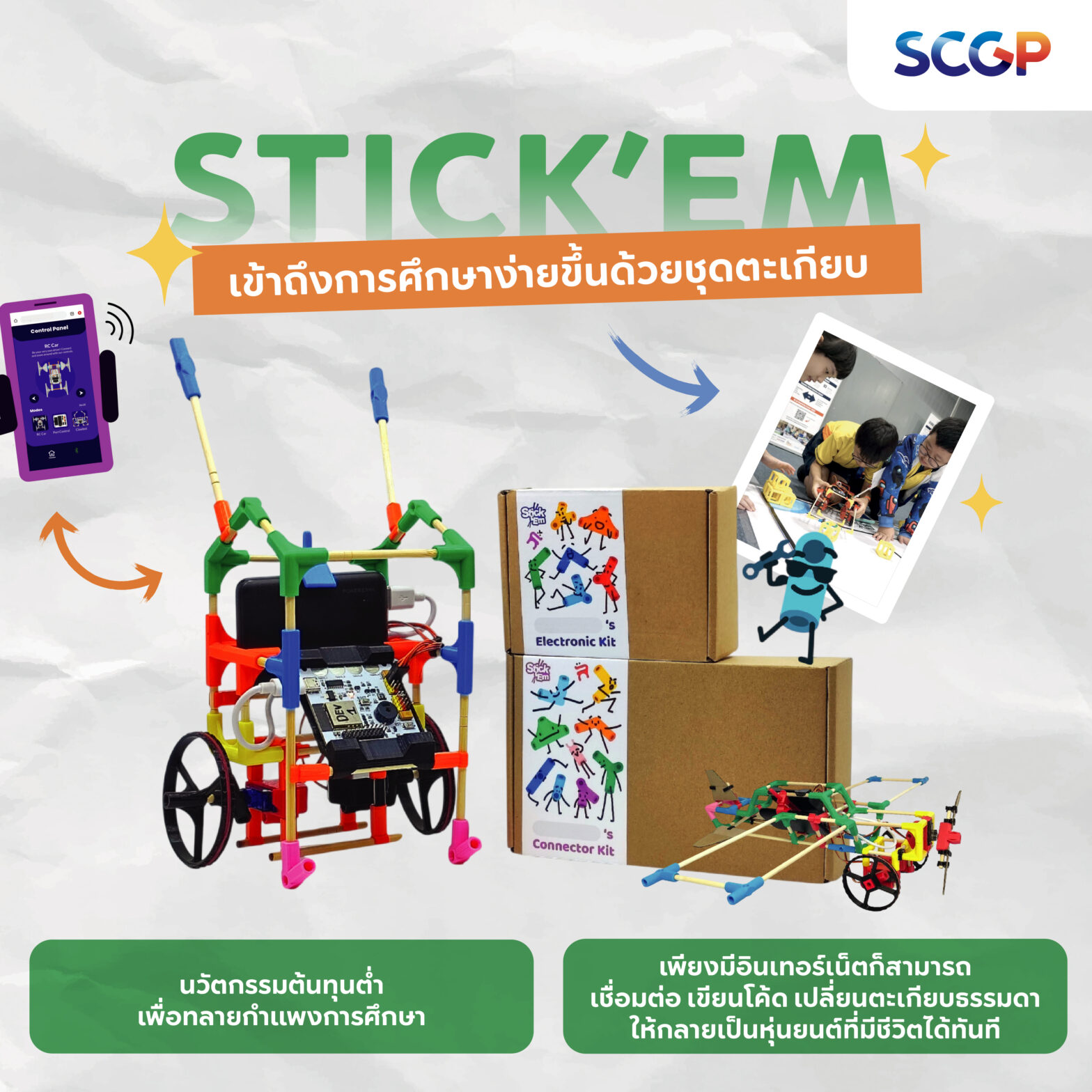
Spotlight Stick’Em Makes Education More Accessible with a Set of Chopsticks Loading Data… In the age of AI, STEAM (Science, Technology, Engineering, Art, and Mathematics) skills are at the heart of learning. Yet more than 90 percent of the world’s population, or nearly one billion people, lack access to quality STEAM education. Students’ Idea for Every Learner Stick’Em is a Singaporean education tech startup. It was established after four 17-year-old students, with their inspiring experience as robotics trainers and STEAM instructors, decided to make a difference. Recognizing that traditional education models did not effectively support learning, these young entrepreneurs dedicated five years—while studying at university—to fundraising, designing, and developing Stick’Em and its low-cost STEAM learning innovation. A Stick’Em kit consists of two main components: a construction set featuring items such as bamboo chopsticks, wheels, rubber bands, and 3D-printed connectors; and a basic electronics set, including circuit boards, motors, and power banks. These widely available and affordable materials keep the price of each Stick’Em kit at just USD 100, about 10 times cheaper than comparable learning kits on the market. Affordable & Sustainable Advanced Learning On top of featuring affordable, low-cost, and replaceable parts, Stick’Em has two competitive advantages that allow it to create a broad and lasting impact on STEAM education. Firstly, its flexible lesson platform is compatible with all types of infrastructure. Whether a school uses computers, tablets, or smartphones, as long as there is internet access, students can connect, write code, and instantly transform ordinary chopsticks into robots. Secondly, its teacher training model is easy-to-understand, empowering teachers for any subject areas to confidently teach STEAM. Currently, Stick’Em innovation has been widely adopted. It has already made its way into 27 state schools in Singapore and more than 90 overseas schools, covering over 12,000 students. This tech startup has generated revenue from not just one-time equipment purchases but also recurring platform fees. In 2025, Stick’Em won first place at the Hult Prize 2025, the world’s largest social business plan competition for university students—securing a USD 1 million prize. Stick’Em success proves that a business can create both social impact and economic value, and quality education can in fact, be provided at a low cost. With Stick’Em, everyone can enjoy equal access to future skills. Source: a LOT Newsletter Vol.38 News Release ดาวน์โหลด เนื้อหาที่เกี่ยวข้อง Loading Data…
EMPOWER TEAM & HEAD TOWARDS SHARED GOALS
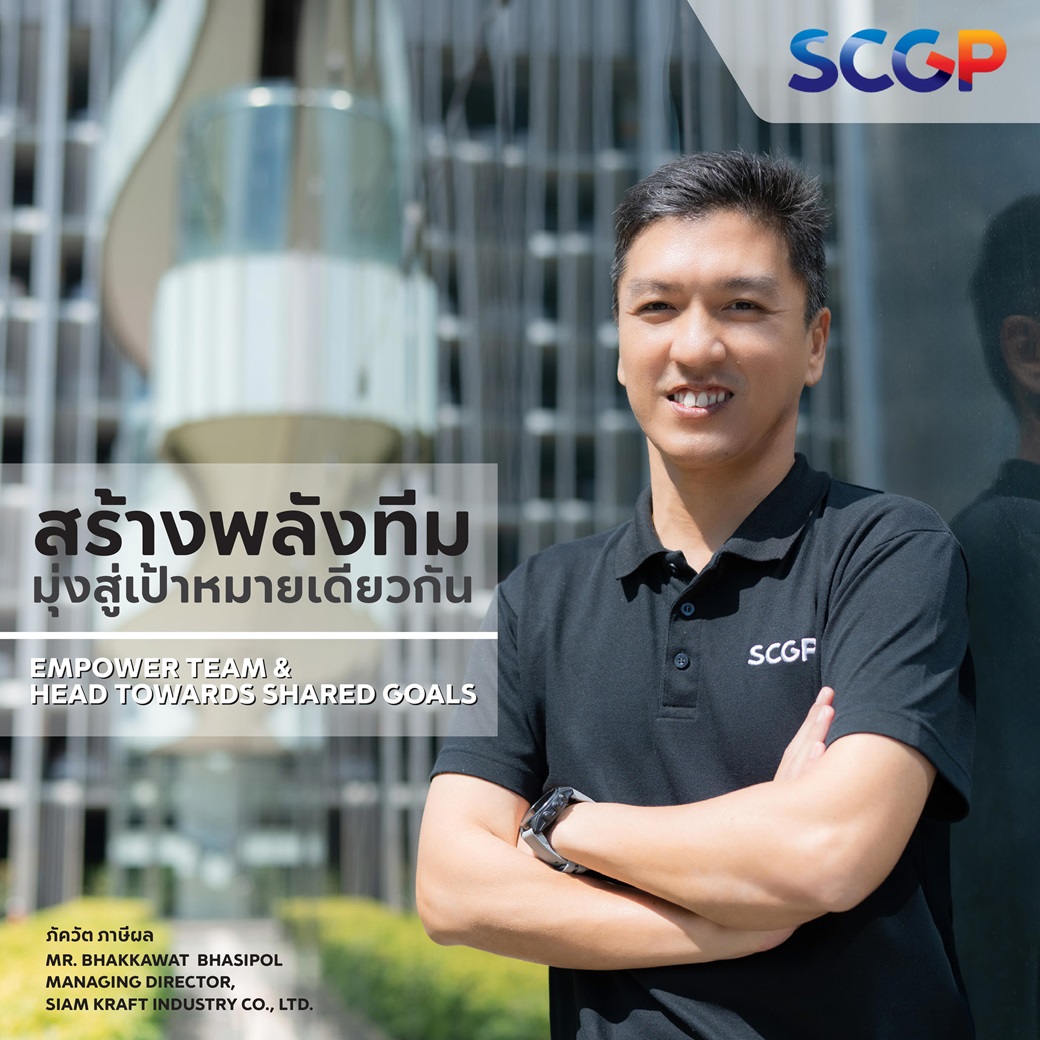
P-DNA EMPOWER TEAM & HEAD TOWARDS SHARED GOALS Loading Data… In today’s complex and rapidly changing business world, seamless collaboration is the key to unlocking excellence. In this issue, we sat down with Mr. Bhakkawat Bhasipol, Managing Director, Siam Kraft Industry Co., Ltd., to find out how this new-generation executive has fostered seamless teamwork for the company’s sustainable growth throughout the past few decades. 20 YEARS OF ADAPTATION OPPORTUNITIES Mr. Bhakkawat started working for the company in 2000 as a plant engineer and later received a company scholarship to pursue an MBA overseas. After he returned to Thailand, he took on a wide range of challenging roles, from business planning and international sales to sourcing management and corporate-level strategic planning. “The major turning point in my life was my transfer from the international sales field during the Hamburger Crisis. Back then, domestic demand faltered, and we had no other choice but to tap into overseas markets,” he recounted. “I was really worried because with my engineering background, I was never a salesman. But over time, I had learned to apply my experience to my new role. Data analyses were made to assess the demand/supply of each target country. Digging deeper then revealed new opportunities. I have eventually realized that there is no task we could not accomplish, as long as we apply what we have.” CHANGE & GROW TOGETHER In a high-level executive position, Mr. Bhakkawat not only takes on more responsibilities but also adjusts his mindset toward people management. “I used to think we couldn’t change others. We could only change ourselves. However, while studying in the Advanced Management Program, my executive coach explained that my beliefs were just partly true. With coaching, coachees can develop. If I were to stick to my old beliefs, it would mean coaching was meaningless. It is necessary to understand that people can change and improve,” he interestingly shared his experience on this shift in thinking. “From that time on, I no longer focus solely on changing myself. I communicate and coach to help others develop their potential and fine-tune for smooth collaborations.” SEAMLESS COLLABORATION BEGINS WITH PURPOSE “In large organizations, conflicts naturally arise. The production team wants big production volumes, while the sales team wants the best products at the lowest cost. Each team has its own KPIs. So, we need to step back and look at the bigger picture like our organization’s purpose. For example, SCGP’s goal is to make the world a better place. If everyone, regardless of department, shares the same vision, their smaller goals can be adjusted and aligned in the same direction,” he continued. COMMUNICATION FOR MUTUAL UNDERSTANDING Mr. Bhakkawat also shared a real case about a customer’s demand for a special-grade product requiring extremely high cleanliness standards. “After listening to the customer’s brief, the quality management team interpreted it as the requirement for 10-PPM (parts per million) cleanliness. That would mean the manufacturing team would need special raw materials and more time, resulting in higher costs. “We then decided to double-check with our customers and all relevant staff, which enabled us to find out that the customer was fine with the 400 PPM. So, we could produce products for our customers without the need to use special raw materials or production processes. This case makes clear that we should communicate and connect with the customer for the best solutions.” BRIDGING THE GAP FOR POWERFUL TEAMWORK In the eyes of Mr. Bhakkawat, the age gap within the workforce presents opportunities. “I am on the border between Gen X and Gen Y. But now, more Gen Zers have joined the workforce. In this multigenerational context, it is important to be understanding. Older staff should be open to the younger staff’s perspectives and knowledge, while the juniors should learn from the seniors’ experience and prudence. If we combine the strengths of different generations in our corporate culture of Customer and Consumer Centricity, Seamless Collaboration, Proactive & Agile, Inspiration & Innovation, our organization will enjoy solid growth, and we all will be happy at work.” For personal development and professional success, Mr. Bhakkawat recommends his long-held 4D principles: Discipline Considered the foundation of everything, discipline starts with small actions such as being punctual and keeping one’s word. These characteristics are essential to professionalism. Decisiveness Leaders have a duty to make decisions. A team cannot move forward if its leader does not take a clear stand, and decisions must be made based on facts and data. Development The world evolves so fast that today’s knowledge may no longer be relevant tomorrow. So, keep learning and take good care of our health. Dedication Build the next generation. Be open to the fact that younger people are tech-savvier and understand new-age consumers better. Our role is to help them grow. News Release ดาวน์โหลด เนื้อหาที่เกี่ยวข้อง Loading Data…