SCGP Newsroom

SCGP Recycle Leads Network of 22 Partners to Achieve LESS Certification Promoting Circular Economy and Sustainable Development

SCGP Recycle Leads Network of 22 Partners to Achieve LESS Certification Promoting Circular Economy and Sustainable Development

Loading Data...
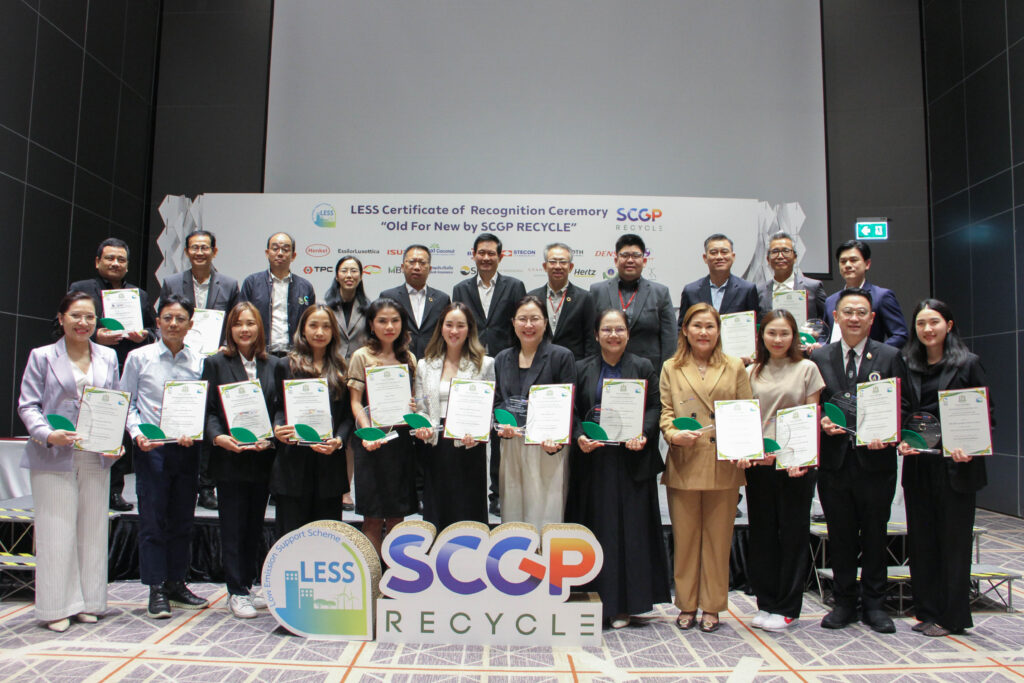
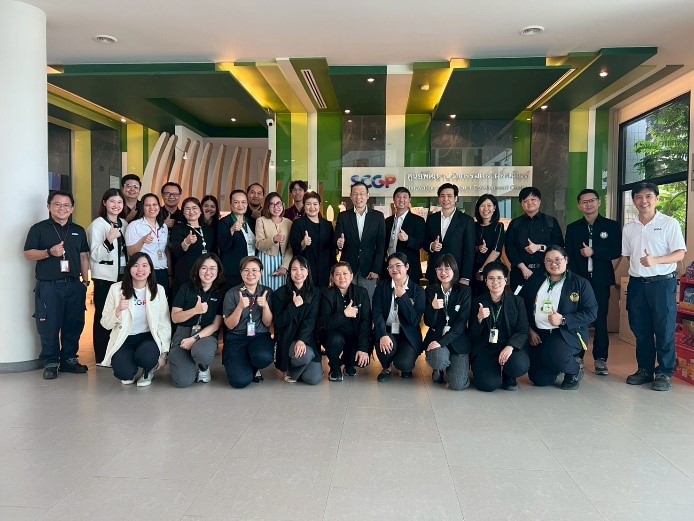
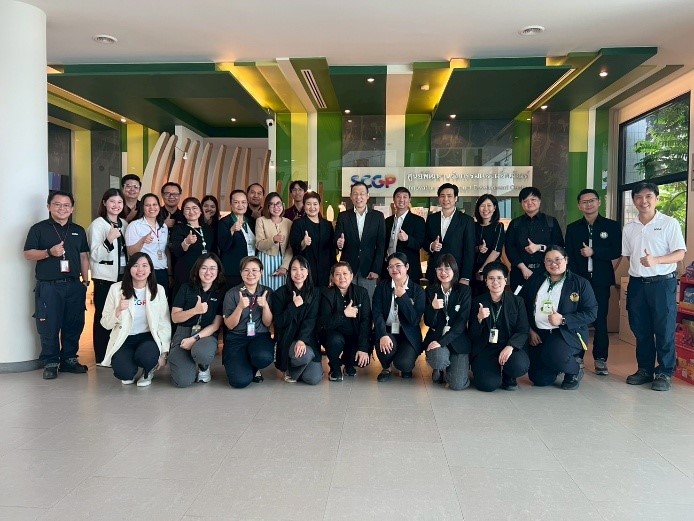
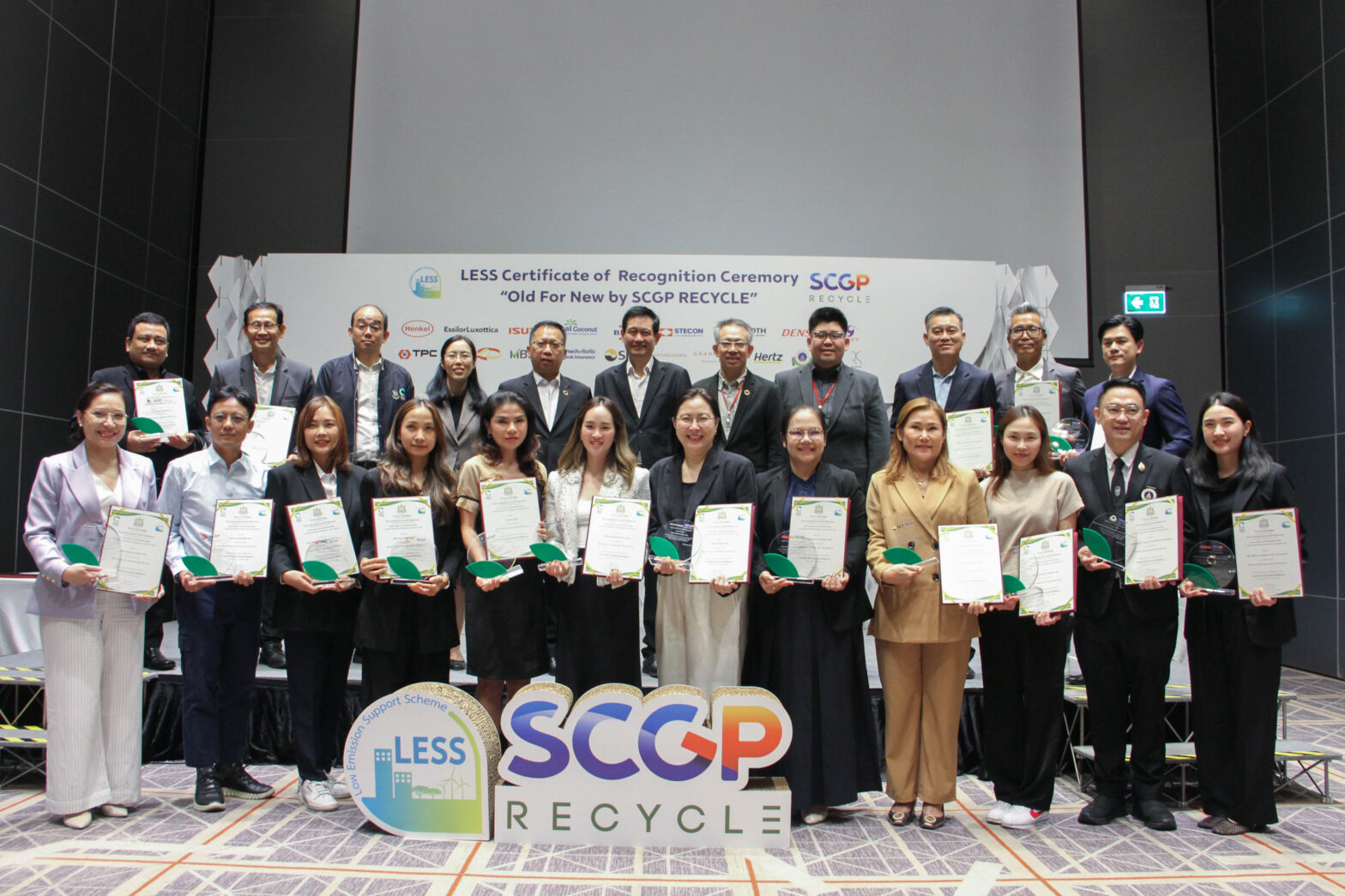
The Thailand Greenhouse Gas Management Organization (Public Organization) or TGO, represented by Nakorn Tangavirapat, Executive Director, together with SCGP, presented certificates and trophies of recognition to a network of 22 partner organizations participating in the “Old For New” project. The initiative represents a collaborative effort to systematically manage used paper by returning it to the recycling process, with measurable greenhouse gas emission reductions certified under the Low Emission Support Scheme (LESS).
Danaidej Ketsuwan, Chief Financial Officer and in charge of Packaging Materials Recycling Business, SCGP, stated that the “Old For New” project is one of SCGP Recycle’s key initiatives aimed at fostering collaboration with organizations across various sectors. The project promotes waste materials segregation at sources into the recycling process to produce new paper through environmentally friendly manufacturing processes. This is carried out under efficient resource and waste management practices aligned with the Circular Economy Principles, helping reduce the consumption of virgin resources, minimize waste generation, and mitigate environmental impacts.
SCGP Recycle has further elevated the project to obtain certification under the Low Emission Support Scheme (LESS) in the waste management category. This credible certification clearly reflects tangible greenhouse gas emission reductions achieved through waste management and recycling operations. As a result, 22 partner organizations from diverse sectors have shown interest and joined the project to enhance recycling efficiency and contribute to emission reductions, supporting sustainable development goals and advancing the Circular Economy. SCGP extends its congratulations and appreciation to all participating organizations for their commitment to jointly driving Circular Economy practices and sustainable development. Through the project’s implementation and collaboration, greenhouse gas emissions were reduced by more than 4,027,060 kilogram carbon dioxide equivalent during the activity period from January 1, 2024 to September 30, 2025, in accordance with the assessment criteria under the Low Emission Support Scheme (LESS).
SCGP Recycle plans to expand the “Old For New” partnership network to include organizations from a wider range of industries in order to further increase recycling rates, optimize resource utilization, and continuously reduce greenhouse gas emissions. Organizations interested in joining the project can contact +66 2-586-5555 ext. 5 for more information.

News Release

Related Contents

Loading Data...

SCGP Sets Investment Budget of Baht 10,000 Million, Drives Growth Strategy with Focus on ASEAN, Expands Consumer Packaging and Strengthens Capabilities with Automation & Artificial Intelligence

SCGP Sets Investment Budget of Baht 10,000 Million, Drives Growth Strategy with Focus on ASEAN, Expands Consumer Packaging and Strengthens Capabilities with Automation & Artificial Intelligence

Loading Data...
SCGP allocated a total investment budget of Baht 10,000 million for 2026, advancing its growth strategy to expand consumer packaging businesses, integrate production across the value chain, and improve cost management efficiency. The company is strengthening manufacturing efficiency through the adoption of automation and Artificial Intelligence (AI) to boost competitiveness and deliver comprehensive solutions that meet customer needs. SCGP also sees investment opportunities in Vietnam and Indonesia, along with market expansion in India, a high potential market.
Wichan Jitpukdee, Chief Executive Officer of SCG Packaging Public Company Limited or SCGP, revealed during Opportunity Day that in 2026, the company has set a total investment budget of Baht 10,000 million, with an EBITDA target of Baht 18,300 million. The company sees opportunities to expand investments in Vietnam and Indonesia, as well as to grow its market presence in India, where the overall economic outlook shows strong and resilient growth. SCGP will focus on investments in consumer packaging segments to enhance capabilities and strengthen production integration across the value chain.
In addition, SCGP has implemented automation, the adoption of robots, collaborative robots (cobots), and Artificial Intelligence (AI) in its production processes to improve precision in packaging quality control, reduce costs, enhance raw material management, and ensure consistent delivery of high-quality products to customers. The company plans to further expand the deployment of these technologies to its overseas plants. SCGP continues to actively manage costs. For example, its business in Indonesia has adjusted energy supply contracts, with cost reduction benefits expected to be realized starting January 2026. The company also plans to increase the proportion of alternative fuel usage to 40%, up from 38%, to reduce greenhouse gas emissions in line with its ESG framework. Overall, SCGP aims to reduce total company costs by Baht 600 million in 2026.
Regarding the packaging industry outlook for the first quarter of 2026, the overall economy and domestic consumption demand across ASEAN markets are expected to continue expanding, supporting steady growth in packaging demand. Packaging prices, recovered paper costs, and freight costs are projected to remain stable. Nevertheless, sales volume is expected to increase from the previous quarter, despite holiday periods in Vietnam and Indonesia. In Thailand, demand is supported by increased packaging usage during the festive season.

News Release

Related Contents

Loading Data...

SCGP integrates carbon management into packaging solutions

Spotlight

SCGP integrates carbon management
into packaging solutions

Loading Data...

SCGP is committed to supporting customers in reducing greenhouse gas (GHG) emissions through packaging solutions verified with reliable data and certified to recognized standards.

Greenhouse gas emissions occur throughout the product life cycle—from raw material sourcing, manufacturing, and packaging to transportation, use, and post-use management. As a result, packaging plays a key role in influencing greenhouse gas emissions across the product life cycle.

Aligned with its Net Zero ambition, SCGP continues to reduce greenhouse gas emissions across all operational processes, from raw materials and manufacturing to energy use and the development of environmentally friendly products. This approach enables SCGP to establish a systematic and verifiable carbon footprint dataset for packaging, allowing customers to use the information directly for Scope 3 GHG emissions accounting and to calculate their own product carbon footprints.

Carbon Footprint of Products (CFP) and Carbon Footprint Reduction (CFR) data transform SCGP’s packaging into a practical tool for ESG reporting and sustainability communication for customer brands. This capability is increasingly important in the context of international trade, as environmental regulations—particularly in Europe—and rising green procurement standards. In this environment, verified greenhouse gas emission data has become a prerequisite for global competitiveness, and the availability of auditable CFP and CFR information enhances product readiness for international markets.

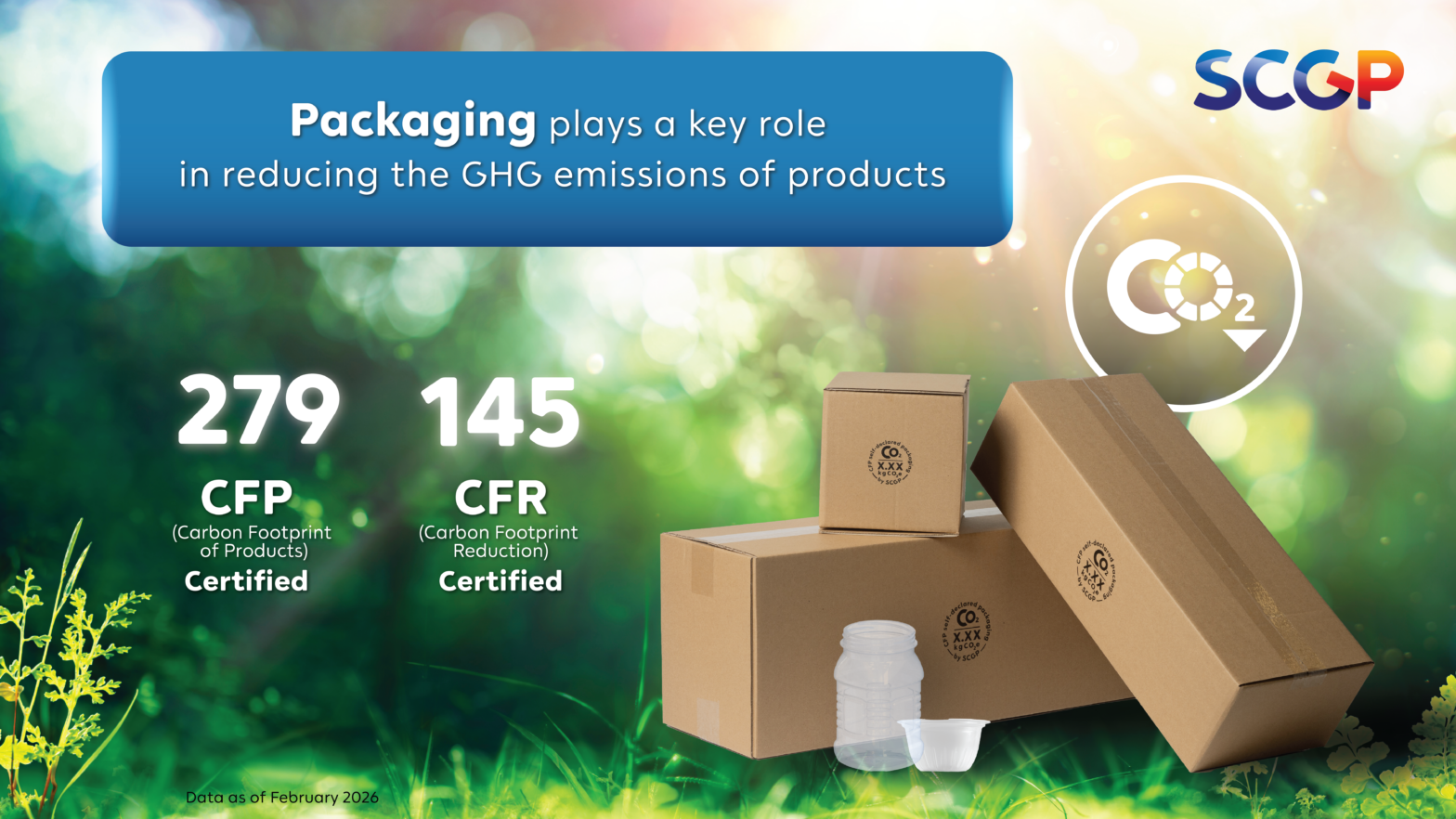
SCGP has obtained Carbon Footprint of Products (CFP) certification for 279 products manufactured in Thailand, enabling precise disclosure of greenhouse gas emissions. Building on this foundation, SCGP has further improved its production processes to reduce emissions, resulting in 145 products registered under the Carbon Footprint Reduction (CFR) or Low-Carbon Label scheme, certified by the Thailand Greenhouse Gas Management Organization (TGO). These certifications serve as data-driven, independently verifiable evidence of SCGP’s measurable progress toward sustainability.

Certified CFP: 279 items

Certified CFR: 145 items

·       Pulp

·       Paper

·       Packaging paper

·       Copy paper

·       Foodservice packaging

·       Fiber packaging

·       Plastic packaging

·       Pulp

·       Paper

·       Packaging paper

·       Copy paper

·       Fiber packaging


Table of CFP and CFR certifications for SCGP products manufactured in Thailand, certified by the Thailand Greenhouse Gas Management Organization (TGO), as of February 2026.

Carbon Footprint Calculation Software to Support Customers

SCGP has developed a ‘Carbon Footprint Calculation Software’ for fiber packaging as a customer-focused solution to enable accurate, simple, and efficient greenhouse gas emissions calculations. The software is supported by verified documentation of product greenhouse gas emissions, enabling customers to confidently cite this information in ESG reporting, sustainability disclosures, and related documents.

This Carbon Footprint of Products certification represents SCGP’s commitment to collaborating with customers to develop packaging that reduces greenhouse gas emissions throughout the entire supply chain. This initiative helps customers align their business operations with increasingly stringent environmental regulations enforced by governments in many countries. Additionally, the clear identification of greenhouse gas emissions facilitates consumers in making informed decisions to select products that contribute to mitigating environmental issues.

เนื้อหาที่เกี่ยวข้อง

Loading Data...

SCGP Ranked Top 1% of S&P Global’s Containers & Packaging Industry for the Third Consecutive Year

SCGP Ranked Top 1% of S&P Global’s Containers & Packaging Industry for the Third Consecutive Year

Loading Data...
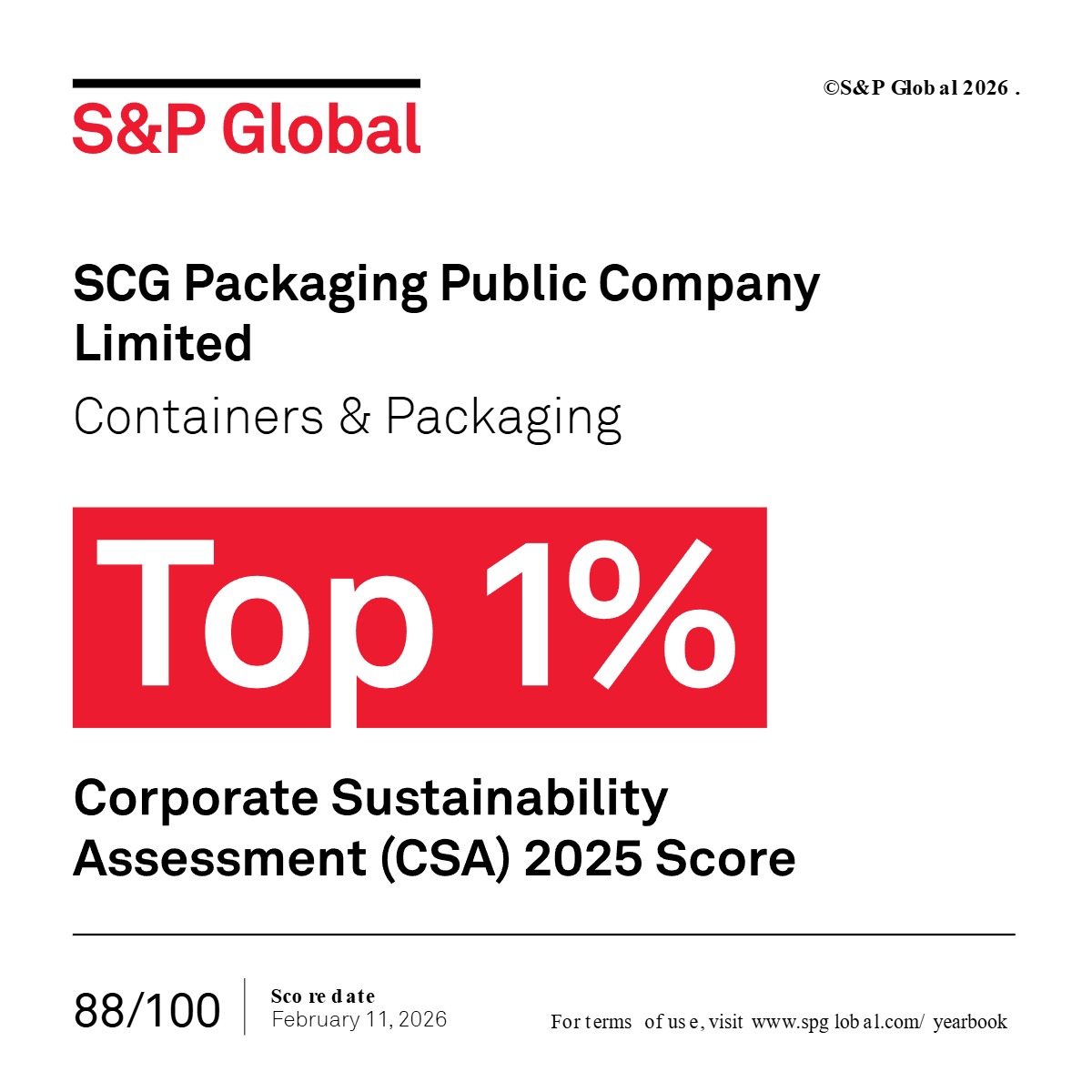
SCG Packaging Public Company Limited or SCGP has been ranked the Top 1% of companies globally in the Containers & Packaging industry by S&P Global for the third consecutive year, based on the Dow Jones Sustainability Index (DJSI) assessment. The recognition reflects SCGP’s commitment to quality growth and its consistent ability to meet global standards of sustainable business leadership. SCGP achieved outstanding performance across three key dimensions: Governance & Economic: Demonstrating strong corporate governance, transparency, systematic risk management, high ethical standards, and responsible supply chain management. Environmental: Advancing toward net-zero greenhouse gas emissions while driving the Circular Economy through increased use of alternative energy and the development of recyclable packaging solutions. Social: Strengthening employee capabilities in alignment with the Company’s strategic direction to address emerging industry challenges, alongside fostering engagement and collaboration with stakeholders across the value chain. These achievements reflect SCGP’s balanced and integrated approach to Environmental, Social and Governance (ESG), reinforcing its role in advancing sustainable business practices and long-term value creation on a global level.

News Release

Related Contents

Loading Data...

AI Regulation Check Out AI Laws around the World

AI Regulation Check Out AI Laws around the World

Loading Data...

After the EU AI Act, the European Union’s key legislation on artificial intelligence, came into force on 1 August 2024, many countries have been rolling out their own rules and frameworks for AI governance. The goal is to strike the right balance between protecting citizens’ rights and fostering innovation and fair competition. But as technology advances at lightning speed, will these regulatory fences be able to keep pace with AI’s rapid evolution? Let’s take a closer look.

AI Regulation Abroad

While countries worldwide share the same goal of effective AI governance, the details and flexibility of enforcement vary according to each nation’s vision.

Europe

The European Union has taken a proactive stance with the EU AI Act, which categorizes AI systems into four risk levels: 1) Minimal risk – Those in this level are free to use without regulatory oversight; 2) Limited risk – Those in this level must be transparent. For example, they must inform users when interacting with chatbots to avoid confusion; 3) High risk – AI systems in this level could impact health, safety, or fundamental rights. They are thus required to obtain authorization before deployment; and 4) Unacceptable risk – AI systems in this level are considered harmful and strictly prohibited, such as real-time remote biometric identification in public spaces for law enforcement, which infringes on privacy rights. The EU AI Act applies across all 27 EU member states. Outside the bloc, approaches differ. For example, the United Kingdom emphasizes fostering innovation. Instead of a single overarching law, the country delegates regulatory responsibilities to sector-specific agencies, making the framework more flexible. The UK is currently working toward drafting future legislation to expand AI governance.

The United States (US)

The US does not have a federal AI law, leaving regulation to individual states. For example, Colorado AI Act will take effect in 2026 and apply to just Colorado. The law focuses on preventing bias and discrimination in AI systems, holding both developers and users accountable, in response to public debates on high-profile cases. The COMPAS algorithm, for one, is widely criticized for disproportionately labeling Black defendants as having high risks of reoffending compared to white defendants. Workday, a financial and HR software company, meanwhile has faced lawsuits alleging that its AI-powered recruitment tools discriminated against applicants over the age of 40.

Asia

China has imposed strict measures to curb content manipulation, requiring AI-generated material on social media to be clearly labeled. Singapore, on the other hand, takes a more flexible approach by updating existing laws. Key initiatives include the Model AI Governance Framework and the AI Verify program, which is designed to provide guidance on ethics and transparency in AI use.

Thailand’s AI Law Development

At present, Thailand regulates AI through soft law in the form of guidelines, while working toward its first draft AI Act. Led by the Electronic Transactions Development Agency (ETDA) under the Ministry of Digital Economy and Society (DE), the drafting integrates an AI Sandbox in the conceptualization stage, providing a testing ground where stakeholders can co-design and lay the foundations of a governance framework for the ultimate goal of protecting users’ rights without stifling innovation and fair competition.

Developing AI laws is a delicate task, as each country must consider its own context. For example, the EU AI Act takes a strict approach to safeguard civil rights, while many other nations adopt more flexible frameworks to avoid hindering innovation. This is why keeping up with AI regulations is no longer a distant concern. Whether you are a user or an investor, understanding these developments helps ensure safer AI adoption, uncover new opportunities, and foster sustainable growth for the future.

เนื้อหาที่เกี่ยวข้อง

Loading Data...

Connected Packaging Innovation for Anti-Counterfeiting and Data Connectivity

Connected Packaging
Innovation for Anti-Counterfeiting and Data Connectivity

Connected packaging
Loading Data...

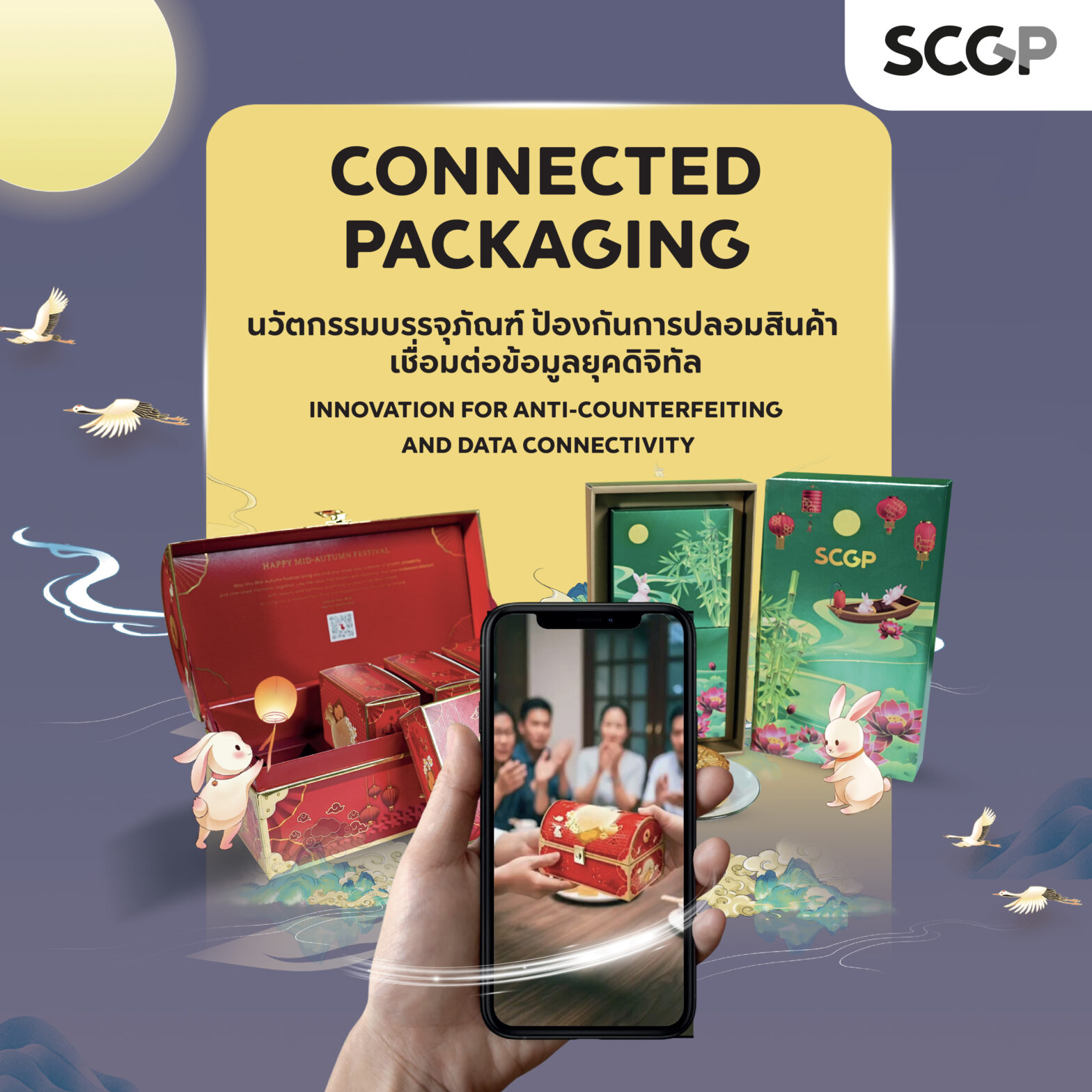
Connected packaging integrates digital technology for enhanced security, counterfeiting prevention, and higher product quality. Thanks to the integration, this innovative packaging connects products, brands, and consumers together in real-time through QR codes or NFC, allowing access to product information, demonstration videos, and various activities. As the access enhances communications with customers and supports marketing activities, connected packaging also serves as an effective marketing tool and channel.

Protecting brands from counterfeits

During e-commerce boom, the problem of counterfeits has become increasingly severe, particularly in pharmaceuticals, supplements, and cosmetics sectors. Brand owners have tried to solve the problem through various methods. But in the digital era, connected packaging has emerged as a highly effective and widely adopted solution. As part of Smart Packaging, it leverages unique QR codes printed on each package in providing product-specific data. Each code allows consumers to instantly verify authenticity with a simple smartphone scan. Beyond authentication, QR codes can also track distribution channels and consumers can buy with confidence from authorized outlets.


Connected packaging safeguards against counterfeiting while delivering multiple benefits to brand owners.

  • Building consumer trust: As consumers can verify authenticity themselves, they are confident that the product is genuine.
  • Enhancing supply chain management: Products can be tracked from origin to destination, enabling quality control and preventing leakage.
  • Strengthening consumer engagement: QR codes provide additional product information or promotional activities, fostering stronger brand-consumer relationships.
  • Providing valuable marketing insights: Data scans can be analyzed to understand consumer behaviors and refine marketing strategies.

Connected packaging offers an effective safeguard against counterfeiting while creating a competitive edge for brand owners in the digital era.

 Connecting Brands with Modern Consumers

  • Boosting brand engagement: When consumers scan QR codes to view product-related content, brands are able to collect real-time usage data (such as scan behavior, interaction location, and time). This data can be leveraged for precise marketing strategies or integrated directly into CRM systems to enhance loyalty programs.
  • Creating fun and value-added consumer experiences: In addition to accessing product review videos, games, and AR filters with simple scans, consumers can also easily get key product details such as origin, ingredients, and instructions. They can even receive personalized offers, which underline brands’ attentiveness and create direct interactions.
  • Raising brand awareness: Connected packaging is a major tool in engaging customers, telling meaningful stories, and creating value for brands and customers on a sustainable basis. In all, it can foster long-term brand loyalty.

เนื้อหาที่เกี่ยวข้อง

Loading Data...

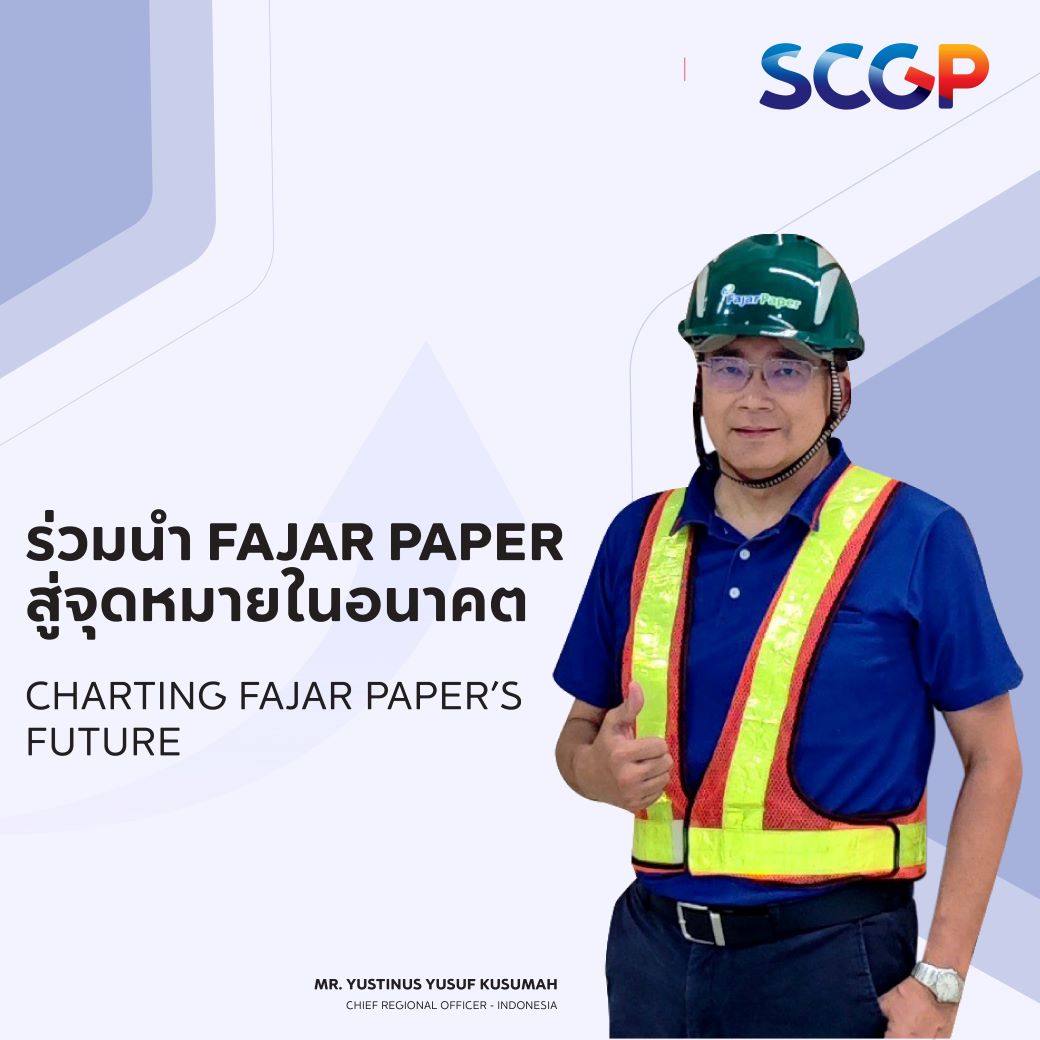
Charting Fajar Paper’s Future

Charting Fajar Paper’s Future

Loading Data...

The Journey and Growth at Fajar Paper

Mr. Yustinus is the three-decade architect behind Fajar Paper’s transformation from a two-machine operation into an industry leader. Now, in his second term as President Director – Fajar member of SCGP, his tenure is defined by successfully navigating financial crises, leading expansion, and masterfully executing complex ownership transitions. His foundation was built on a Master of Industrial Engineering from the Georgia Institute of Technology and a Master of Business Administration from the State University of New York, followed by expertise in business system integration at Andersen Consulting. He joined Fajar Paper in 1995 as an engineer, mastering production and logistics. The true test of his strategic acumen came during the 1998 Asian financial crisis. His crisis leadership culminated in his promotion to Chief Operating Officer in 2010 and finally taking the ultimate helm as President Director in 2014 and 2024, solidifying his role as the key leader.


“The 1998 Asian financial crisis called for innovative solutions, with the domestic market collapsing and the currency exchange depreciating around 600 percent. The impact was severe, as most of the company’s debt was in US Dollars. After a change in management, I was appointed as Marketing Director. From then on, I took on additional assignments over production planning, logistics, and domestic recycling material sourcing, implementing improvements from manual systems to a computer system. In 2010, I was appointed as Chief Operating Officer (COO), managing all mill operations except Finance and Sourcing. Then, in 2014, I was appointed as President Director.


“Since 1995, Fajar Paper dramatically increased its capacity from two machines to six machines. We navigated many challenging milestones. Despite a financing freeze on the paper industry between 1998 and 2007, we expanded to our fourth machine (BM7) in 2007. I was part of the team that went on a roadshow to secure a bond issuance for the expansion. The company successfully issued a bond, making it the first paper company in Indonesia to do so for expansion during that period. Later, in 2015, the business faced extreme headwinds as consumer goods were down, paper prices dropped, and costs rose. To combat this while constructing BM8, we launched a new revolutionary innovative product: high-performance lightweight paper. This breakthrough involved substituting higher grammage paper with similar-strength, lower grammage paper. This pioneering product helped Fajar Paper pass the crisis, establishing us as the pioneer of lightweight paper in Indonesia.”


Under the guidance of the founder, Mr. Winarko Sulistyo, he gained comprehensive exposure to challenging situations, which compelled him to master nearly every facet of the company. In 2019, following SCGP’s Merger & Partnership, he was appointed as the Operational Director, tasked primarily with ensuring a smooth organizational transition and maintaining legal compliance. In 2024, he was reappointed as President Director. His main responsibility is the crucial task of guiding the company back to positive EBITDA and subsequent profitability.


Adapting Leadership Style

“My leadership style has evolved across three stages. First was the Authoritative style, heavily influenced by the founder. Given our debt and strong competitors, every move had to be fast and executed precisely—we were in the war every day. While this hands-on, directive style helped us pass several crises.


“Next is the transition period to SCGP in 2019, I shifted to a Transformation Style, focusing on communicating the vision change from a stand-alone company to a part of the SCGP family.


“Now, targeting a turnaround, my style is a combination of Transactional and Authoritative. Management sets clear targets, rewarding achievements, but retaining the authoritative approach where speed is needed to get jobs done faster and more efficient.”


Business Outlook and Our Competitive Edge

The Indonesian packaging business is significantly shaped by Fajar Paper, which commands approximately 32 percent of the domestic market share. The current market environment is severely challenged by an oversupply of nearly two million tons. Despite these immediate pressures, the long-term outlook for the region remains positive, with Indonesia’s growth projected at 4.7 percent in 2025. Fajar Paper retains a very strong brand presence, earning deep respect from customers, who often refer to the company as their “big brother”—reflecting the close and enduring bonds built over time.


“Our customer relationship and commitment are our strongest competitive advantage. Since most packaging factories are owner-run. They want quick, simple communication, and we provide a convenience, where owners can contact me directly for quick decisions. We also offer services and solutions, including just-in-time delivery, which minimizes our alliance customers’ inventory and working capital. Our product is sustainably sourced and approved, a key requirement for multi-national companies, enhancing our competitive advantage.”


Work Guiding Principles and Message to SCGP Staff

“I have two work guiding principles. My first is ‘there is no such thing as impossible, only unwilling’. Many people prematurely claim things are impossible. I was taught the value of persistence, and I push the team to try as much as possible—it may be hard, but as long as it is doable, we should go for it. My second guiding principle is ‘try your best, and God will do the rest’. It is a religious belief. When I try my best, I won’t regret the outcomes, knowing some things are beyond my capabilities, and I believe God will help when you do something good with your best efforts and in God’s way.


“As my senior advised me, everyone was hired to be a CEO. Therefore, you must strive to develop and challenge yourself to put in the necessary extra effort and time for significant achievements. Always grab opportunities to expand your knowledge. Finally, adapt to new technologies and embrace cultural differences, since SCGP will always be at the forefront in applying new technologies and operates in many countries with different cultures.”

เนื้อหาที่เกี่ยวข้อง

Loading Data...

SCGP Partners with Navamindradhiraj University’s Faculty of Medicine Vajira Hospital to Advance Healthcare Innovations and Products

SCGP Partners with Navamindradhiraj University’s Faculty of Medicine Vajira Hospital to Advance Healthcare Innovations and Products

Loading Data...
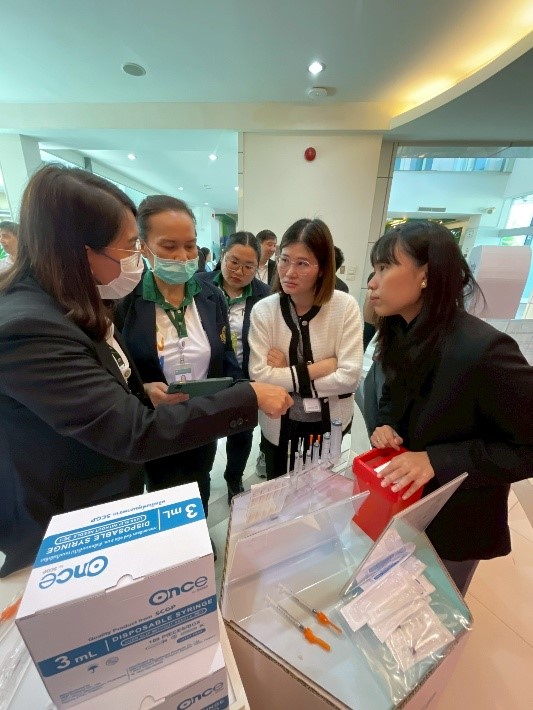
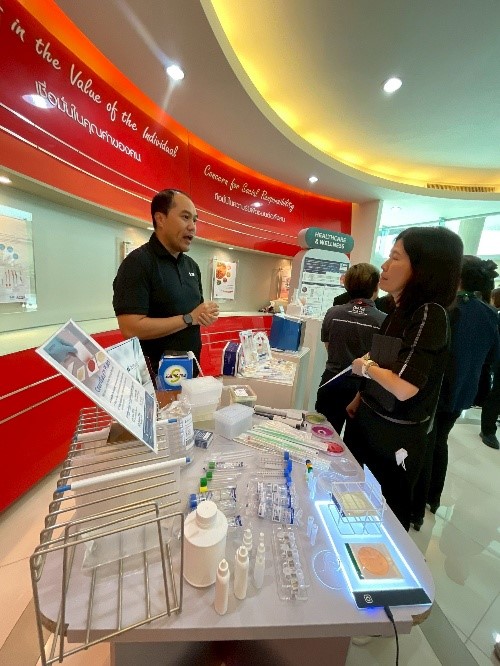
SCGP strengthens its collaboration with the Faculty of Medicine Vajira Hospital, Navamindradhiraj University, to advance research, innovation, and Healthcare products that address real-world clinical needs, enhance business value, and contribute to the development of Thailand’s public healthcare system. This collaboration follows the signing of a memorandum on research and innovation on 29 September 2025, with the objective of developing comprehensive medical products, services, and solutions from concept and design to testing and practical implementation in clinical settings. Discussions between both parties have led to the identification of 3 key areas of collaboration:

1. New Product Development (NPD)
For example, the design and improvement of medical sample collection products, disposable bed sheets with an enhanced fit to prevent slipping, and cervical collars tailored to the body proportions of Thai patients.

2. Lab Services
For example, biocompatibility testing for medical devices and the integration of SCGP’s laboratory network to support end-to-end medical product development.

3. Education and research to support sustainable growth
For example, organizing joint training programs to develop students and medical professionals in terms of innovation development knowledge, as well as providing training on the proper use of SCGP products such as syringes and needles, in order to enhance understanding and usage standards among students and healthcare personnel.

Related Contents

Loading Data...

SCGP Announces Strong 2025 Performance, Declares Dividend of 0.60 Baht per Share, Highlights Consumer Packaging, Using Robotics-Cobot-Automation to Enhance Production Efficiency

SCGP Announces Strong 2025 Performance, Declares Dividend of 0.60 Baht per Share, Highlights Consumer Packaging, Using Robotics-Cobot-Automation to Enhance Production Efficiency

Loading Data...
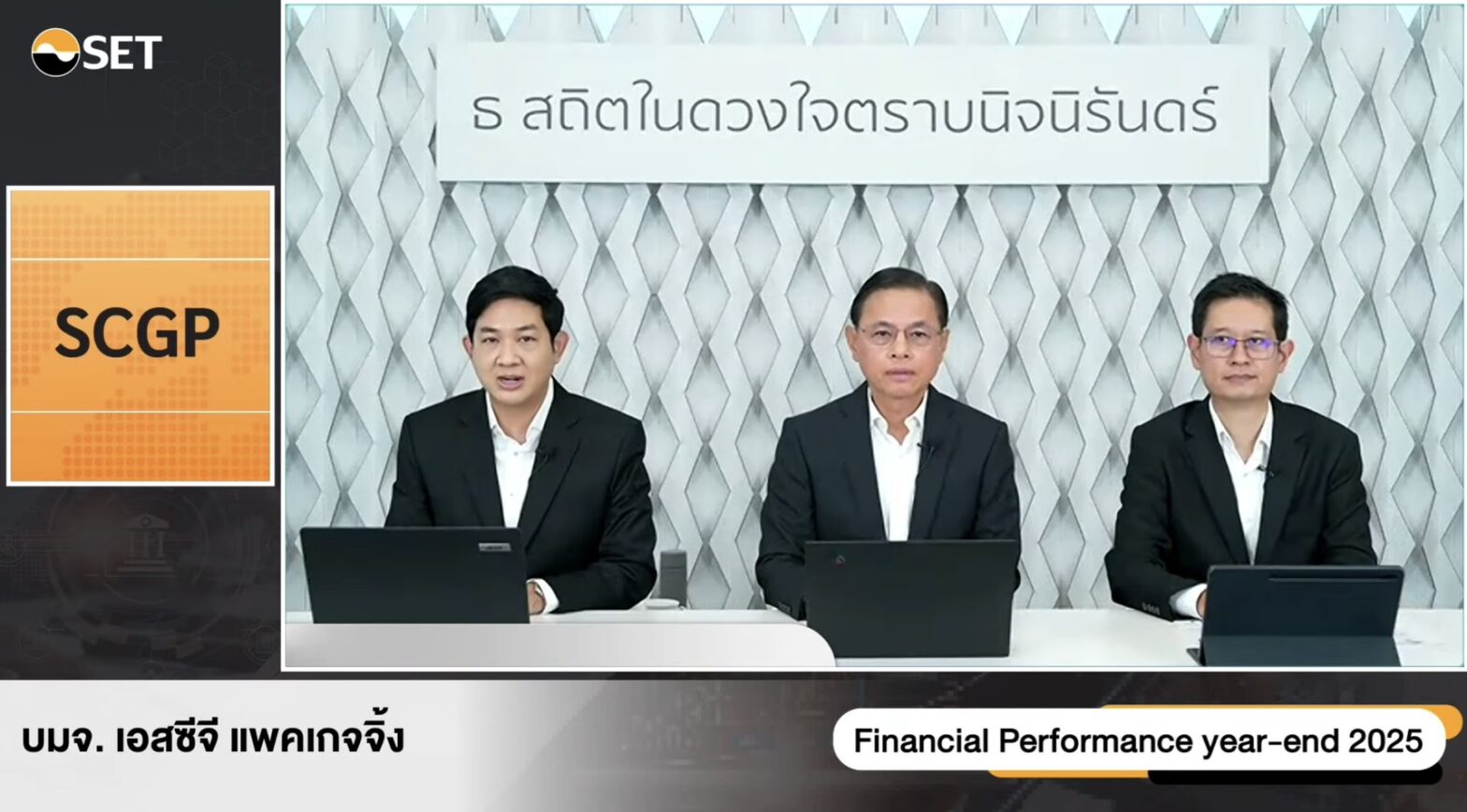
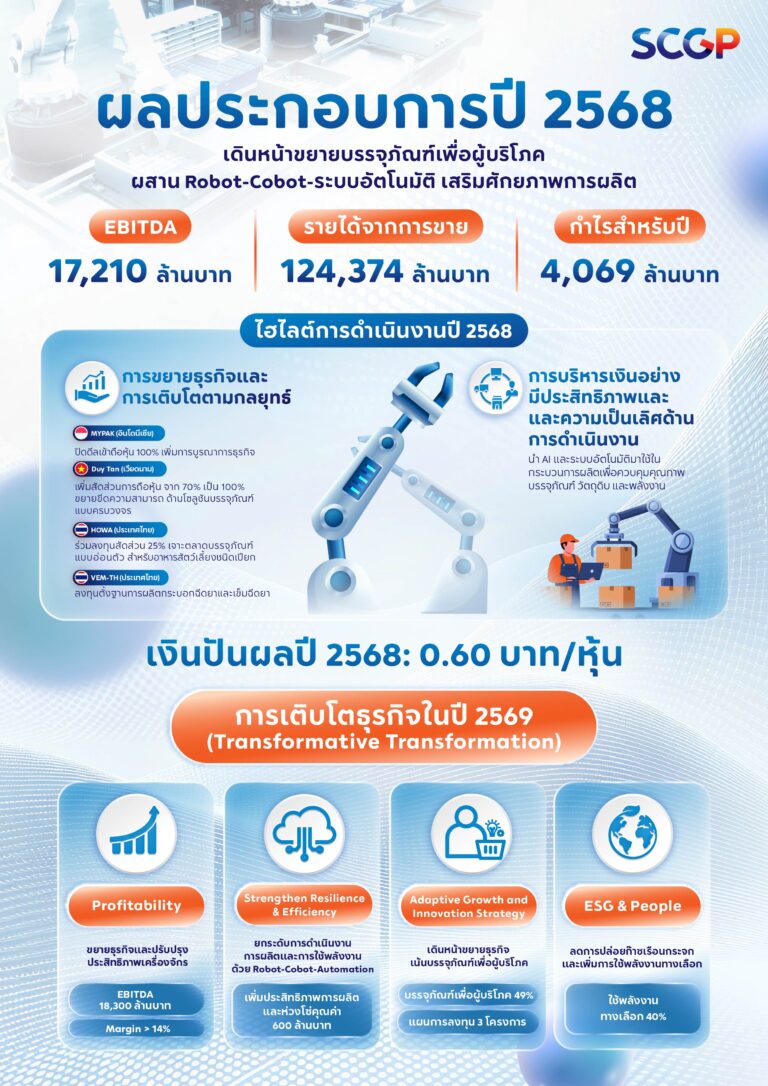
SCGP announced strong operating results for 2025, achieving total revenue from sales of Baht 124,374 million, EBITDA of Baht 17,210 million, and profit for the year of Baht 4,069 million. The performance was driven by continued growth in domestic consumption and exports, together with improved cost management efficiency. The Company plans to pay a dividend of 0.60 Baht per share. For 2026, SCGP has set a total investment budget of Baht 10,000 million and an EBITDA target of Baht 18,300 million. SCGP will continue to advance its strategy to expand consumer packaging businesses, integrate production across the entire value chain, exercise disciplined cost management, and enhance manufacturing efficiency through the adoption of robots, collaborative robots (cobots), and automation systems to strengthen competitiveness and deliver integrated solutions that meet customer needs.
Wichan Jitpukdee, Chief Executive Officer of SCG Packaging Public Company Limited or SCGP, said that the overall packaging industry outlook in 2025 indicates growing demand across the ASEAN region, driven by domestic consumption and export activities. However, packaging prices continue to face market pressure. In the fourth quarter of 2025, Vietnam and Indonesia recorded increased demand for food, beverage, and fast-moving consumer goods (FMCG) packaging, supported by strong economic growth, inventory buildup ahead of festive seasons, and a gradual recovery in demand for packaging paper from China. Meanwhile, demand in Thailand softened due to flooding and more cautious consumer spending.
SCGP continued to execute disciplined management practices, effective cost control, and agile adaptation to changing market conditions. These efforts resulted in higher sales volumes and improved capacity utilization. SCGP also continued to expand its consumer products and packaging businesses to enhance capability and strengthen its core businesses in line with its strategic plan. In 2025, SCGP completed several strategic investments, including the acquisition of a 100% stake in PT Prokemas Adhikari Kreasi (MYPAK), increasing its shareholding in Duy Tan Plastics Manufacturing Corporation (Duy Tan) from 70% to 100%, and entering into a 25% joint venture with Howa Sangyo Co., Ltd. (HOWA) from Japan to produce advanced flexible packaging for the wet pet food market. SCGP also invested in establishing a syringe production base with an annual capacity of 180 million syringes at the manufacturing facility of VEM (Thailand) Co., Ltd. SCGP also benefited from lower recovered paper costs and declining energy prices. However, due to a decrease in selling prices for packaging products, total revenue from sales in 2025 amounted to Baht 124,374 million, representing a decrease of 6%YoY. EBITDA reached Baht 17,210 million, increasing by 7%YoY, while profit for the year amounted to Baht 4,069 million, an increase of 10% YoY.
For the fourth quarter of 2025, SCGP reported total revenue from sales of Baht 30,170 million, a decrease of 3%YoY. EBITDA amounted to Baht 4,567 million, representing an increase of 61%YoY, while profit for the period was Baht 1,206 million, increasing YoY. The improvement was supported by a recent acquisition of MYPAK, reflecting the effectiveness of the Company’s investment strategy.
Previous slide
Next slide
The Board of Directors has resolved to propose to the Annual General Meeting of Shareholders for approval the payment of an annual dividend for 2025 at the rate of 0.60 Baht per share, of which 0.25 Baht per share was previously paid as an interim dividend on 27 August 2025. The final dividend payment of 0.35 Baht per share will be on 21 April 2026, record date of 1 April 2026, and XD-date of 31 March 2026.
Wichan added that the overall outlook for the packaging industry in the first quarter of 2026 is expected to remain growth, driven by continued growth in domestic consumption across ASEAN markets, a favorable ASEAN economic growth outlook, and increasing demand for packaging paper from China. Packaging prices and logistics costs are expected to remain stable. SCGP aims to increase the average capacity utilization rate of its packaging paper operations to approximately 90%, up from 87–91% in 2025. Sales volumes in Vietnam and Indonesia are expected to be broadly in line with the previous quarter, as Vietnam observes the Tet holiday period and Indonesia celebrates Hari Raya. Meanwhile, demand in Thailand is expected to receive support from the Songkran festival as well as economic stimulus measures following the formation of the new government.
SCGP has allocated a total investment budget of Baht 10,000 million for 2026, covering mergers and partnerships (M&P), business expansion, and machinery efficiency improvements, with a targeted EBITDA of Baht 18,300 million. SCGP sees opportunities to expand investments in Vietnam and Indonesia, as well as to broaden its market presence in India, where the overall economic outlook is expected to demonstrate strong and resilient growth. SCGP will prioritize investments in consumer packaging segments to enhance capabilities and strengthen production integration. In parallel, SCGP has set strategies to improve manufacturing efficiency and cost management through the adoption of robots, collaborative robots (cobots), and automation systems across production processes. These technologies will enable more reliable packaging quality control, improved raw material management, cost reduction, and consistent delivery of high-quality products to customers. The deployment of such technologies will be expanded further across overseas plants. In addition, SCGP continues to actively manage costs, including new strategic energy mix in Indonesia, with cost-saving benefits expected to be realized from January 2026 onward.
SCGP continues to drive its sustainability agenda across the entire value chain through collaboration with customers in the consumer goods and export packaging segments, encompassing 15 projects. These initiatives cover the development and enhancement of environmentally friendly packaging innovations, the recovery and reuse of resources for recycling, the co-development of automation systems to improve manufacturing efficiency, and the certification of Carbon Footprint of Products (CFP). In addition, SCGP has developed laboratory capabilities to provide testing and certification services for packaging paper in accordance with Thailand Green Label standards under the Thailand Environment Institute (TEI). SCGP has also applied the Extended Producer Responsibility (EPR) approach to promote efficient resource utilization throughout the product life cycle. These efforts support the SCGP’s commitment to controlling greenhouse gas emissions in line with its targets to reduce emissions by 25% by 2030 and to achieve Net Zero greenhouse gas emissions by 2050. SCGP’s sustainable business practices have been consistently recognized through a SET ESG Rating of “AAA”, the highest level awarded by the Stock Exchange of Thailand for three consecutive years, as well as the Best Sustainability Awards and the SET Awards of Honor: Best Innovative Company Awards for the fourth consecutive year. These recognitions reflect SCGP’s commitment to achieving quality growth alongside sustainable social and environmental responsibility.

News Release

Related Contents

Loading Data...

International Healthcare Products Co., Ltd. donates laboratory equipment to King Chulalongkorn Memorial Hospital

International Healthcare Products Co., Ltd. donates laboratory equipment to King Chulalongkorn Memorial Hospital

Loading Data...
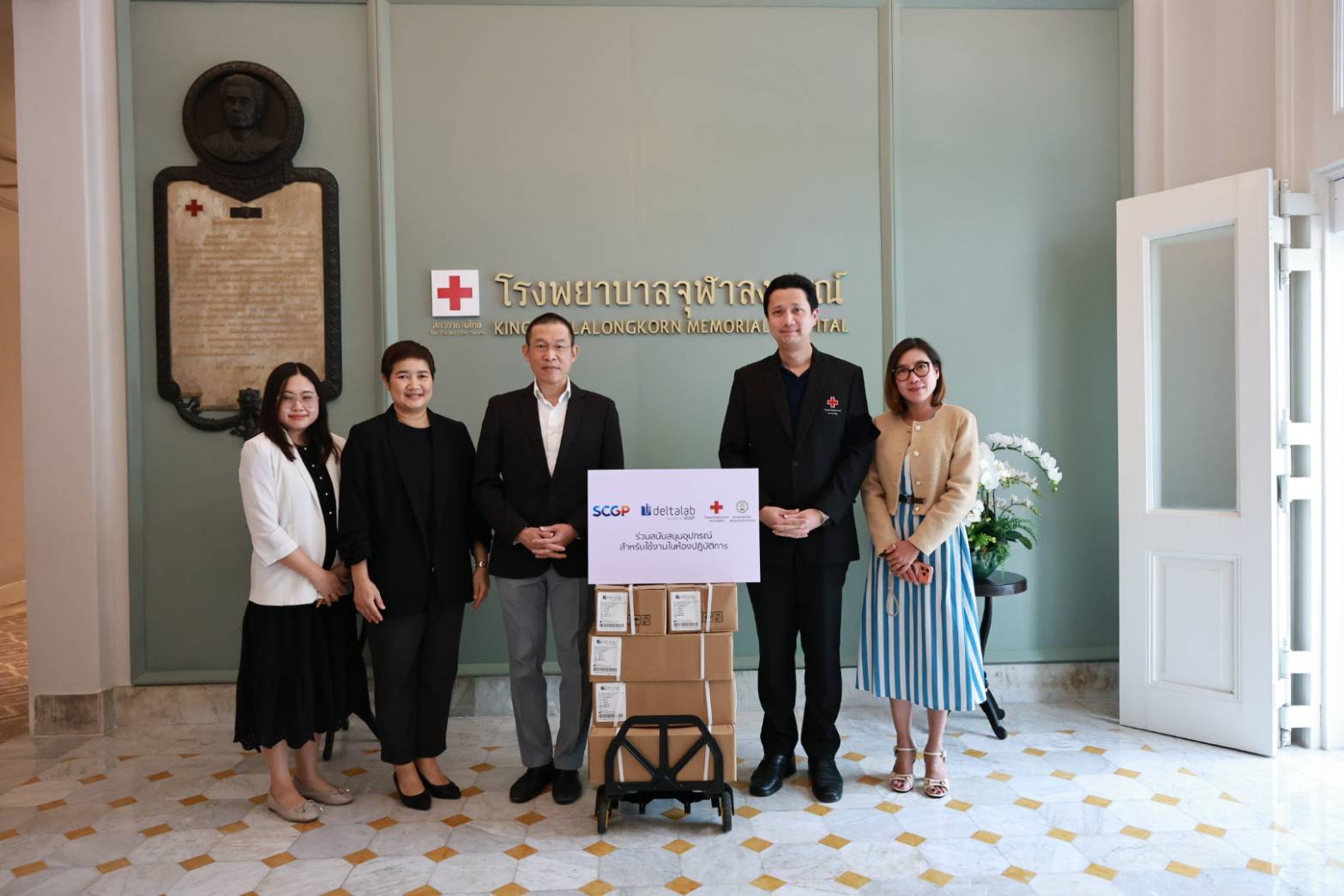
International Healthcare Products Company Limited in SCGP has donated laboratory equipment to King Chulalongkorn Memorial Hospital, The Thai Red Cross Society, to support patient testing, analysis, and diagnosis. This initiative aligns with the company’s commitment to conducting business alongside social responsibility by supporting the public healthcare sector and medical professionals, contributing to the improvement of people’s quality of life and strengthening the nation’s healthcare security.

Related Contents

Loading Data...