SCGP Newsroom

SCGP Drives Business with Data and AI, Enhancing Manufacturing, Customer Service, and Growth in the Digital Era
SCGP Drives Business with Data and AI, Enhancing Manufacturing, Customer Service, and Growth in the Digital Era

Loading Data...
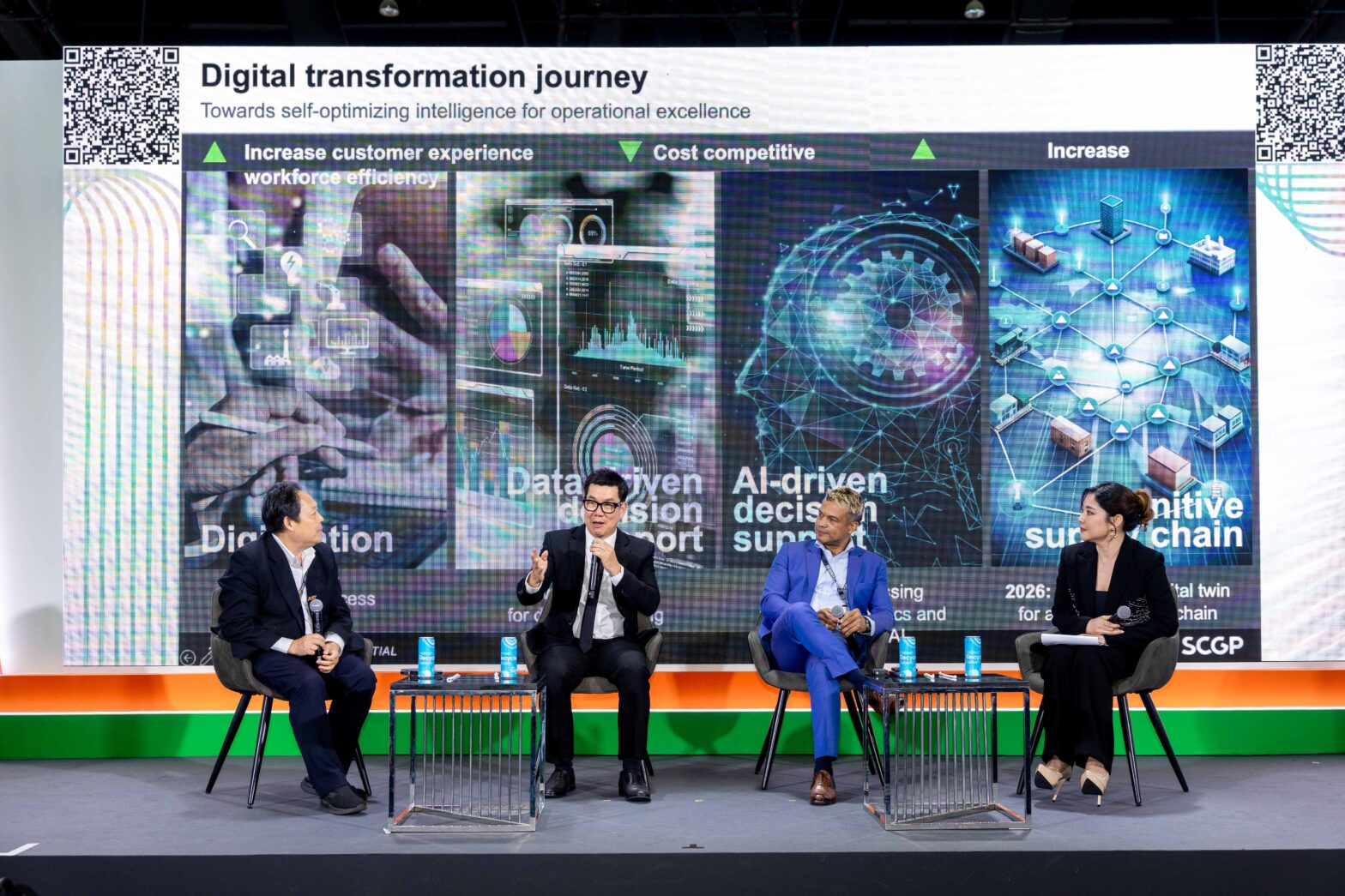
SCGP is leveraging Data and Artificial Intelligence (AI) to drive the transformation of the packaging industry, enhancing operational efficiency throughout the supply chain while developing products and services that better meet customer needs. This aligns with global megatrends in Artificial Intelligence (AI), Automation, and digital technologies, which are reshaping the industrial sector and becoming critical factors in strengthening long-term competitiveness. The company shared its vision during the seminar “AI in Packaging Manufacturing: From Data to Implementation” at ProPak Asia 2026.
Mr. Sompob Witworrasakul, Chief Technology Sustainability and Productivity Officer of SCG Packaging Public Company Limited, or SCGP, said that SCGP is driving the organization through Digital Transformation as part of its Transformative Transformation strategy, while advancing toward becoming a multinational consumer packaging solutions provider. The company offers a diverse portfolio of innovative products and services, covering Primary Packaging, which comes into direct contact with products; Secondary Packaging, which groups multiple product units together; and Tertiary Packaging for transportation and logistics. With manufacturing bases across multiple countries, each market presents different requirements and regulations. At the same time, operations throughout the supply chain involve vast amounts of data from various systems that must be effectively connected and managed. This has become a key turning point for SCGP to apply Data and AI to enhance operations and respond to customer needs with greater precision.

ProPak Asia K.Sompob
“AI has become one of the most significant trends in today’s business landscape. However, the key to successfully implementing AI lies in high-quality data. In the past, much of the data in the packaging industry existed in document form, making process improvements time-consuming. SCGP has therefore continuously invested in digitalizing its operations to establish a strong foundation for AI applications in analytics, forecasting, and business decision-making. Five years ago, AI was still relatively new, but today it has become an integral part of improving production efficiency, management processes, and value creation for customers,” Mr. Sompob said.
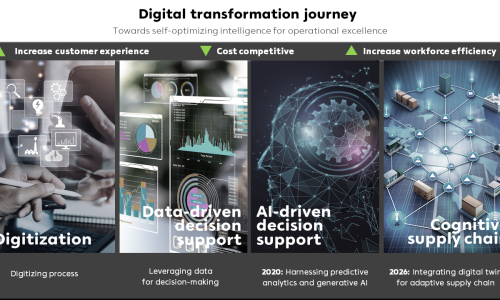
SCGP_ProPak Digital transformation
SCGP applies AI to create value for both its business and customers in various ways. One example is the development of its Customer Order Management system, which integrates E-Ordering, Cross-Plant Allocation Planning, and Production Scheduling with real-time data throughout the entire process. This enables the system to analyze customer demand, connect orders directly to operational workflows, and automatically allocate production capacity from the most suitable factories. It also manages inventory levels and updates critical information, allowing the company to respond more quickly to customer requirements while delivering high-quality products and services on time.
In terms of Cross-Plant Allocation Planning, SCGP manages and allocates customer orders across its 15 manufacturing facilities. Previously, determining which factory should produce each customer order required extensive data analysis and considerable time. Today, AI can automatically analyze order information, production capacity at each plant, transportation distances between factories and customers, delivery lead times, and costs to identify the most suitable production site. This enables on-time delivery, improves resource utilization, and enhances flexibility in accommodating a wider variety of customer orders.
Another example of AI implementation in manufacturing is Paper Quality Prediction. SCGP has invested in sensor systems and digital technologies while developing an AI-based Paper Strength Predictive Model to analyze factors affecting paper quality and strength. This enables the company to predict quality in advance, monitor performance in real time, and accurately adjust production parameters. As a result, product quality can be maintained consistently while reducing losses in the manufacturing process.
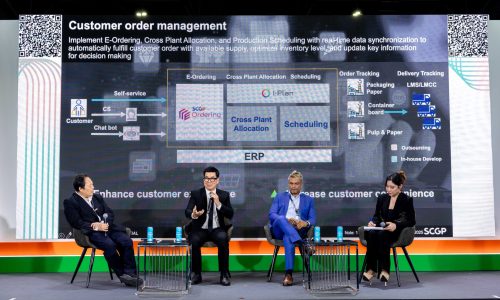
ProPak Asia Customer order management

In addition, SCGP combines the strengths of people and technology through Human–AI Collaborative Operations. AI is used to analyze production data, optimize machine settings, and predict preventive maintenance requirements to reduce the risk of production disruptions. Meanwhile, Robots, Automation systems, and Collaborative Robots (Cobots) are deployed for repetitive tasks or operations requiring high continuity. This allows employees to focus on work that requires specialized skills, expertise, and complex decision-making, resulting in more efficient, safer, and more agile operations.

Mr. Sompob added that SCGP also places great importance on workforce development to foster a data-driven and innovation-focused culture throughout the organization. The company encourages employees to apply technology to continuously improve work processes. Currently, more than 2,500 employees are capable of applying AI in their work, and SCGP aims to expand the number of AI users to over 4,000 across the organization. At the same time, the company plans to develop more than 1,000 employees with the capability to build and further develop AI solutions independently. These efforts are intended to enhance operational efficiency across all functions and strengthen the company’s competitiveness amid rapid changes in the digital business landscape.
The seminar also featured an exchange of perspectives on the role and importance of AI in the industrial sector. Speakers highlighted that AI plays a crucial role in enhancing operations throughout the value chain and serves as a key mechanism for advancing the industry toward modern, flexible manufacturing systems that are prepared for future changes. Therefore, learning about AI and seriously adopting it from today onward represents an important step in strengthening competitiveness and driving sustainable growth in the business world.
SCGP_SCGP Products

News Release

Related Contents

Loading Data...
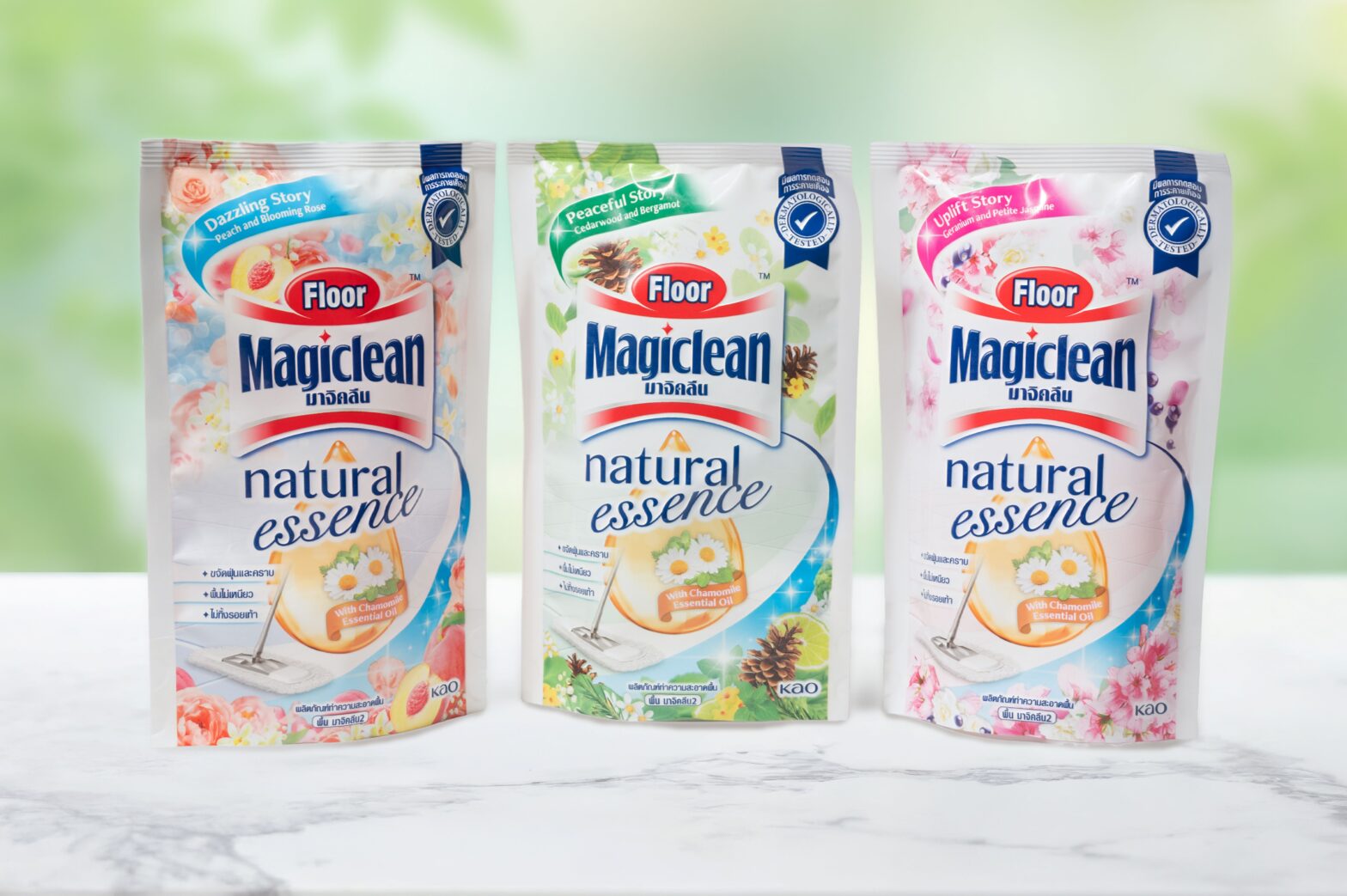
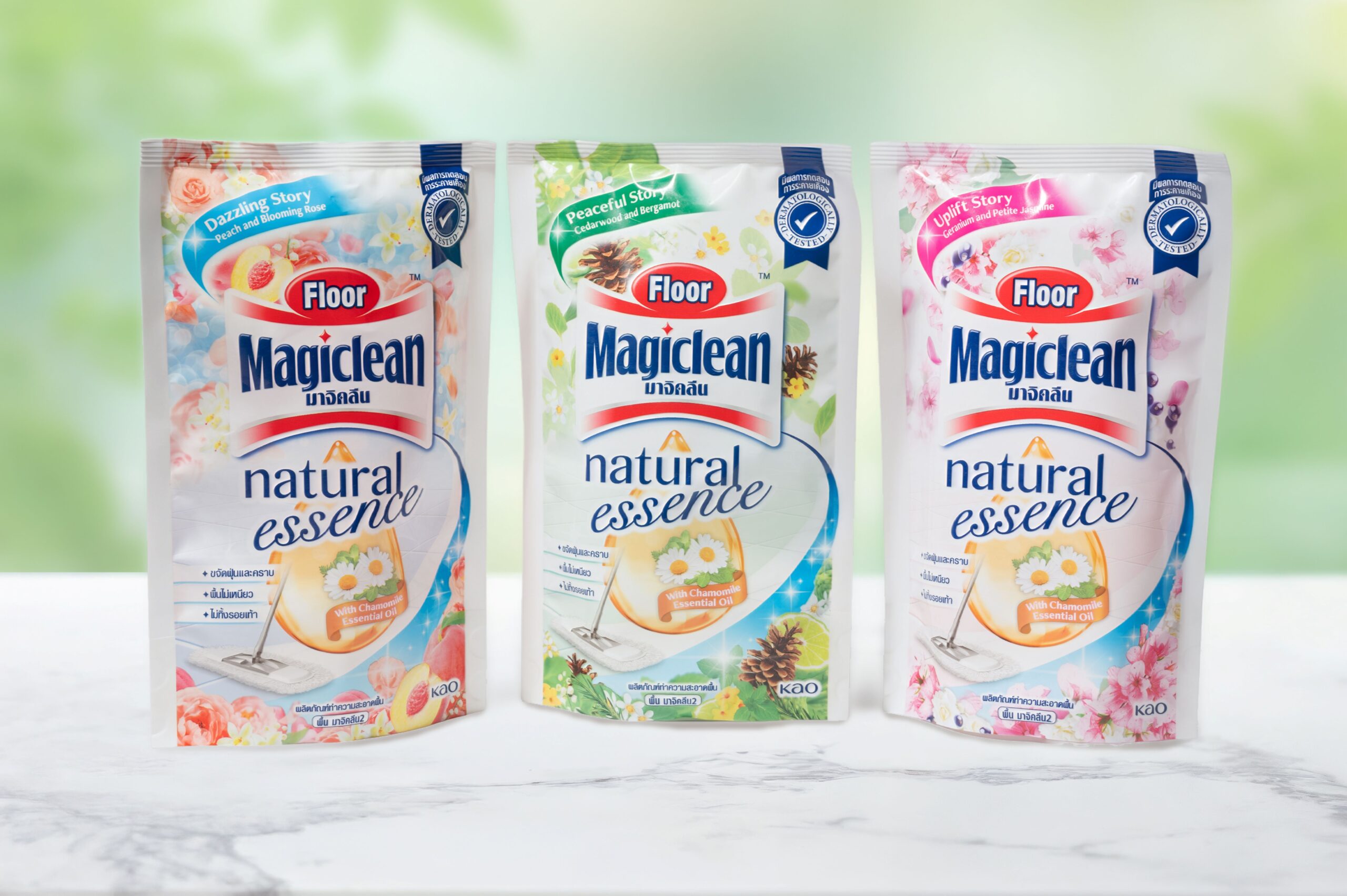
Kao Thailand, SCGP, SCGC, and Dow Unveil Magiclean Refill Packaging Breakthrough, Driving Mono-Material Innovation for Recyclability

Kao Thailand, SCGP, SCGC and Dow Unveil Magiclean Refill Packaging Breakthrough, Driving Mono-Material Innovation for Recyclability

Loading Data...
BANGKOK – 22 June 2026 – Kao Industrial (Thailand) Co., Ltd., SCG Packaging Public Company Limited (SCGP), SCG Chemicals Public Company Limited (SCGC) and Dow Thailand Group have jointly announced the successful development of a new mono-material refill bag designed for recyclability for the Magiclean Floor Cleaner Natural Essence 700ml. This innovation transforms traditional multi-layer flexible packaging made from multiple materials into a single-material design, enabling 100% of the packaging to be recyclable¹ and compatible with polyethylene mechanical recycling streams in Thailand where collection and recycling facilities exist.
This new design improves post-use management and is expected to increase recycling potential by approximately 18 tons per year.² It represents a significant advancement in sustainable packaging innovation and reinforces the shared commitment of all four organizations to support Thailand’s transition toward a circular economy. The product has been commercially available since June 2026.
The development reflects Kao’s strong sustainability commitment, combined with SCGP’s expertise in packaging structure design and film development, SCGC’s integrated solutions, and Dow’s expertise in high-performance materials. The collaboration successfully converts multi-material flexible packaging into mono-material structures, enabling efficient recycling through mechanical recycling processes while maintaining product performance and packaging quality.
For Kao, a leading manufacturer of consumer products in Thailand, the introduction of this packaging aligns with its long-term environmental goals, including designing all packaging for recyclability by 2027 and achieving net zero plastic packaging waste by 2040. Integrating mono-material packaging into the Magiclean brand underscores Kao’s commitment to responsible innovation across its product portfolio.
“Kao continues to develop environmentally friendly packaging in line with our ESG strategies or Kirei Lifestyle Plan and the 4Rs principles — Reduce, Reuse, Recycle, and Replace. Magiclean floor cleaner is one of our successful products in the market, and we aim to build on that success by making it easier for environmentally conscious consumers to participate — without changing their daily behavior. Simply choosing Kao products can contribute to greater environmental care. This development is therefore not only about packaging improvement but also about creating a positive impact for consumers and the environment,” said Akira Nishimaki, President of Kao Industrial (Thailand) Co., Ltd.
“SCGP leverages its expertise in packaging structure design and film development — ranging from film formulation research and development, and production process optimization, to real-use testing — while integrating advanced manufacturing technologies to enhance production efficiency. This enables us to successfully transition flexible packaging from multi-material to mono-material structures, which is a highly challenging task given the specific product requirements. Our team worked extensively to ensure that the new packaging maintains strength, durability, and compatibility with customers’ existing forming processes. This collaboration demonstrates a strong commitment among partners to elevate packaging performance and sustainability simultaneously, and it can be extended to other consumer product categories to scale packaging designed for recyclability and support the circular economy,” said Ekaraj Niroj, Chief Customer Officer of SCGP
SCGP_CCO_คุณเอกราช นิโรจน์
“SCGC focuses on developing polymer innovations and sustainability solutions to deliver high-performance resins that meet customer needs comprehensively, alongside advancing recycling technologies to maximize the value of post-consumer plastics in line with circular economy principles. For this project, the key challenge was to use a single material across all packaging layers. In the printing layer, SCGC developed SCGC™ HDPE H619F, a high-density polyethylene resin that provides strength, shape retention, and excellent printability with vibrant and durable colors. This enables the packaging to be 100% recyclable¹, supporting the return of used plastics into the system and aligning with sustainability strategies, as well as Thailand’s goals toward a circular economy and carbon neutrality,” said Sakchai Patiparnpreechavud, Chief Executive Officer and President of SCGC
“INNATE™ TF80 and AFFINITY™ high-performance polyethylene resins from Dow, used in the sealant layer, help enhance packaging strength, durability, and product protection throughout its shelf life, while enabling a design that considers end-of-life management. This achievement demonstrates the role of materials science in supporting our customers to meet their sustainability goals and accelerating Thailand’s transition toward a circular economy,” said Vichan Tangkengsirisin, Dow Thailand President
This product development builds on previously signed collaboration agreements, including the MOU between Kao, SCGC, and Dow to develop circular packaging materials, as well as the collaboration between Kao and SCGP to introduce advanced product innovations and sustainable solutions for consumers. All four organizations aim to empower players across the value chain, including consumers to strengthen the circular economy and build a more sustainable future for generations to come through choosing packaging designed for recyclability, proper disposal of packaging, and appropriate waste segregation.

¹ Recyclability is subject to the availability of collection and recycling systems in each local area.

² Estimated based on the actual volume of refill pouch usage in 2025 (B.E. 2568).

Related Contents

Loading Data...

SCGP Enhances Future Readiness with Innovation and Collaboration for Sustainable Packaging amid Evolving Global Business Regulations

SCGP Enhances Future Readiness with Innovation and Collaboration for Sustainable Packaging amid Evolving Global Business Regulations

Loading Data...
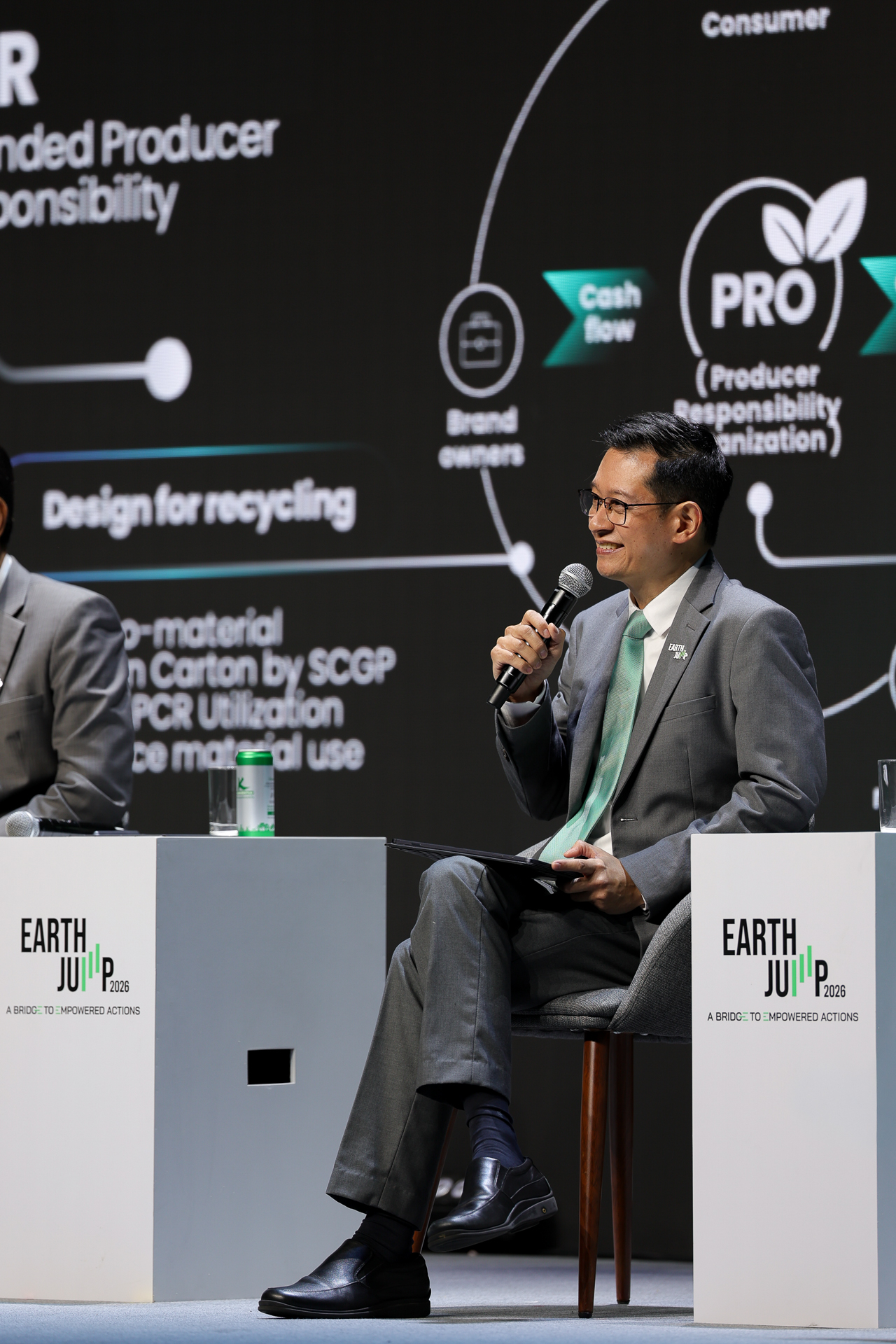
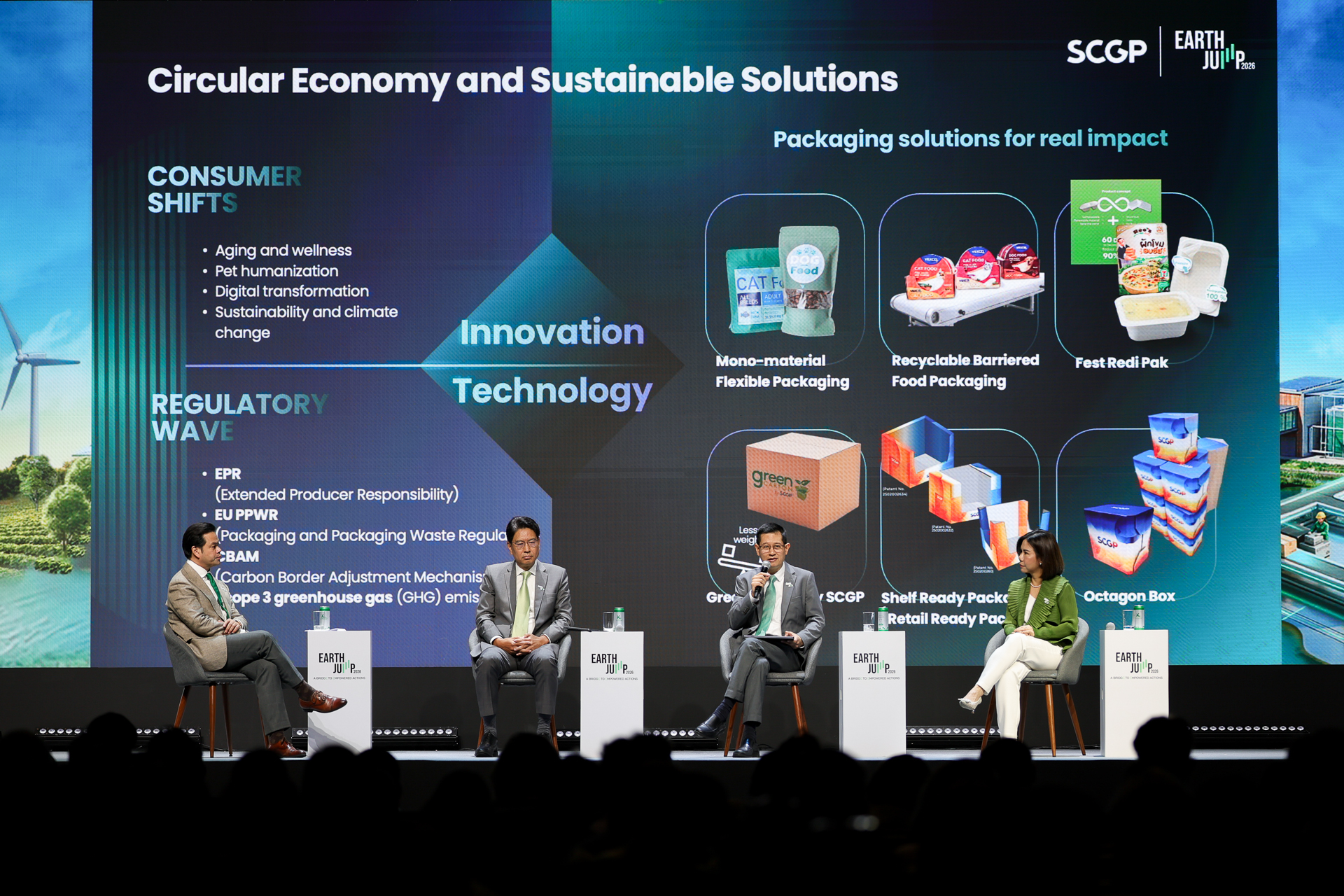
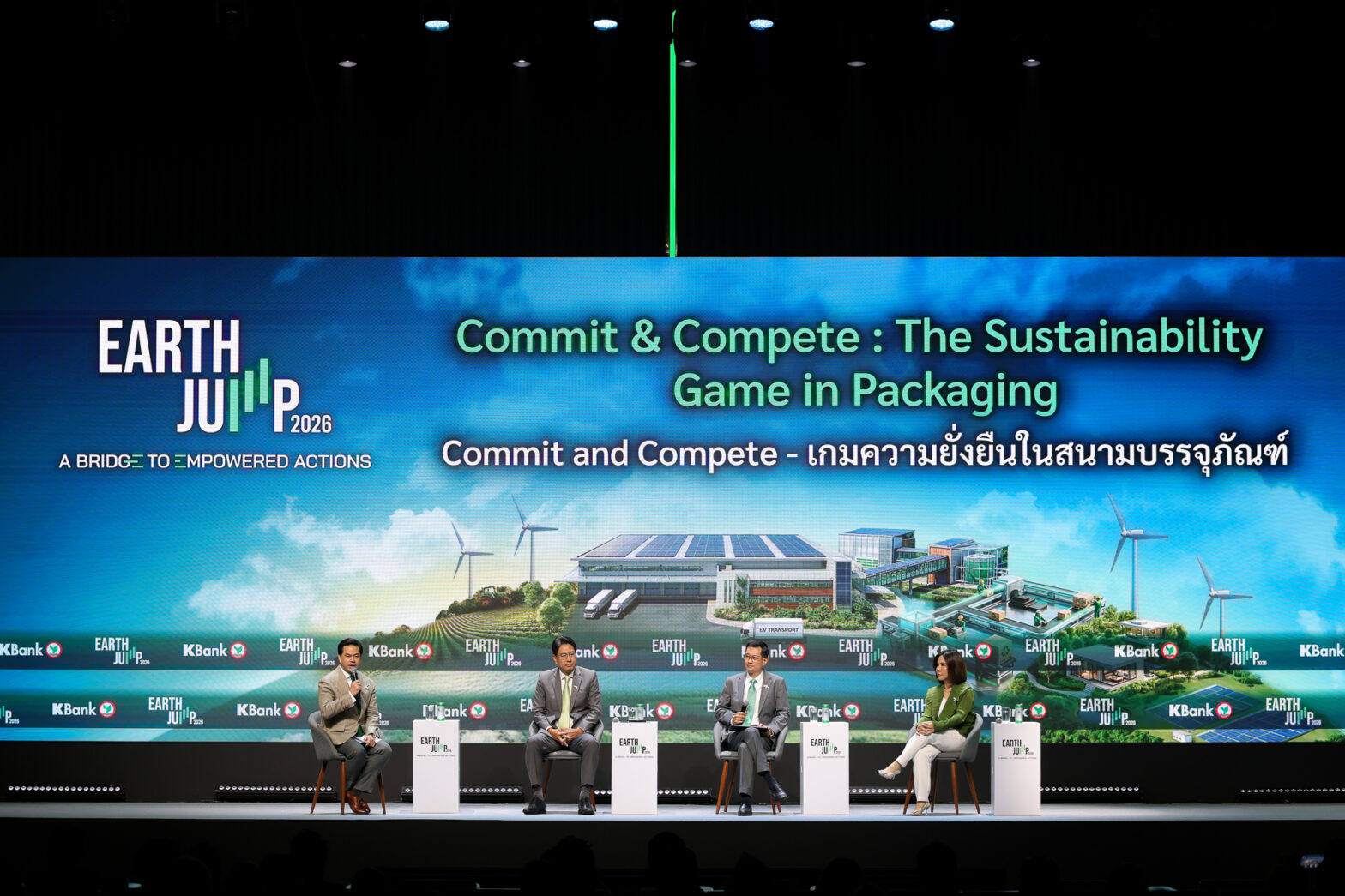
SCGP presented its perspective on transforming environmental requirements into value-creating tools that enhance competitiveness and drive businesses to adapt to increasingly stringent global regulations through sustainable packaging. The company emphasized that “innovation and collaboration” are key factors in helping Thai businesses elevate standards and grow in international markets. These insights were shared at EARTH JUMP 2026: A Bridge to Empowered Actions, during the session titled “Commit and Compete: The Sustainability Game in the Packaging Arena,” organized by KBANK.
Danaidej Ketsuwan, Chief Financial Officer, SCG Packaging Public Company Limited or SCGP, stated that the packaging industry is facing significant changes driven by environmental regulations and growing sustainability demands worldwide. One key development is the implementation of Extended Producer Responsibility (EPR) regulations, which require manufacturers and importers to take responsibility for packaging throughout its post-consumer lifecycle. This serves as a strong signal for the industry to shift its role from focusing solely on production to managing resources across the entire value chain, while developing new solutions to meet customer needs and enhance competitiveness.
SCGP has proactively adapted to these emerging global requirements through its Design for Recycling approach, which focuses on reducing material usage and considering recyclability from the design stage. For example, Go-Pak UK Limited, SCGP’s foodservice packaging business in the United Kingdom, has focused on reducing EPR costs by developing more environmentally friendly packaging. This includes the use of rPET (Recycled PET Resin) for recyclable plastic packaging and recycled paper for non-food-contact applications such as coffee cup sleeves. In addition, the company has developed a Recycling Network under the Individual Producer Responsibility (IPR) principle to systematically collect and recycle used packaging materials.
Danaidej further explained, “Packaging serves at least three functions: 1) Protect products, 2) Preserve product quality, and 3) Promote and communicate product value. However, once these functions have been fulfilled, the responsibility of the industry does not end. The best approach to managing used packaging is to maximize its value through reuse or recycling. This is the essence of the Circular Economy. Today, SCGP has developed paper packaging that is 100% recyclable, and 93% of the raw materials used in its paper packaging business are recycled materials.”
Beyond regulations and compliance requirements, consumer behavior is another important factor shaping the future of the packaging industry. SCGP sees growth opportunities through four major trends: 1) Aging Society, where consumers place greater emphasis on health, convenience, safety, hygiene, and transparency; 2) Pet Harmonization, where pets are increasingly treated as family members; 3) Digital Transformation, which drives demand for faster and more relevant information, with packaging serving as an important communication channel; and 4) Sustainability, where consumers increasingly seek opportunities to participate in reducing environmental impacts.
In response to these trends, SCGP continues to develop innovations and technologies in collaboration with customers to deliver products that meet the needs of consumers and global markets. Examples include Mono-Material Flexible Packaging, a flexible packaging solution made from a single type of plastic that is easier to recycle, and Fest Redi Pak, a chilled, frozen food, and ready-meal packaging solution made from fiber coated with a plastic film that can be peeled, separated, and disposed of for recycling, encouraging consumer participation in environmental stewardship.
In the paper packaging segment, SCGP has also developed Green Carton by SCGP, an innovative corrugated packaging solution that has been continuously improved for more than ten years. By utilizing advanced technologies, the company has reduced paper usage and box weight while maintaining performance, helping lower energy consumption in production and transportation as well as reducing overall costs. Other innovations include Shelf-Ready Packaging, which can be opened along perforated lines and placed directly on retail shelves upon delivery, and Octagon, an eight-sided box design that enhances transportation strength while reducing material consumption. These examples demonstrate how innovation and technology can create added value, improve resource efficiency, and reduce environmental impact.
At EARTH JUMP 2026, representatives from various organizations shared perspectives and collaborative approaches to accelerate tangible action, or Commit, while strengthening competitiveness, or Compete, in the evolving business landscape. At the organizational level, businesses must plan and adapt operations across their supply chains to reduce risks, improve resilience, and create growth opportunities. At the industry level, advancing the Circular Economy requires cooperation from all stakeholders, including packaging manufacturers, brand owners, government agencies, distributors, waste management service providers, and consumers, to collectively build a packaging ecosystem that is both competitive and sustainable.

News Release

Related Contents

Loading Data...
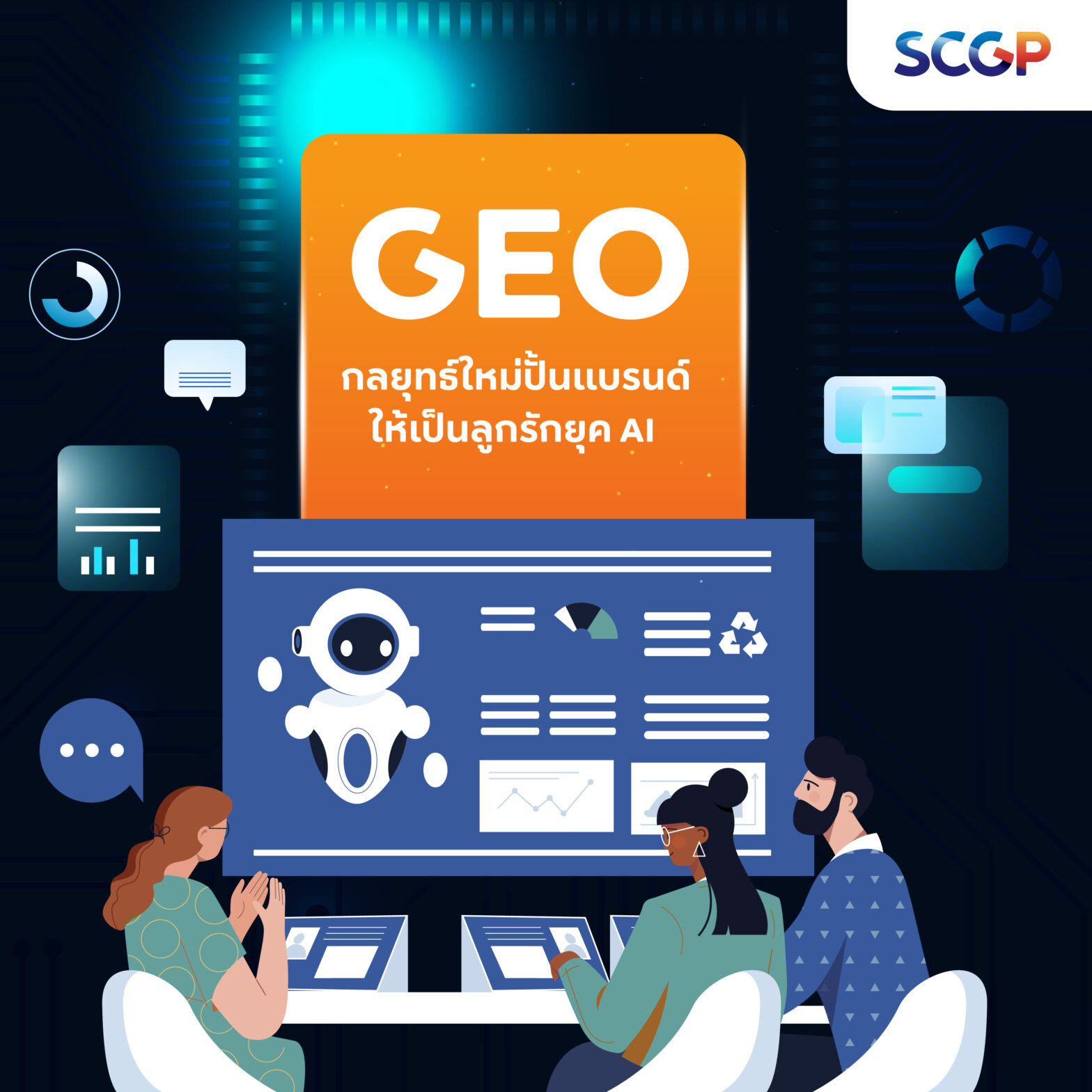
GEO: New Strategy to Turn Your Brand into AI’s Favorite

Spotlight

GEO: New Strategy to Turn Your Brand into AI’s Favorite

Loading Data...

In today’s competitive landscape, brands that stay visible survive. Marketers therefore need to use every tool to push through platform filters and reach out to consumers.

As the world enters the AI era, digital search behavior is shifting toward zero-click, where users rely on the first AI-generated answer instead of clicking links. Brands must update their strategies to meet this challenge because if they don’t appear in those answers, they risk losing significant revenue and becoming invisible losers.

What is GEO? How Should Brands Get Started in AI Era?

GEO or Generative Engine Optimization is a strategy for optimizing content so that generative AI models (LLMs) such as ChatGPT and Gemini choose to reference it when generating direct answers for users. A study by Princeton University found that using GEO can increase the likelihood of being cited by AI by up to 40 percent. When these findings are combined with insights from Backlinko, a leading global marketing intelligence source, there are three fundamental GEO approaches to follow:

  1. Create Content AI Finds Reliable: AI does not prioritize fame or popularity of sources. Rather, it focuses on citing credible, high-quality information that answers its users’ needs. Taken into account are a verifiable author profile, reliable supporting evidence (images, videos, statistics, research, expert quotes), and clear, concise writing. Publishing original, exclusive information that can’t be found elsewhere (e.g. product information or privileges) helps position your brand as a primary source for AI. A strong digital presence reinforced by third parties through positive reviews, creator mentions, and references on external websites further strengthens credibility.
  2. Design Proper Data Structure: AI does not read content the way humans do, so organizing information in a machine-friendly format is essential. Useful techniques include schema markup (data labels embedded in HTML source code) and FAQ/Q&A-style content.
  3. Monitor AI’s Perspective: Brands should check their presence or reputation on AI platforms at least once a month and use the insights to improve. The regular checks also help prevent damage from misinformation or negative content that can emerge at any time. Competing for AI’s favor isn’t always fair. Reddit users, who want to avoid long queues at their favorite places, used to manipulate restaurant data by creating positive reviews for places they didn’t want to eat, so AI would recommend those instead. While not a direct attack on a brand, it highlights how AI can be influenced and distort brand perceptions.

Will GEO Wipe Out SEO?

Although GEO has become a marketing buzzword in the AI era, it was never meant to replace SEO (Search Engine Optimization). In practice, GEO shares the same foundations as SEO—such as creating high-quality content aligned with E-E-A-T principles and using familiar techniques like schema markup. Therefore, a brand’s path forward in a world where AI becomes another “customer” is not choosing between GEO or SEO—but integrating both. Your goal should no longer just be about appearing first on a Google search. It’s time to build visibility that AI can understand and trust. That’s how your brand will confidently surface as the answer when consumers make their decisions.  

เนื้อหาที่เกี่ยวข้อง

Loading Data...

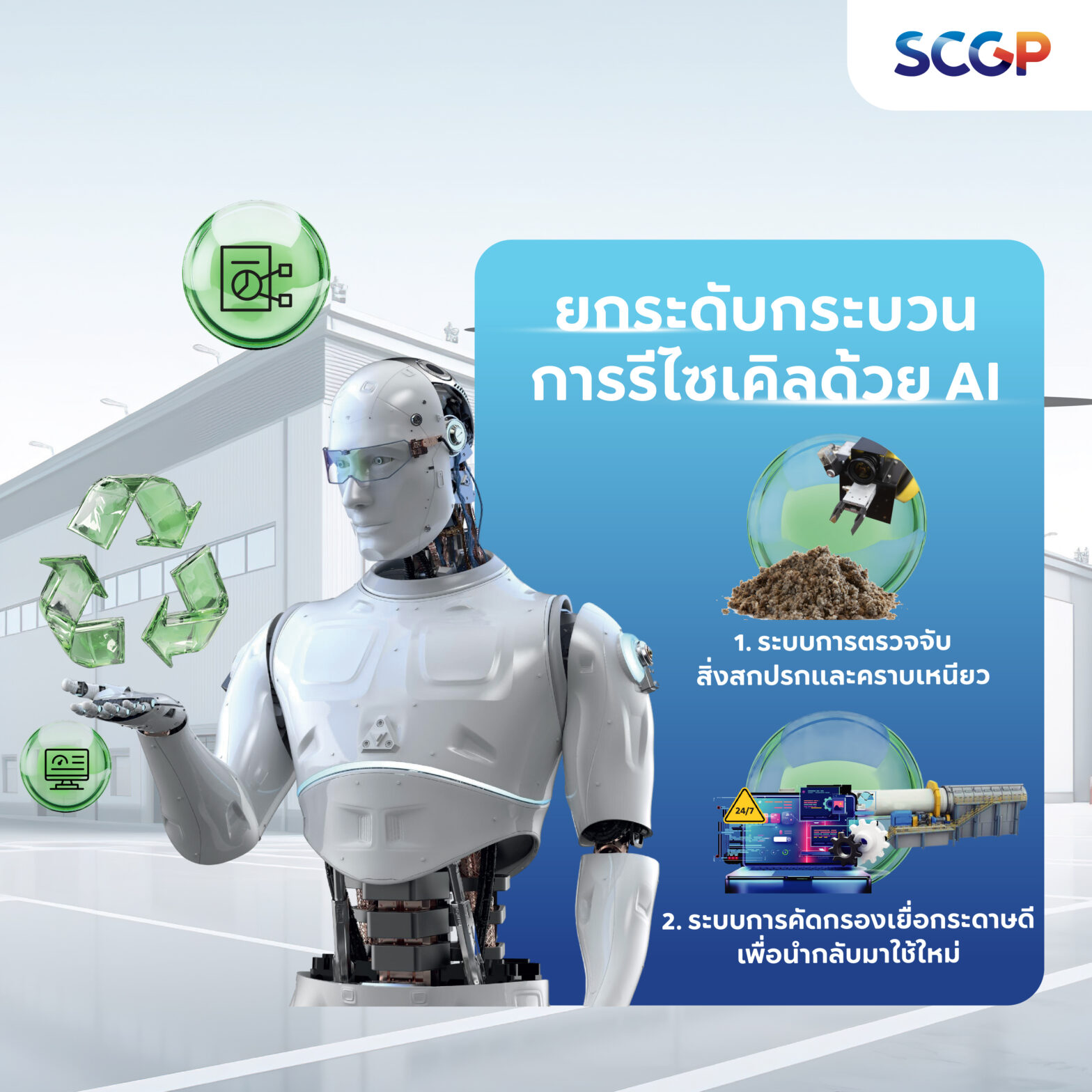
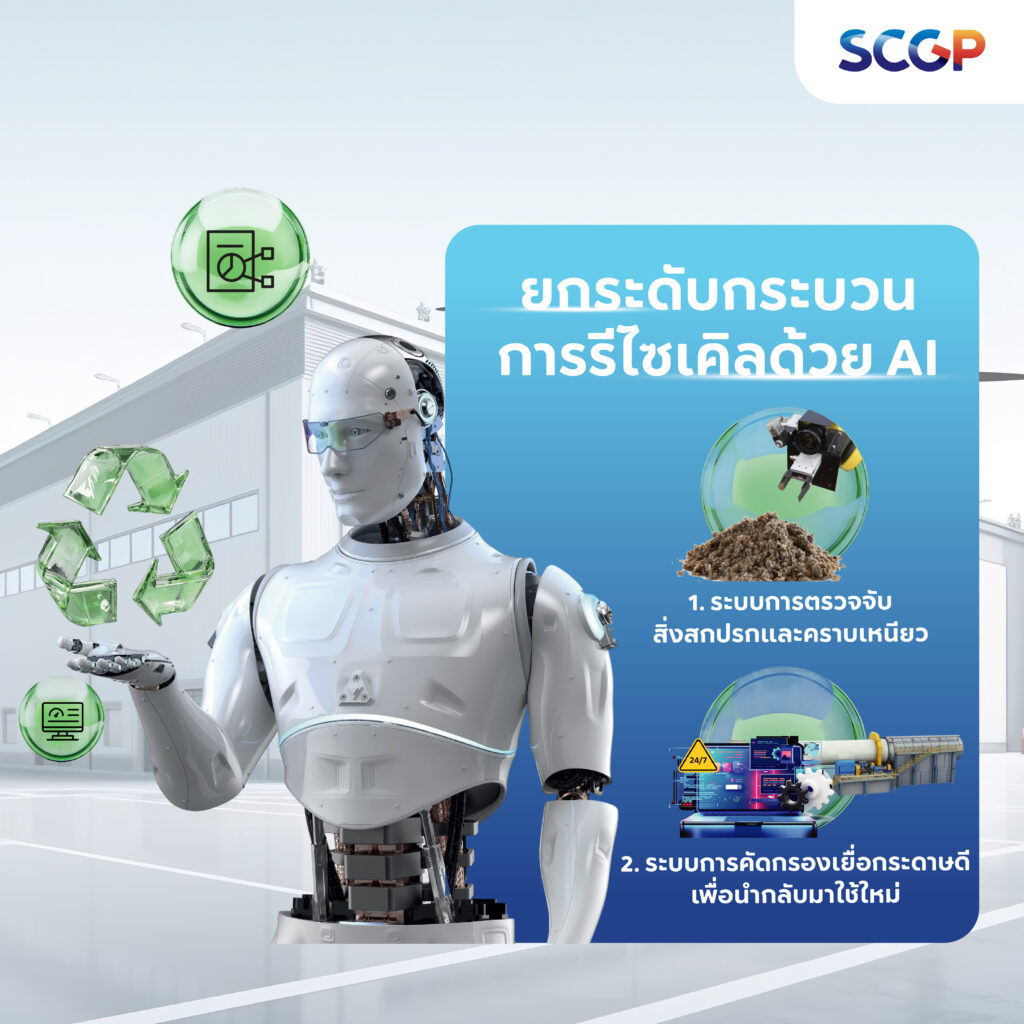
SCGP elevates recycling process with Artificial Intelligence (AI)

Spotlight

SCGP elevates recycling process with Artificial Intelligence (AI)

Loading Data...

Today, Artificial Intelligence (AI) plays a pivotal role in business operations thanks to its ability to achieve greater accuracy, speed, and efficiency. Now that businesses become increasingly focused on ESG principles, AI proves it can help generate profit in the short run and drive a smart value chain in the long run.

AI: New Sustainability DNA

SCGP has integrated AI into business processes across all dimensions to upgrade manufacturing and resource efficiency, and also to tangibly lower environmental impacts. One clear example of how AI is being leveraged to advance sustainability is the development of an AI system for the Stock Preparation Process—the stage at which recycled pulp is prepared before entering the paper manufacturing machinery.

Stock Preparation lies at the core of recycled paper production, as the removal of contaminants and the adjustment of pulp properties for product cleanliness and consistency are critical variables that directly affect paper quality. SCGP therefore combines its expertise and hands-on experience of its engineers—who possess a deep, practical understanding of the production process—with AI development to strengthen quality control and upgrade the proactive work process.


AI-ENABLED SYSTEMS DEVELOPED AND USED BY SCGP

  1. Dirt and Sticky Detection System: It analyzes real-time camera images to detect contaminants, dirt, and sticky residues, enabling immediate process adjustments. As a result, the system helps prevent waste and production loss time caused by contaminants or sticky substances in products.
  2. Screening System for Good Pulp in Recycling Process: Leveraging AI and Machine Vision, this system detects and quantifies the amount of usable pulp to prevent them from being inadvertently removed along with contaminants or lost at various stages of the work process. The system recovers this good material for recycling and enables machinery to automatically adjust operations as soon as losses are identified.


VALUE CHAIN THAT BENEFITS EVERYONE
Quality: High-quality recycled paper with consistent color and surface texture, free from blemishes, ensures smooth and beautiful prints. It also creates customer satisfaction and confidence.

Sustainability: The pulp recovery and recycling rate reached 92.8 percent (2025 data), reflecting the efficient use of resources.

AI adoption underscores SCGP’s commitment to continuously developing future-ready solutions and demonstrates its dedication to driving business with environmental and social responsibility—paving the way for meaningful, positive change for the environment, society, and the world. 


Source: a LOT Newsletter Vol.38

เนื้อหาที่เกี่ยวข้อง

Loading Data...

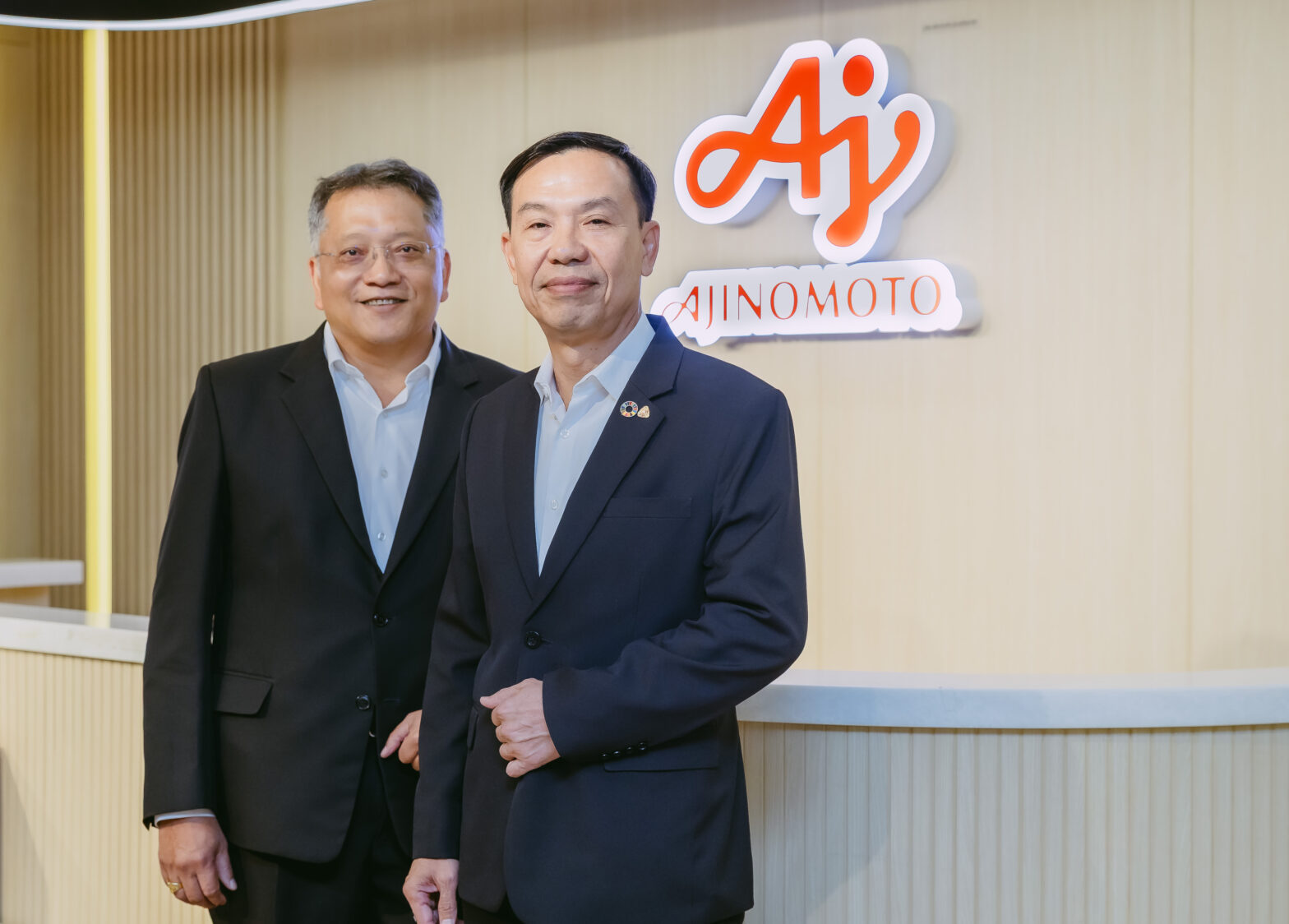
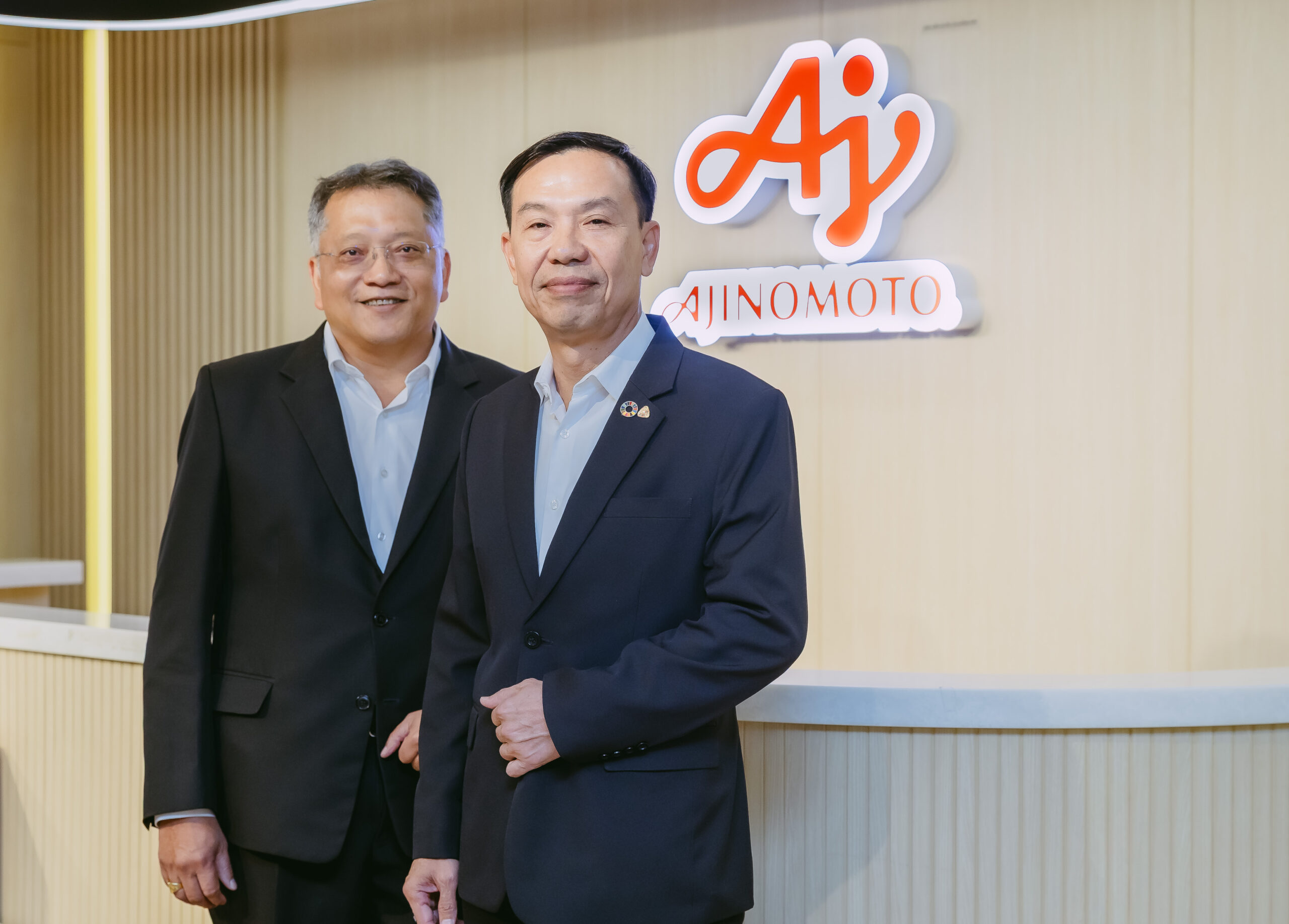
SCGP Partners with Ajinomoto (Thailand) to Drive Systematic Paper Recycling Creating Shared Value Through Circular Economy Principles

SCGP Partners with Ajinomoto (Thailand) to Drive Systematic Paper Recycling Creating Shared Value Through Circular Economy Principles

Loading Data...
SCGP has partnered with Ajinomoto (Thailand) to sign a Memorandum of Sustainability Development and Circular Economy, reinforcing their commitment to systematic and sustainable post-consumer packaging management. The collaboration integrates both companies’ expertise in managing used packaging and paper waste, transforming them into new value under Circular Economy principles. The initiative aims to reduce the use of virgin resources, minimize waste generation, and reduce long-term environmental impacts.
Mr. Ekaraj Niroj, Chief Customer Officer, SCG Packaging Public Company Limited, SCGP, stated that SCGP conducts its business in line with ESG and Circular Economy by maximizing resource efficiency throughout the entire lifecycle, from design and production to usage and recycling back into new raw materials. The company has continuously developed sustainable packaging solutions in collaboration with customers.

SCGP and Ajinomoto (Thailand) have worked closely together to advance sustainability through various initiatives, including Green Carton Innovation, which helps reduce material usage while maintaining packaging strength; the continuous use of FSCTM certified packaging since 2021 (FSCTM C135609); the promotion of electric vehicle (EV) trucks for transportation; and support for reducing product carbon footprints through the use of biomass energy in manufacturing processes. This latest collaboration marks another important step toward advancing systematic solutions for post-consumer packaging management. Under the partnership, SCGP will purchase used corrugated boxes and paper waste from Ajinomoto (Thailand) for recycling, upcycling, or reuse, creating new value while reducing reliance on virgin resources and further driving the Circular Economy into practical implementation.

Dr. Thongdee Paso, Managing Director, Ajinomoto Co., (Thailand) Ltd., said that the company operates under the philosophy of Ajinomoto Group Creating Shared Value (ASV) alongside Circular Economy principles, guided by the 3Rs: Reduce, Reuse, and Recycle. The company aims to enhance resource efficiency and create added value from used materials while building a sustainable ecosystem throughout its operations. Ajinomoto (Thailand) systematically separates and collects used corrugated packaging and paper waste for recycling in collaboration with SCGP, while also raising employee awareness and encouraging participation in sustainable environmental practices. These efforts support the company’s goal of reducing environmental impact by 50% by 2030.
The signing of this memorandum marks another significant milestone for SCGP and Ajinomoto (Thailand) in building sustainability partnerships with customers and advancing Circular Economy practices within the business sector. Through systematic management of used packaging, from waste separation and collection to transforming materials into new value, both companies share the goal of maximizing resource efficiency, reducing waste at the source, minimizing environmental impact, and delivering sustainable value to society, customers, and the entire value chain.

Related Contents

Loading Data...
Collaborating and Synergizing Create Excellence for Our Customers

Spotlight

Collaborating and Synergizing Create Excellence for Our Customers

Loading Data...

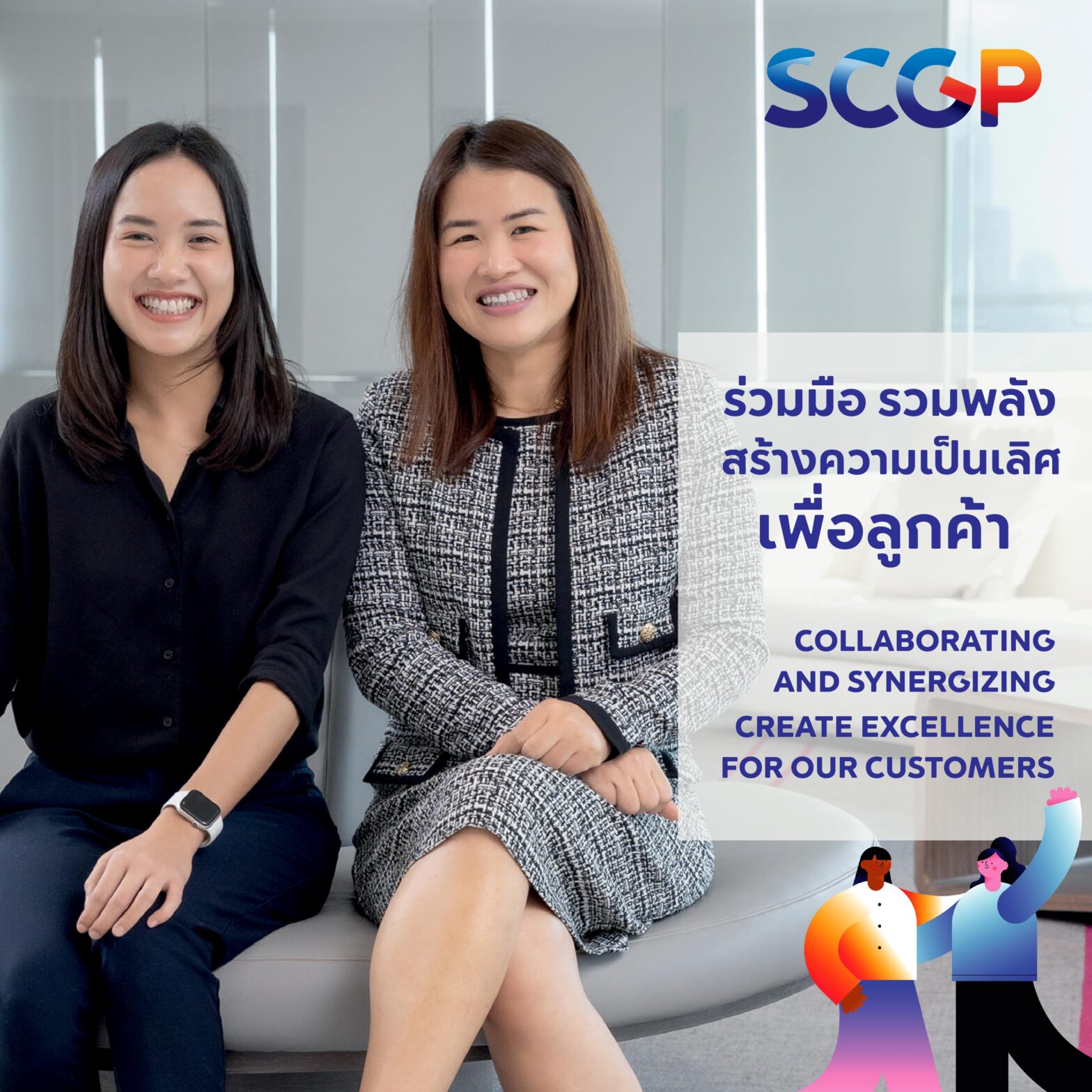
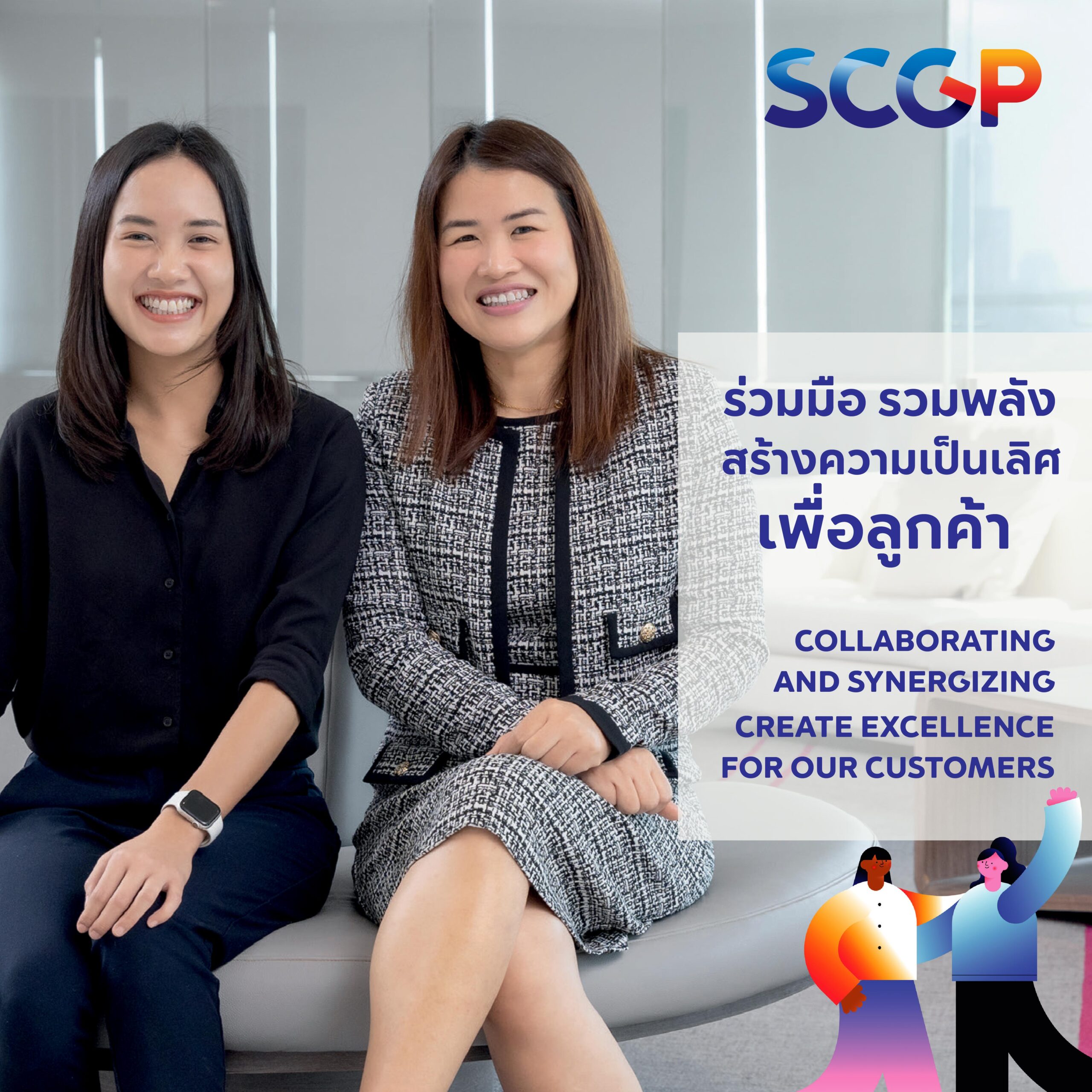
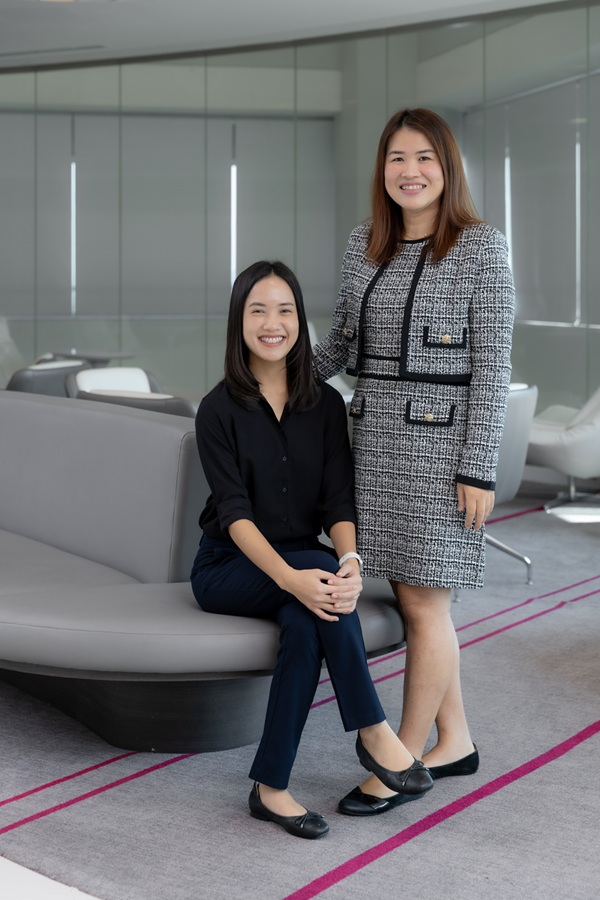
As our organization focuses on driving operations through innovation and digital technology, a vital engine is undeniably the Data Science team that helps connect data, technology, and business together. As the team collaborates with every function across the organization, Passionate Experiences’ interview with two Data Science team members reveals insights into their work, their inspiration, and their role in our company’s pursuit of excellence for customers.

Kanlaya Rattanyu

AI and Advanced Data Manager

“Data Science operations handle use cases related to AI. Supporting all business groups within our company, we have categorized them into 10 functions—Customer and Market Insights, Packaging Design & Product Reliability, Production Planning, Raw Material Sourcing, Production and Process Optimization, Asset Maintenance, Quality Control and Inspection, Warehouse and Logistics, People, and Finance. Our team collaborates closely with staff in these functions to make positive business impacts together.

“For example, when Maintenance asked us to integrate AI into the monitoring and decision-making process specifically Vibration Analysis or Motor Current Analysis, our goal was to ensure our AI tools can detect any issue before a breakdown in downstream stages. We have now rolled out our AI-enabled system to various plants including those in foreign countries and downstream.

“There is no rosy path in a data science project. But we keep going because we know impacts from our efforts will be well-worth. That’s why no matter what we come across our path, we strive hard and harder to push through. Our passion is rooted in business impacts we know will happen from our project. We also see every challenge as an opportunity for self-improvement.”

Pawitra Nopsuwan

Data Scientist

“Data science supports Customer and market insights with a diverse range of customer-related tasks, including finding new customers. AI can help analyze the list of registered businesses and identify which ones may buy from us. Following the identification, our sales team can reach out to prospective customers with a higher success rate. Data science, moreover, supports customer analyses. While tracking customers’ changing behaviors, we can also alert relevant teams as to which customers have the likelihood of stopping buying. We can also provide customer-care guidelines.

“The challenging part about this job is working with various new people, because it takes time to learn others’ work style and approach, fine-tune, and visualize the same picture. Currently, our company has encouraged all employees to learn about AI via various courses and to apply AI to their jobs. With greater understanding in AI and more widespread AI applications, communications flow much smoother.

“I am happy working because I can see how my output benefits our organization. My job also provides me with opportunities to exchange knowledge and perspectives with colleagues. Such discussions bring us closer. So, we can talk about various kinds of things. That’s kind of making me want to come to work every day.” 

เนื้อหาที่เกี่ยวข้อง

Loading Data...

Stick’Em Makes Education More Accessible with a Set of Chopsticks

Spotlight

Stick’Em Makes Education More Accessible with a Set of Chopsticks

Loading Data...

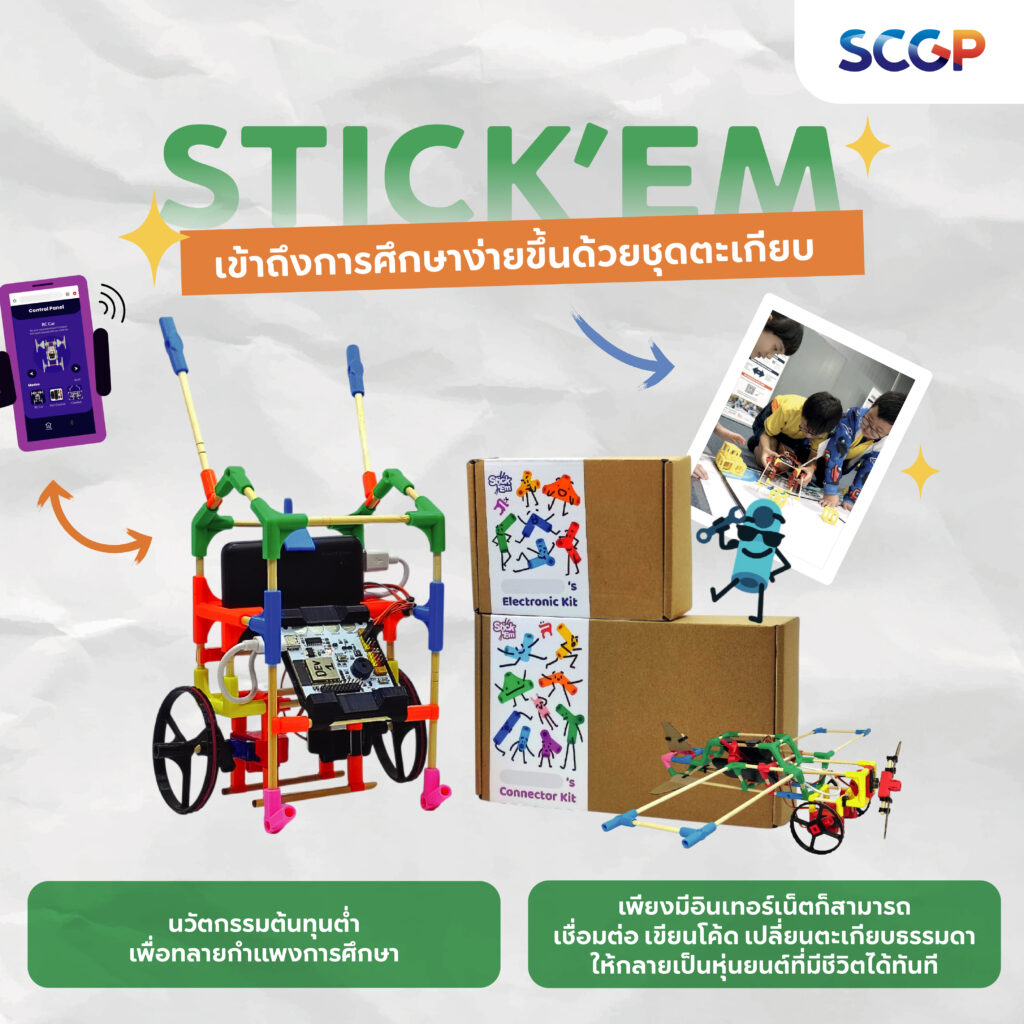
In the age of AI, STEAM (Science, Technology, Engineering, Art, and Mathematics) skills are at the heart of learning. Yet more than 90 percent of the world’s population, or nearly one billion people, lack access to quality STEAM education.

Students’ Idea for Every Learner

Stick’Em is a Singaporean education tech startup. It was established after four 17-year-old students, with their inspiring experience as robotics trainers and STEAM instructors, decided to make a difference. Recognizing that traditional education models did not effectively support learning, these young entrepreneurs dedicated five years—while studying at university—to fundraising, designing, and developing Stick’Em and its low-cost STEAM learning innovation.

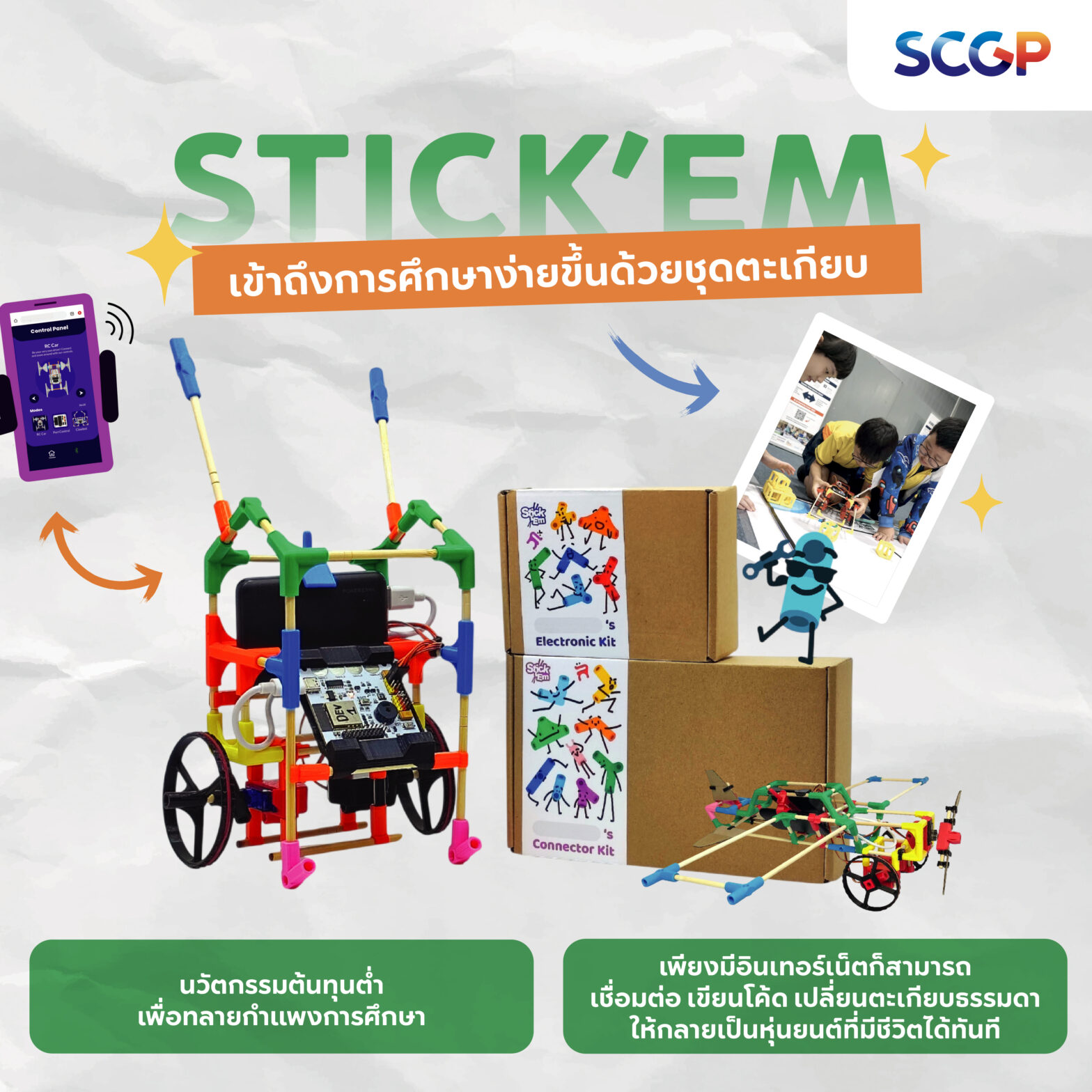
A Stick’Em kit consists of two main components: a construction set featuring items such as bamboo chopsticks, wheels, rubber bands, and 3D-printed connectors; and a basic electronics set, including circuit boards, motors, and power banks. These widely available and affordable materials keep the price of each Stick’Em kit at just USD 100, about 10 times cheaper than comparable learning kits on the market.


Affordable & Sustainable Advanced Learning

On top of featuring affordable, low-cost, and replaceable parts, Stick’Em has two competitive advantages that allow it to create a broad and lasting impact on STEAM education. Firstly, its flexible lesson platform is compatible with all types of infrastructure. Whether a school uses computers, tablets, or smartphones, as long as there is internet access, students can connect, write code, and instantly transform ordinary chopsticks into robots. Secondly, its teacher training model is easy-to-understand, empowering teachers for any subject areas to confidently teach STEAM.

Currently, Stick’Em innovation has been widely adopted. It has already made its way into 27 state schools in Singapore and more than 90 overseas schools, covering over 12,000 students. This tech startup has generated revenue from not just one-time equipment purchases but also recurring platform fees. In 2025, Stick’Em won first place at the Hult Prize 2025, the world’s largest social business plan competition for university students—securing a USD 1 million prize.

Stick’Em success proves that a business can create both social impact and economic value, and quality education can in fact, be provided at a low cost. With Stick’Em, everyone can enjoy equal access to future skills.


Source: a LOT Newsletter Vol.38

เนื้อหาที่เกี่ยวข้อง

Loading Data...

SCGP Joins Hands with Minburi Technical College to Enhance Employee Capabilities through Dual Vocational Training in Printing and Packaging

SCGP Joins Hands with Minburi Technical College to Enhance Employee Capabilities through Dual Vocational Training in Printing and Packaging

Loading Data...
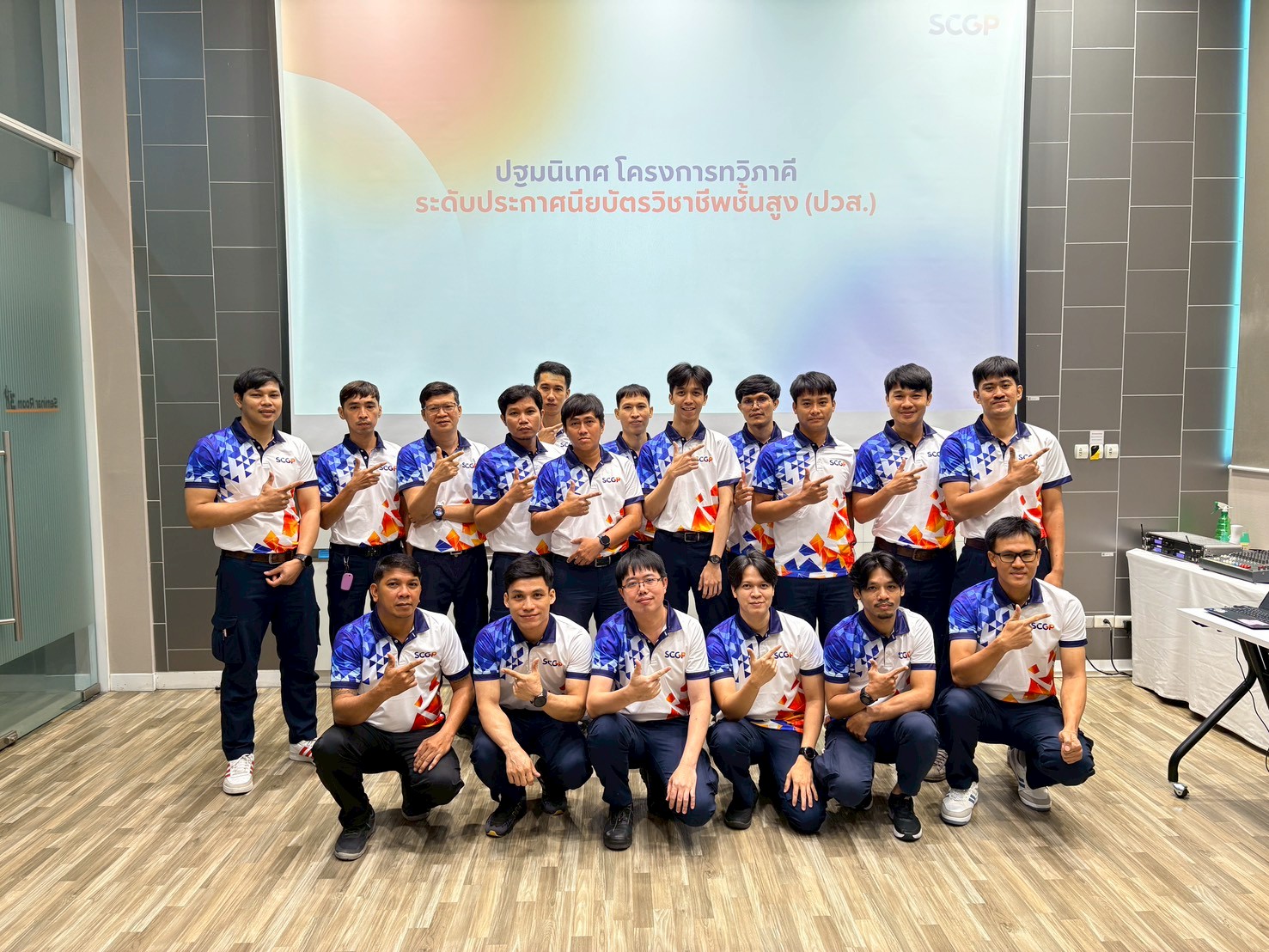
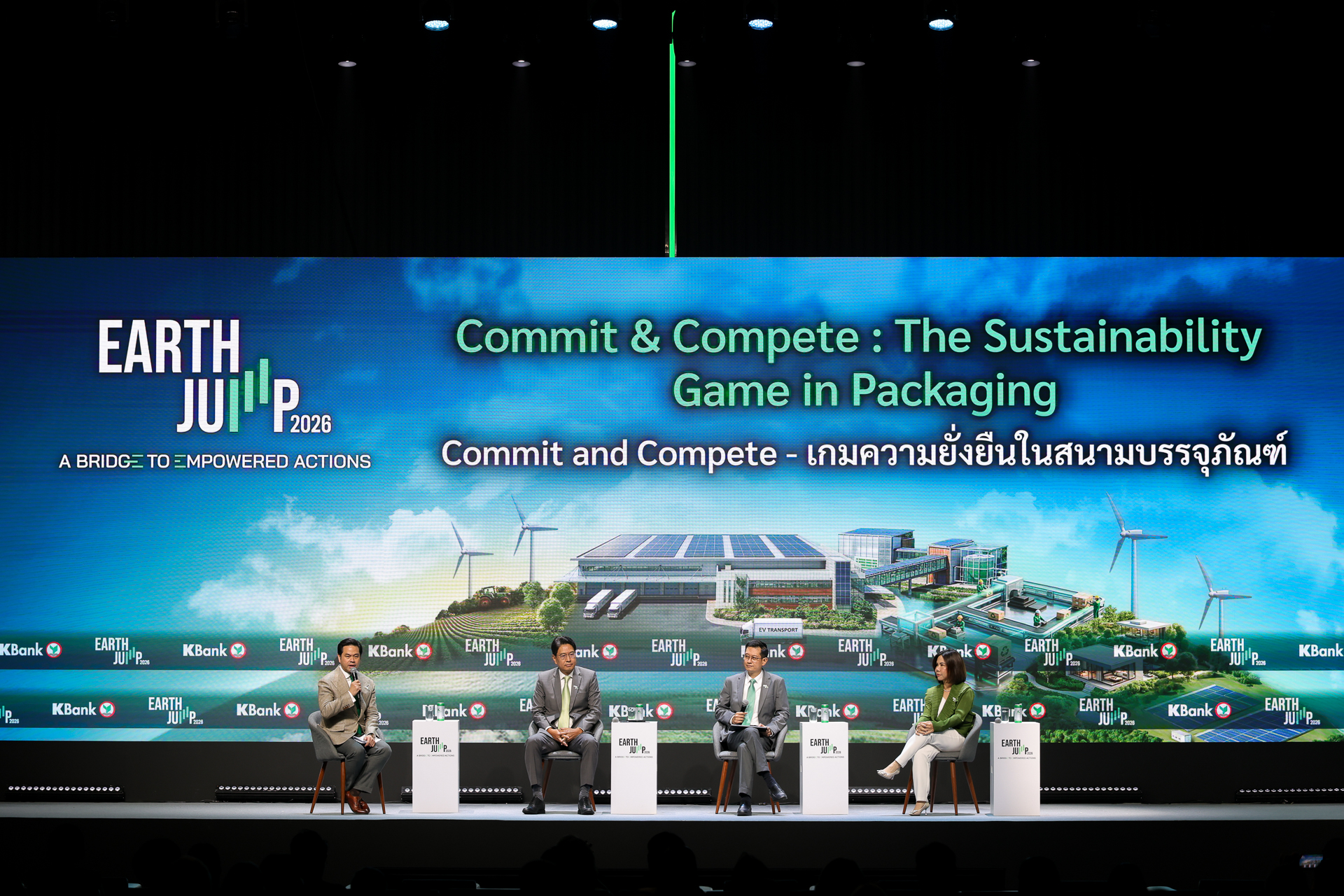
Recently, SCGP, in collaboration with Minburi Technical College, organized the “SCGP x Minburi Technical College Dual Vocational Training Program” for the 2026 academic year. The program aims to enhance employees’ knowledge and skills in printing and packaging through theoretical learning conducted by instructors from Minburi Technical College, combined with hands-on practical training under the trainers from each department. Participants will gain experience both at their own plants and other SCGP plants, enabling them to broaden their practical exposure and effectively apply their knowledge to their work. Upon completion of the program, participants will receive a High Vocational Certificate in Printing and Packaging from Minburi Technical College. The first cohort consists of 19 employees from Fiber Packaging Business, and Consumer and Performance Packaging Business.
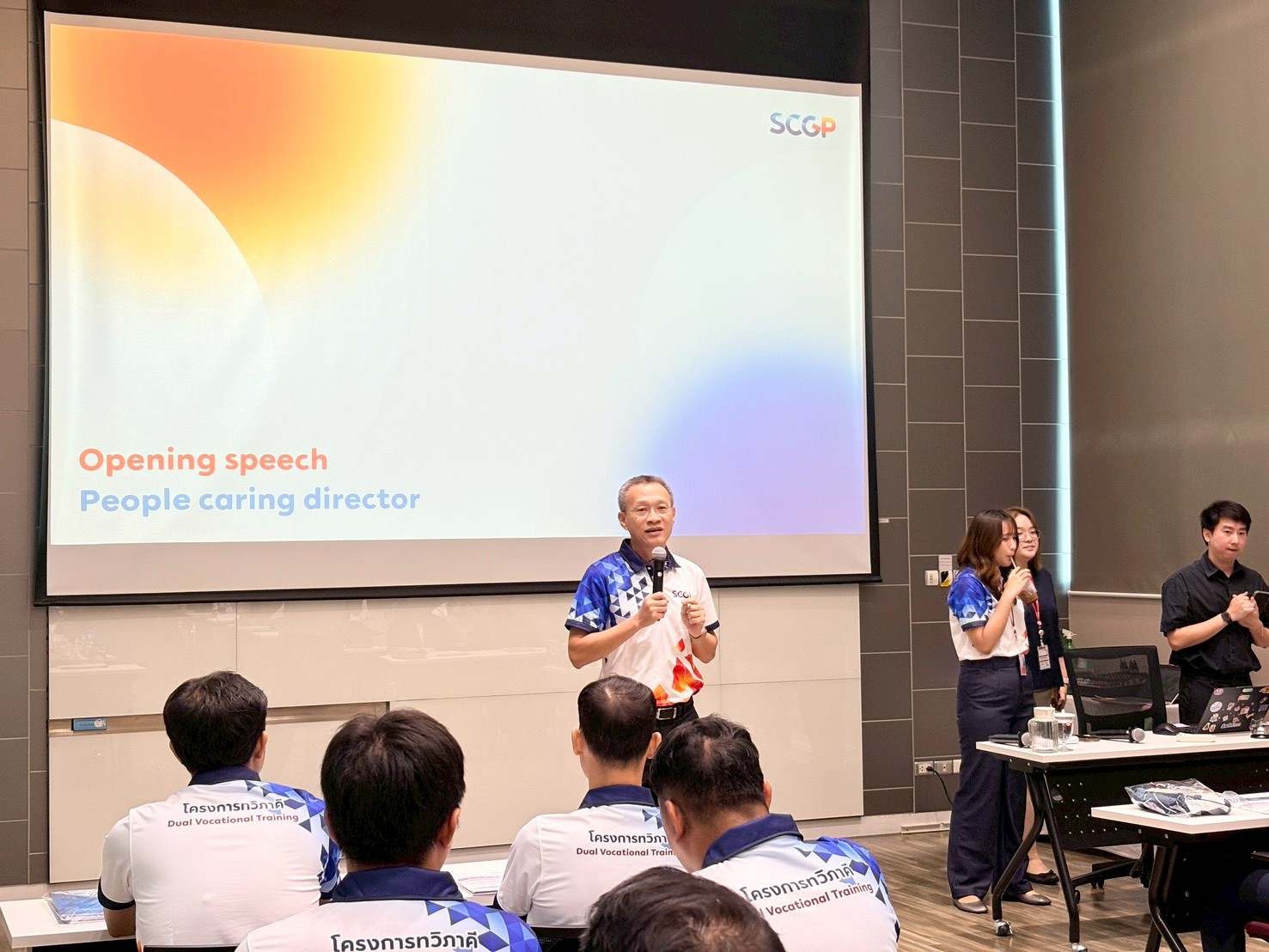
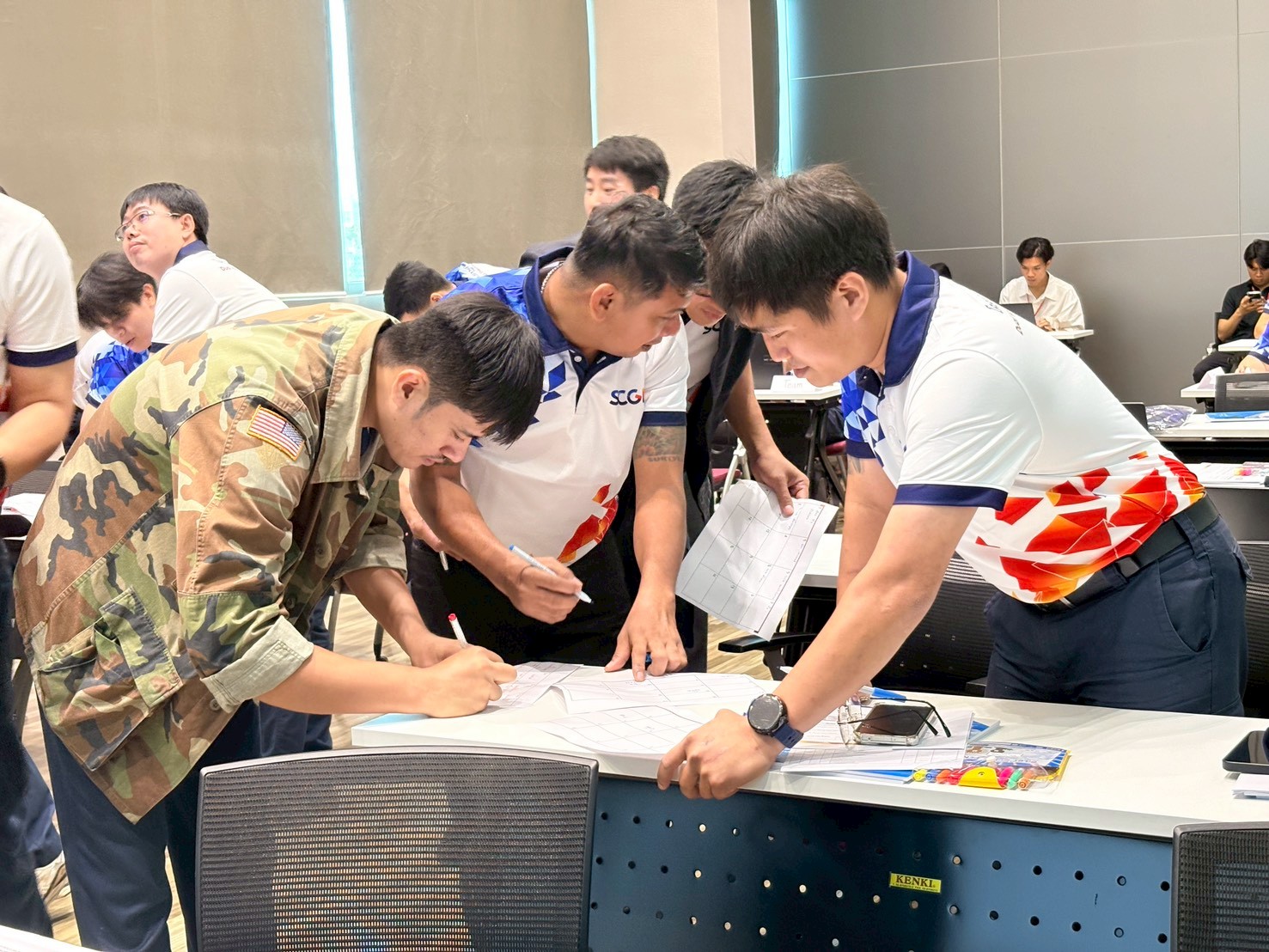
In May, an orientation session was held at SCG Head Office to clarify the roles and responsibilities of dual vocational students, provide guidance on balancing study with work, and prepare participants for learning under the dual vocational system. The session also provided an opportunity for participants from various plants to get to know one another, exchange experiences, and build a shared learning network. This will support the development of both academic knowledge and practical skills in production operations, while emphasizing the importance of integrated learning between theory and real work experience to create sustainable value for both the learners and the organization.
SCGP remains committed to developing quality talent and promoting lifelong learning to enhance employee capabilities and support the organization’s sustainable growth.

Related Contents

Loading Data...
SCGP Packaging Speak Out 2026 Announces Winners of the Intense “Final Pitching Day” Positioning Packaging as a Strategic Marketing Tool to Communicate Brand Essence and Deliver Value to Consumers

SCGP Packaging Speak Out 2026 Announces Winners of the Intense “Final Pitching Day” Positioning Packaging as a Strategic Marketing Tool to Communicate Brand Essence and Deliver Value to Consumers

Loading Data...
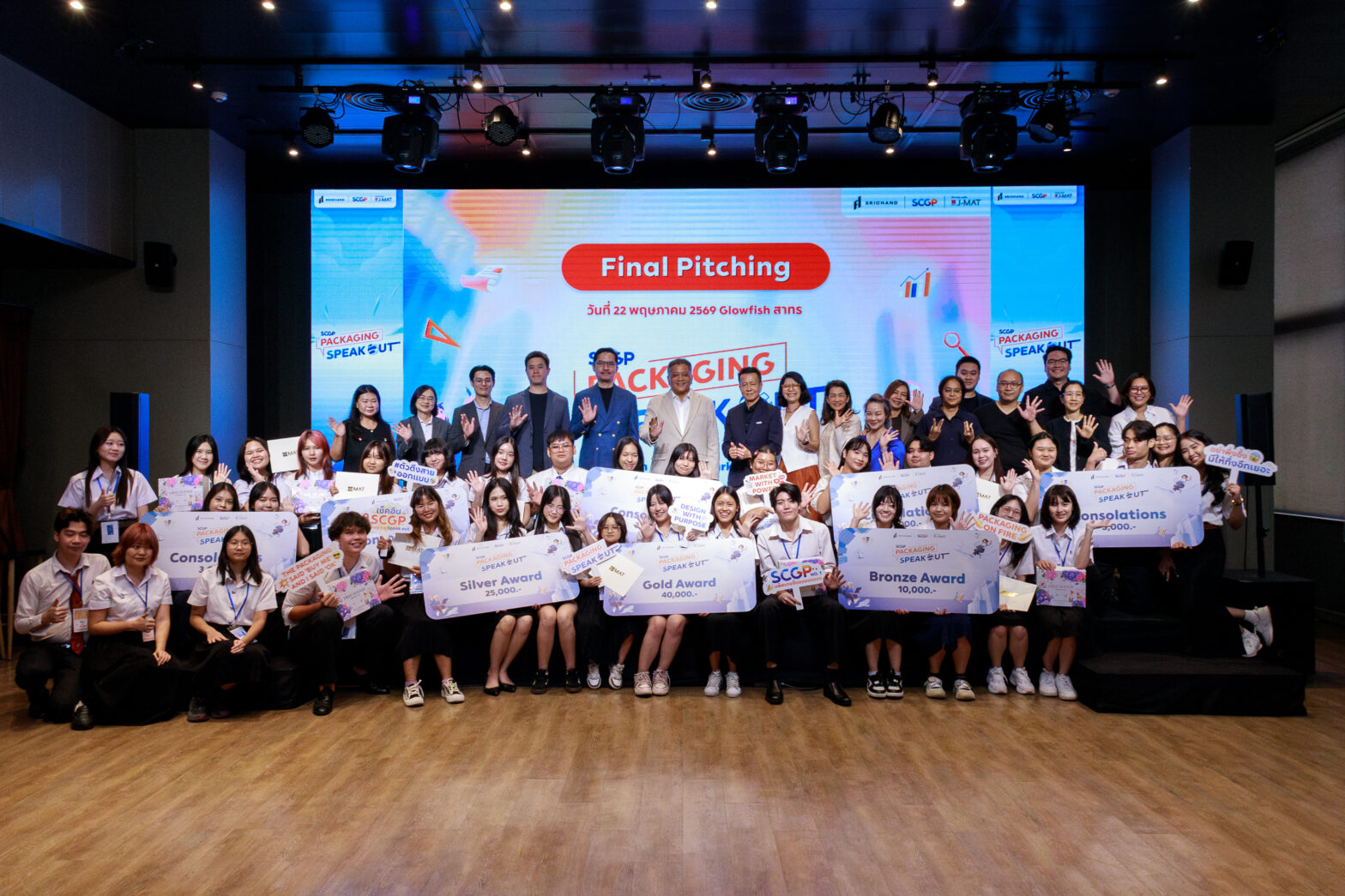
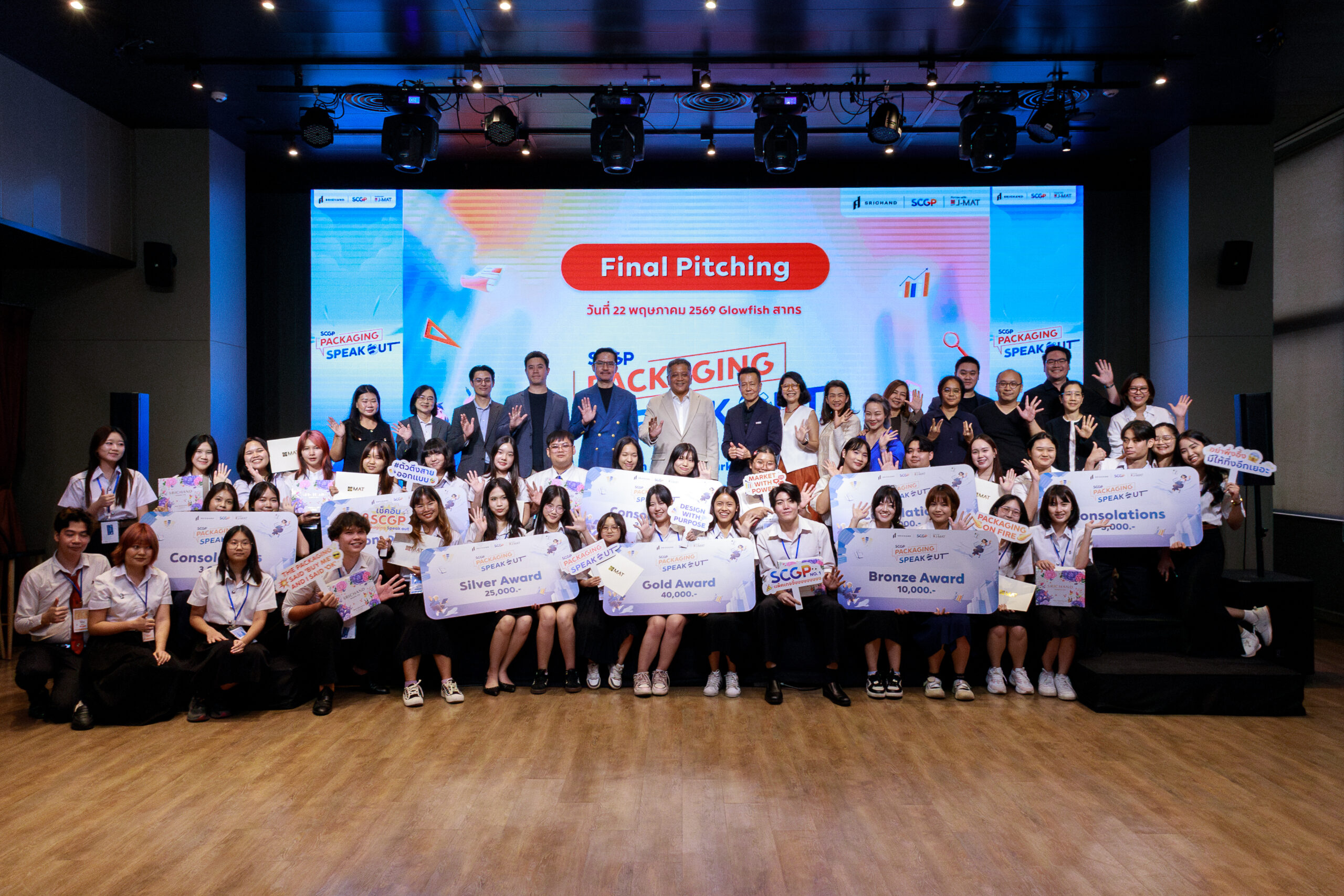
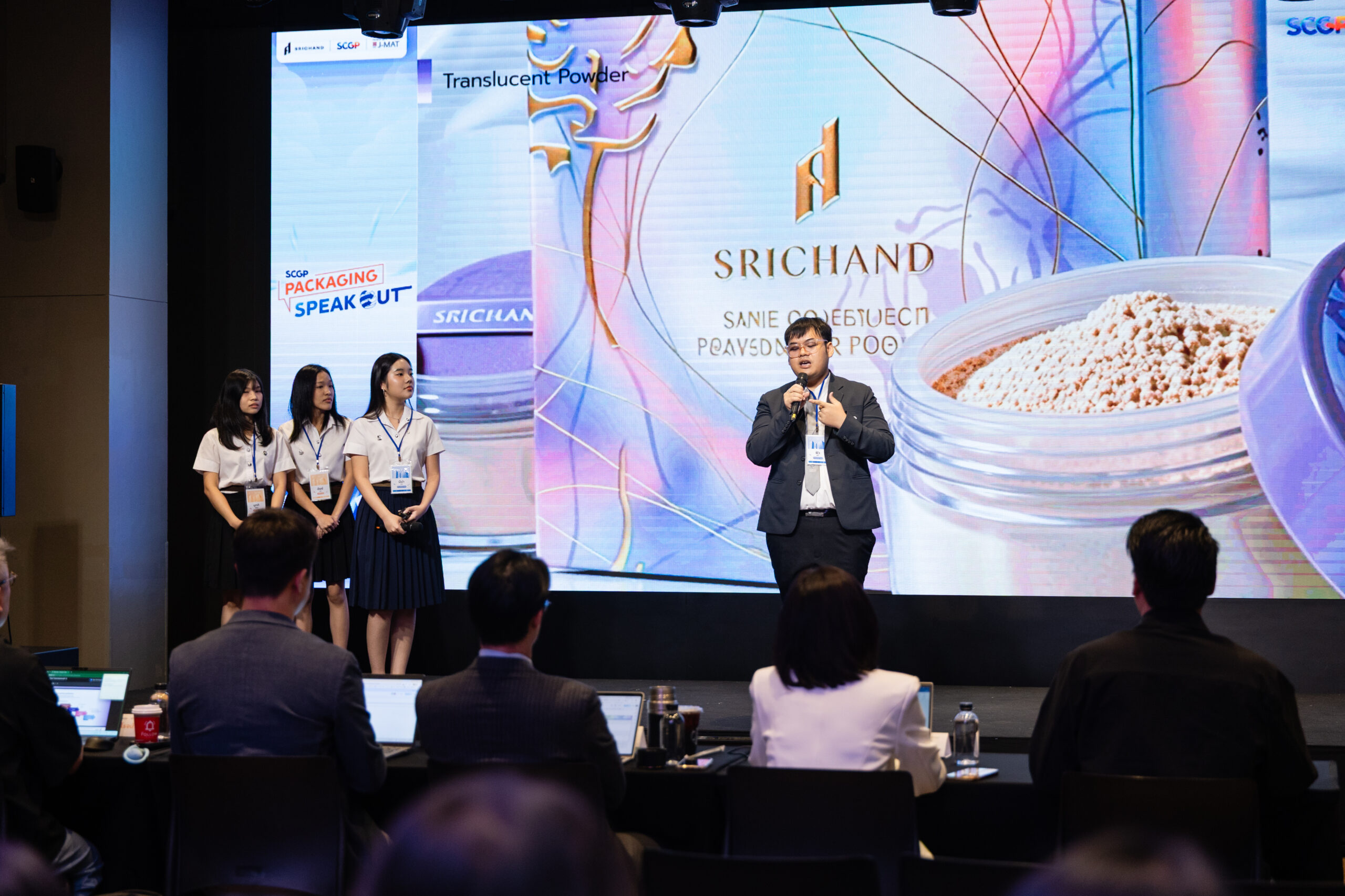
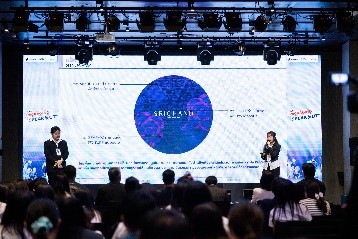
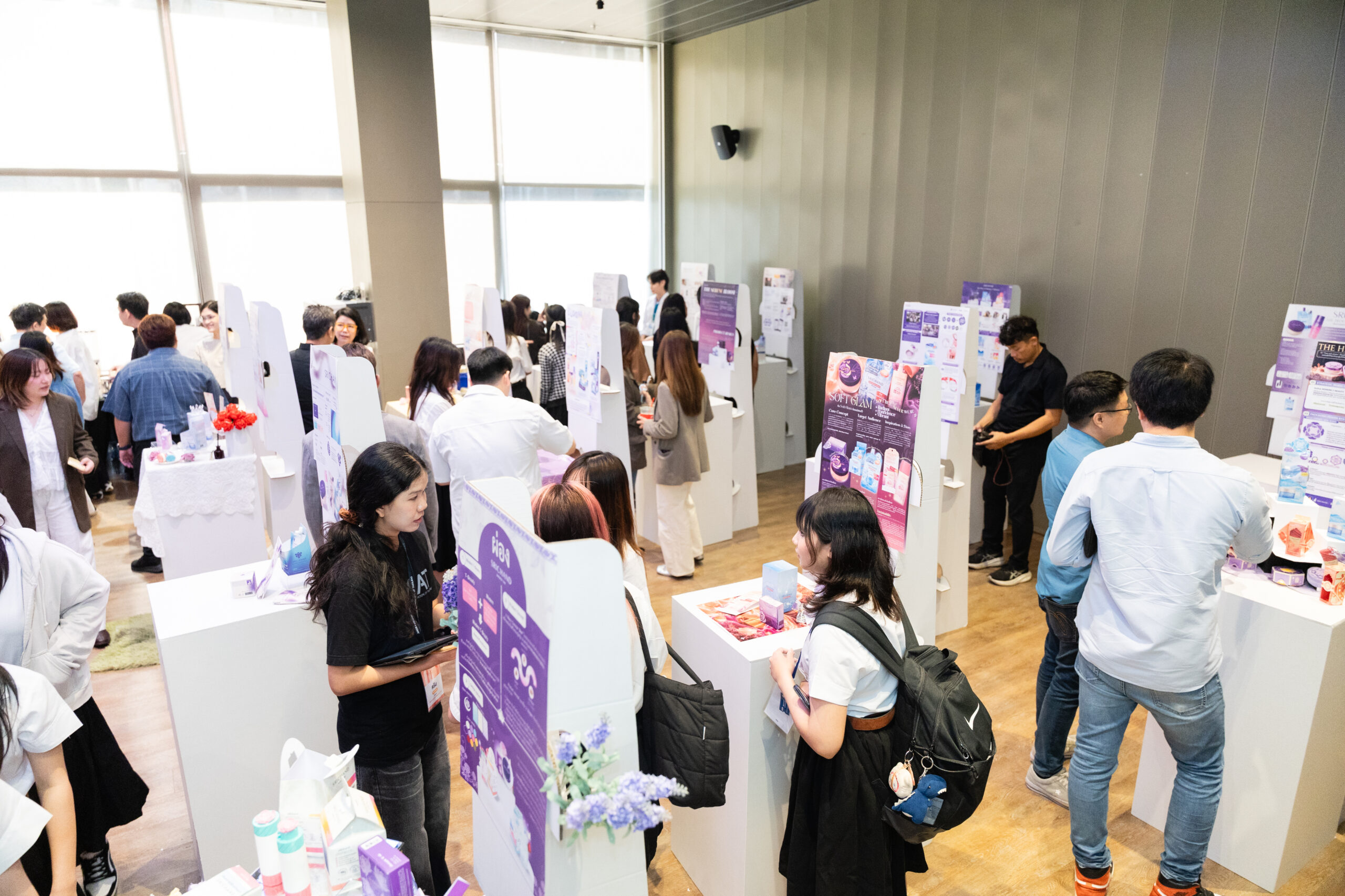
SCG Packaging Public Company Limited or SCGP, together with Srichand United Dispensary Co., Ltd. and Marketing Association of Thailand (MAT), managed by the Junior Marketing Association of Thailand (J-MAT)., announced the winners of the SCGP Packaging Speak Out 2026 project. The competition platform provided university students with the opportunity to connect design with business strategy in order to develop packaging that supports marketing success under the concept “Packaging as Strategic Marketing Tool,” integrating design with business strategy through “Design & Marketing Integration.” Students worked on a real business challenge from the SRICHAND brand under the themes of Modern T-Beauty and Sustainability, preparing them for the real working world. The event also featured a special inspirational talk exploring customer experience creation from branding to packaging amid the growing T-Beauty market.
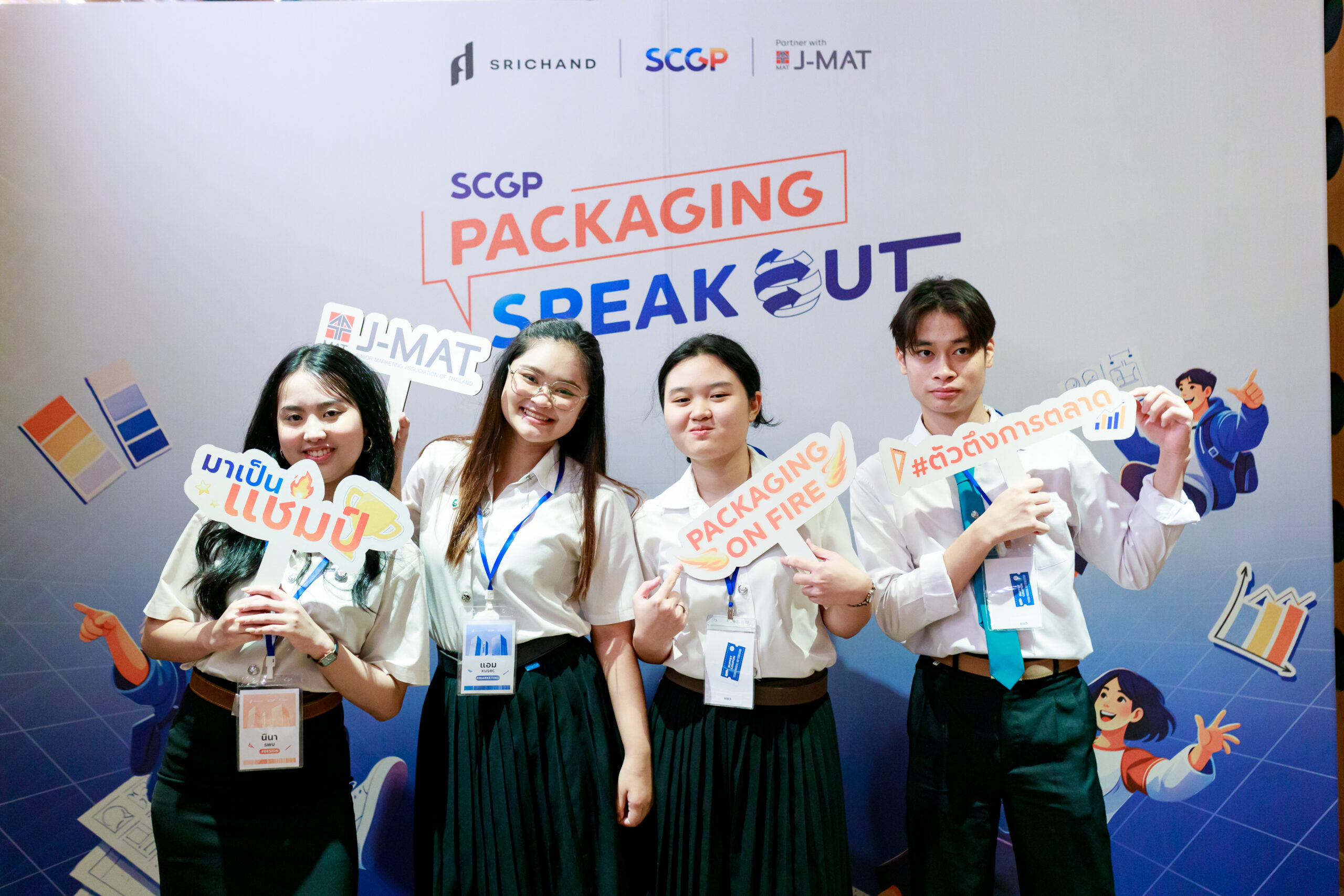
Searching for the Winners at the Final Pitching Day
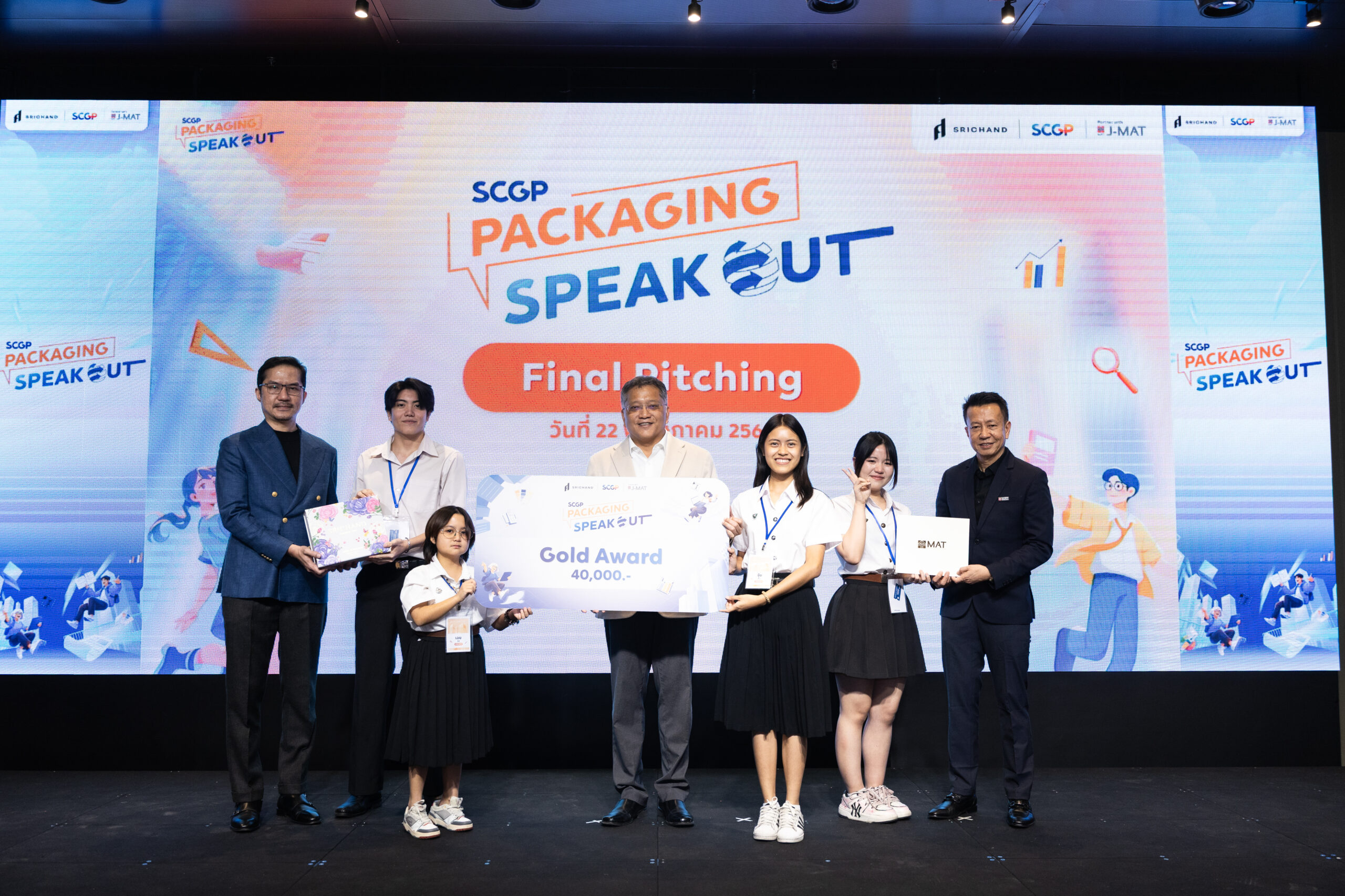
From more than 500 participating students nationwide, 15 finalist teams comprising 60 students advanced to the highly intensive Final Pitching Day. The stage was filled with determination and creative energy as participants presented packaging designs integrated with business feasibility through a Packaging Design System, competing for a total prize pool of over THB 120,000 along with certificates. The team that won the Gold Award (THB 40,000, certificate, and a two-month internship opportunity with SCGP) was “Noo Nee Lae T-Beauty,”consisting of four members: Napaktida Ueramnuaypornchok, a second-year student in the School of Business Administration for Society, Digital Marketing Program, Bangkok University Rangsit Campus; Thanaphong Pornsirisawee, a first-year student in the Faculty of Commerce and Accountancy, Business Administration Program, Chulalongkorn University; Wara Achayuthakan, a third-year student in the Faculty of Decorative Arts, Product Design Program, Silpakorn University Tha Phra Palace Campus; and Nutcha Inyoo, a second-year student in the Faculty of Agro-Industry, Packaging & Materials Technology Program, Kasetsart University Bangkhen Campus.

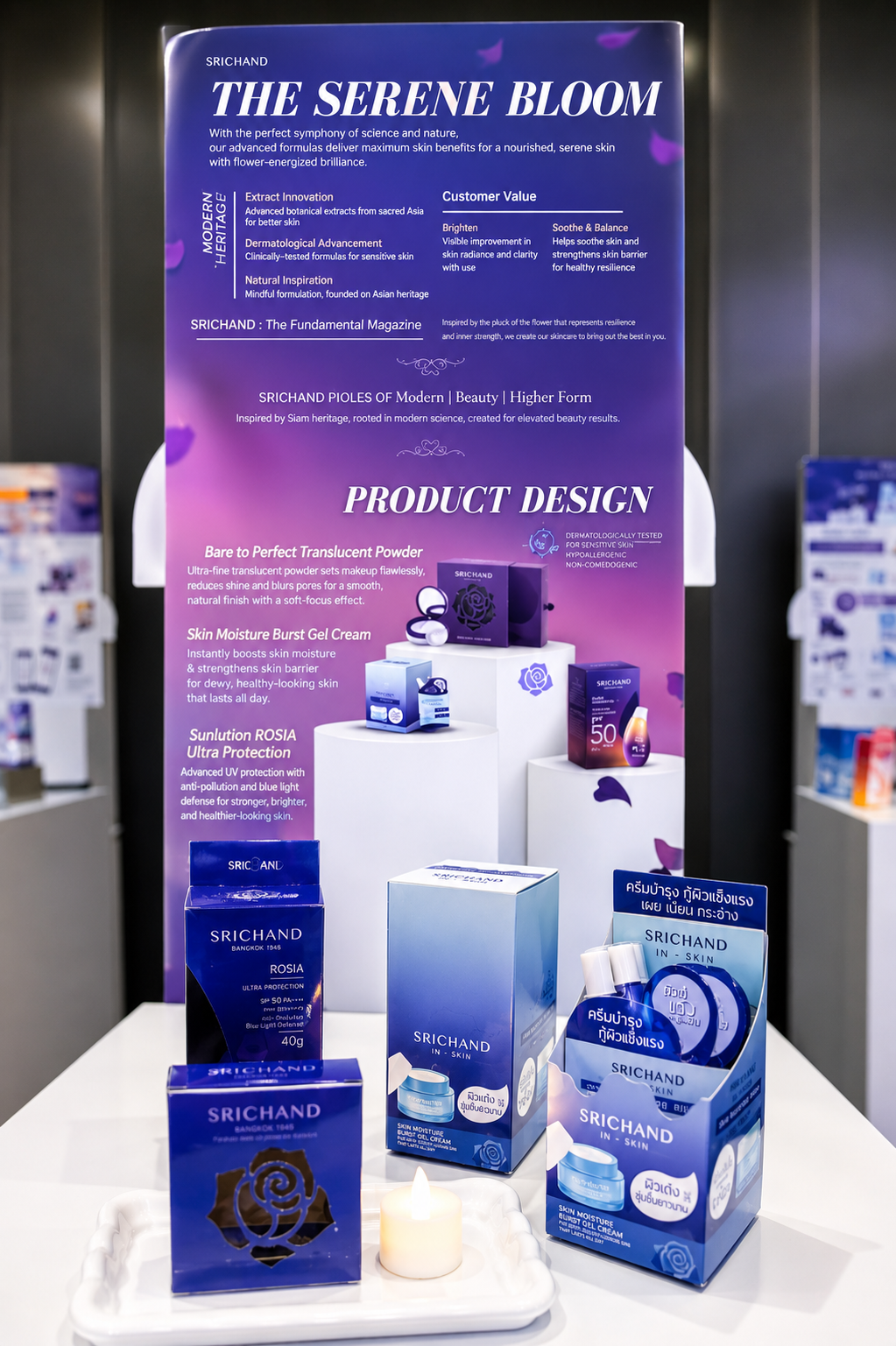
Their winning concept, “The Serene Bloom,” reflected the perspective of Modern T-Beauty through the image of a “fighter woman” who must constantly face challenges and changes in work, environment, weather conditions, and daily life. As a result, consumers seek emotional stability from a brand that acts as a safe space while empowering them to confidently express themselves. The packaging design featured fluid yet internally strong forms, highlighted with rose-inspired line art symbolizing blooming through every stage of life. Key designs included a rose-pattern embossed compact powder case using chemical-free embossing techniques and an eco-friendly refill system; eye-catching cream sachets featuring moisturizing shades and sustainable packaging design from box to sachet; and sunscreen packaging with ergonomic curves designed to fit comfortably in the hand, paired with a 100% recyclable box.
The Silver Award (THB 25,000 and certificate) was awarded to team “Klum Nueng Kueng Noom” for their concept “Adaptive Beauty,” which reflected Modern T-Beauty as beauty designed for a fast-moving lifestyle, adaptable to every situation and climate. The Bronze Award (THB 10,000 and certificate) went to team “Sanjee Srichand” for their concept “Always Ready,” presenting beauty as freedom without limitations and suitable for everyone in all weather conditions. Five Consolation Awards (total prize value THB 15,000) were also presented to Team Dee Mak Loei Ka, Team Girl’s Girl 888, Team Everything is Fine, Team Sri to the Moon, and Team Soft Glam Korn Mae Son Wai.

Exploring T-Beauty from Brand Essence to Packaging Experience
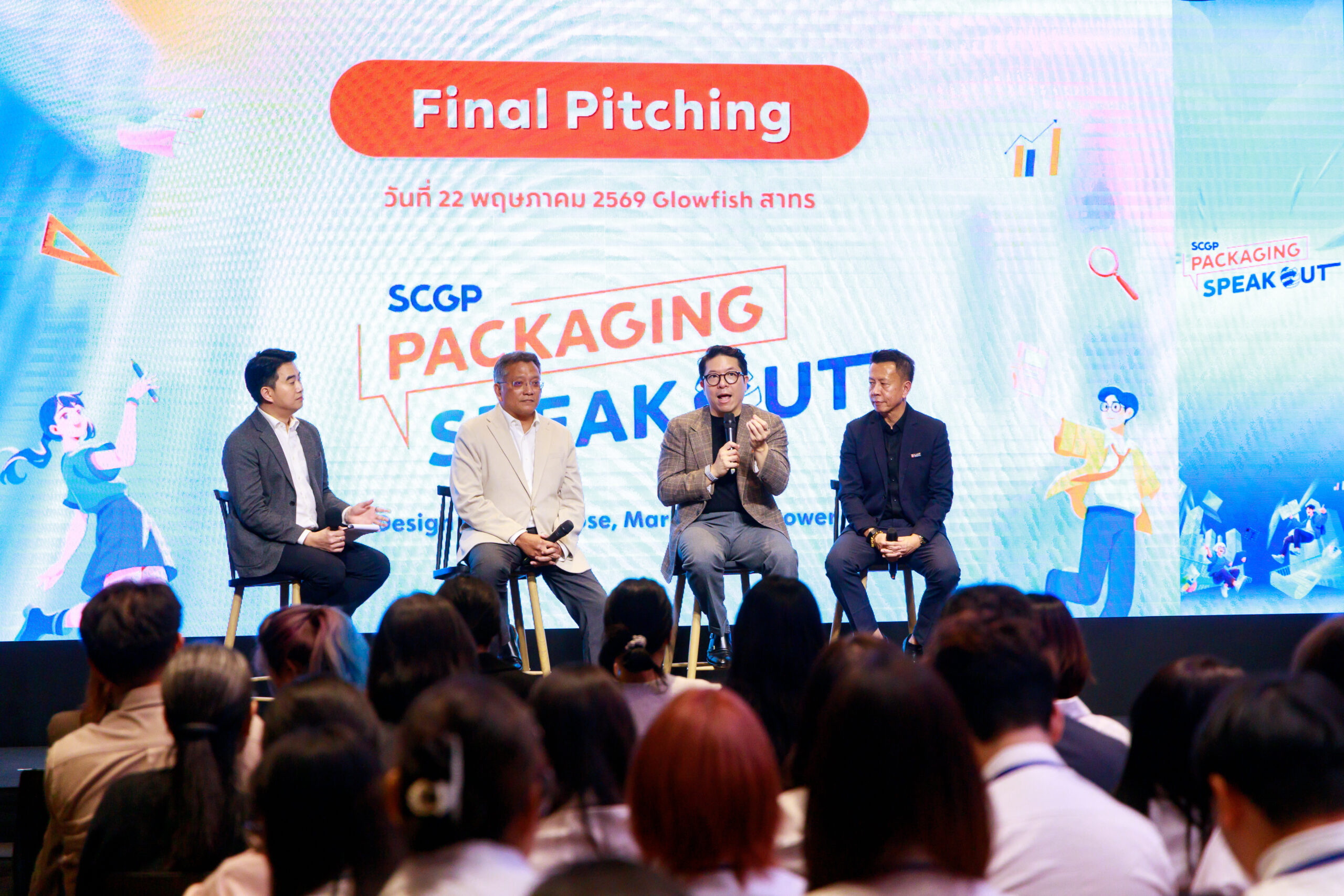
The event also featured an Exclusive Talk under the topic “Experience T-Beauty Brand Essence through Packaging,” which explored the role of branding, marketing, and packaging in driving the growth of T-Beauty while transforming Brand Essence into a tangible Brand Experience for consumers.

Charkrit Direkwattanachai – Vice President of Administration and President of Junior Marketing Association of Thailand (J-MAT), spoke about the T-Beauty trend, stating that the concept of “Thai beauty” or T-Beauty has become increasingly clear in the eyes of the global audience through the export of Thai dramas and series to international markets, especially over the past 2–3 years. This has created significant market opportunities for Thai cosmetics and skincare brands. “T-Beauty, the essence of Thai beauty, has already been clearly communicated to the world. However, for Thai cosmetics and skincare brands to sustainably grow and stand alongside J-Beauty or K-Beauty, they must deliver high-quality products with attractive packaging that simultaneously reflects the brand essence. Only then can they become powerful enough to capture the attention of global consumers,” he said. He further emphasized that brands must be able to answer the question: “Why does the brand exist in this world, and in what direction will it lead the organization?” The answer to this question becomes the brand’s charm and differentiating factor. From there, brands can develop strategies to create meaningful consumer experiences that foster emotional connection and ultimately build brand loyalty.

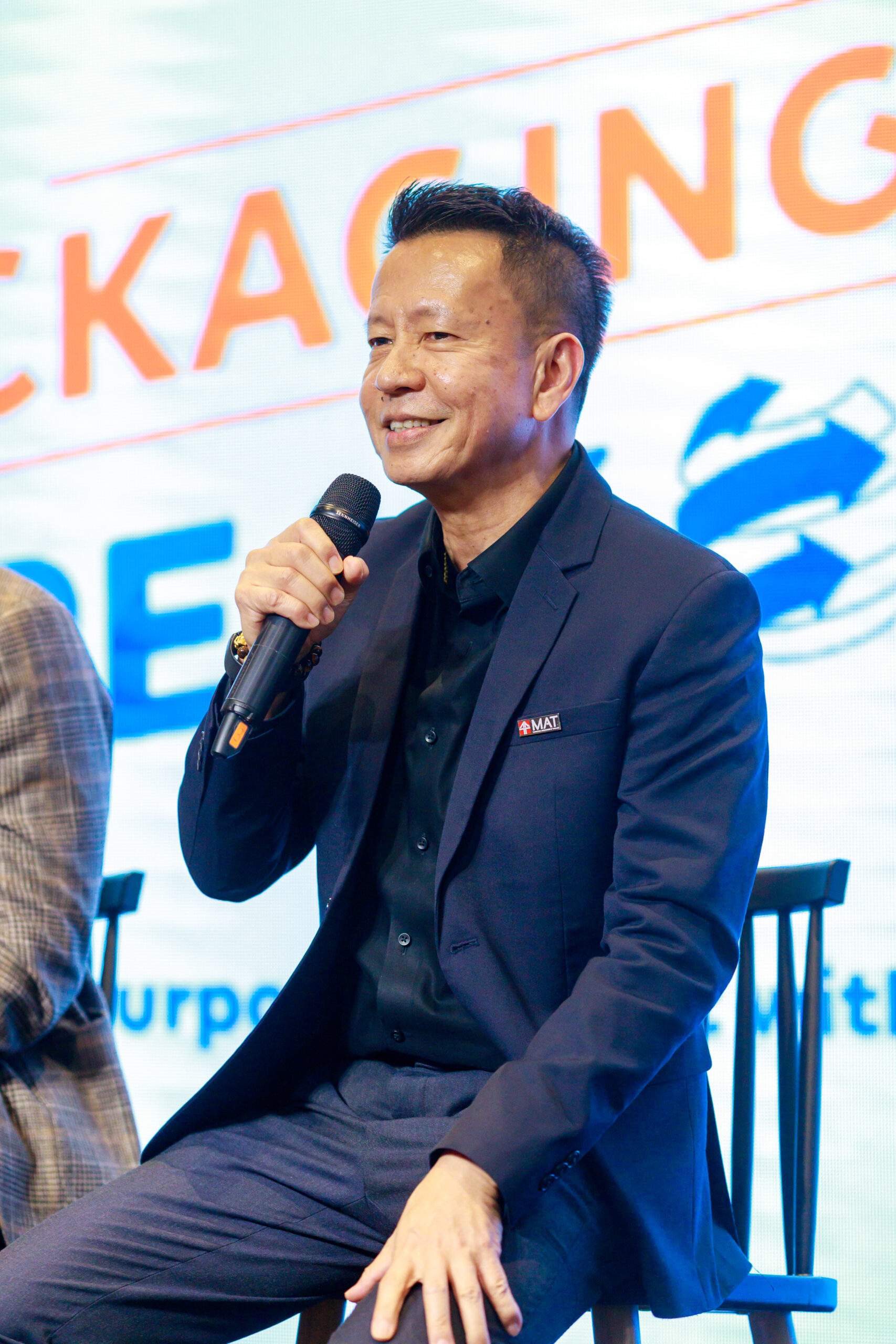
Ekaraj Niroj, Chief Customer Officer, SCGP, stated that packaging must be more than just a product container; it must serve as part of a marketing strategy to create brand value and make a strong first impression on consumers. Packaging should reflect the Brand Essence or brand identity while also addressing sustainability. “Sustainability is not an option, but a consumer expectation for brands to demonstrate social responsibility, such as designing packaging that uses less material and can be recycled and circulated back into use,” he said. Regarding the promotion of T-Beauty to the global market, he added that “T-Beauty” can also evolve into “G-Beauty” (Global Beauty). A clear example is the “Elephant Pants,” which consumers around the world recognize as a distinctive Thai product. If supported by packaging design that clearly reflects the brand’s identity and unique strengths, it can further enhance product value, strengthen brand recognition, and expand marketing opportunities on a global scale.

Rawit Hanutsaha – Chief Executive Officer, Srichand United Dispensary Co., Ltd. & Mission to the Moon Media Co., Ltd., stated that one of the key success factors in branding today is transparency and sincerity toward customers. Once customers feel that a brand is not genuine, it can destroy the positive experience they have with the brand, and they are ready to switch to many other alternatives available in the market. “If a brand wants to become something in the hearts of customers, it must consistently act that way (Brand Essence) and embed it as a core belief within the organization. Most importantly, brands must constantly communicate with customers because customers reflect their true feelings toward the brand better than anyone else. True branding is not what entrepreneurs think they are, but what customers say the brand truly is. That is the heart of branding,” he said. Regarding the opportunity to bring T-Beauty to the global market, he added that it must be driven as a broader national movement through collaboration across multiple industries, such as entertainment, fashion, and packaging, in order to communicate the identity of T-Beauty to global audiences in every dimension. He also emphasized the importance of research and development (R&D) in building product quality and brand credibility, combined with storytelling that enables consumers to make purchasing decisions based on both rational considerations and emotional value simultaneously.

All of these activities contributed to expanding knowledge, enriching experiences, and inspiring innovation and creativity through collaboration from all sectors involved in the SCGP Packaging Speak Out 2026 project, now continuing for its 11th year. SCGP remains committed to empowering youth to grow confidently, unleash their creativity in the real business world, and apply their knowledge to support Thai businesses and SMEs sustainably in the future.

Related Contents

Loading Data...