Today, product lifespans are decreasing, especially in the rapidly evolving fashion industry. Each year, textile waste amounts to 92 million tons and includes vinyl-based synthetic fibers that are so decomposition-resistant that they pollute the environment massively with microplastics and more.
“Hyphyn” : The World’s First Biodegradable Vinyl Innovation Developed by Nassimi LLC, “Hyphyn” is the first biodegradable vinyl material in the world. Its name resonates with “hyphen,” a punctuation mark that connects words, because this innovation is a bridge between the present and the future. Its presence practically raises awareness of materials’ lifecycles, especially after the end of their use.
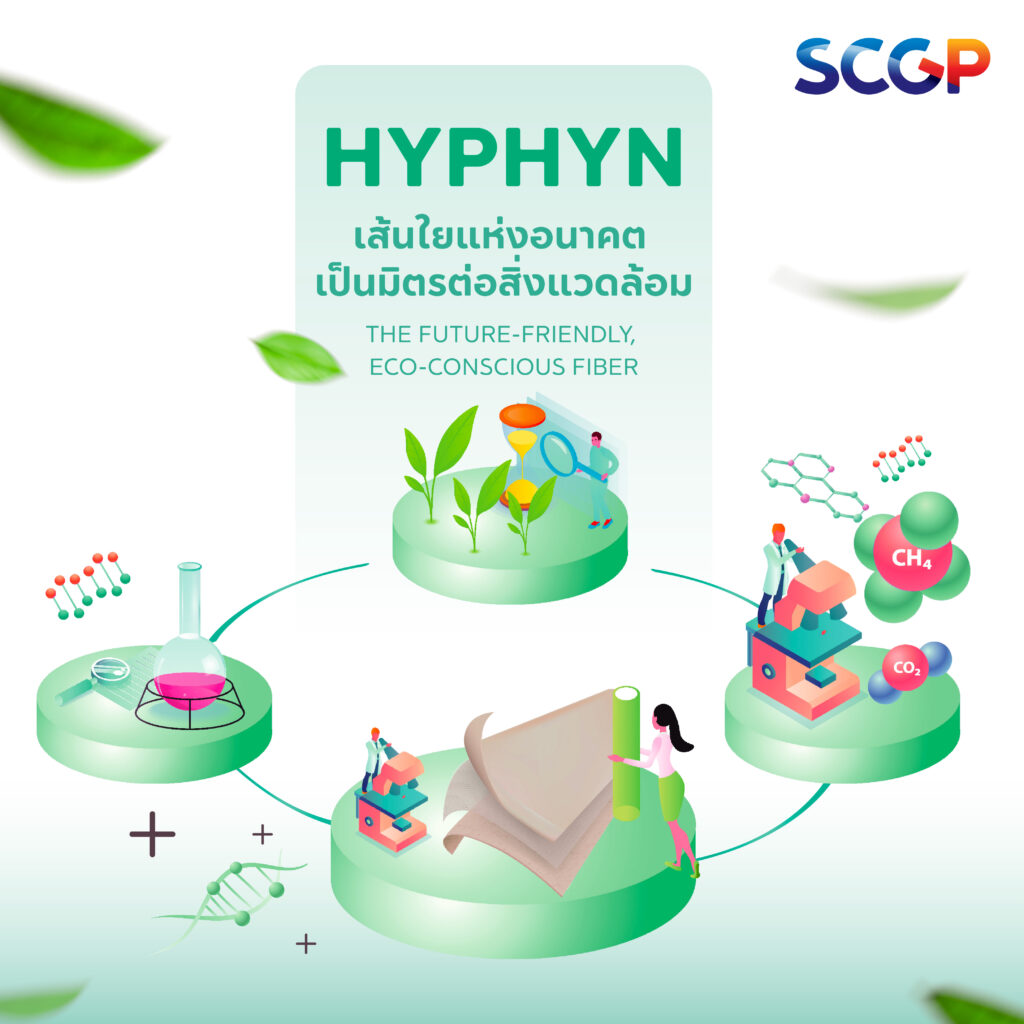
Hyphyn’s outstanding quality lies in its embedded proprietary plastic-degrading system, which allows vinyl to retain its durability and functionality under normal conditions. However, when disposed of in landfills, enzymes activated by microorganisms initiate biodegradation, converting PVC polymers into methane and carbon dioxide. This innovative material naturally decomposes by 90 percent within two years, without leaving behind any toxins or nanoplastics.
Guarantees: New Choice Toward a Green Future 1. Material Safety Free from lead, heavy metals, PFAS, and formaldehyde, it complies fully with Prop 65, RoHS, and REACH standards. 2. Post-Biodegradation Soil Testing No harmful chemical is detected in the soil after biodegradation. 3. Soil Health Check (ASTM E1963 PYMS) The quality of soil containing degrading Hyphyn is good with 100 percent seed germination rate and a faster plant growth rate compared to soil containing traditional vinyl. 4. Indoor Air Quality Volatile Organic Compounds (VOCs) levels are low, ensuring safety for health. 5. Incineration Safety Dioxin and toxic emissions from incomplete combustion are minimal (<0.001 ng/g). So, it is safe to dispose of this innovative material through incineration.
While observers point out that these positive findings come from controlled experiments within labs and real-world outcomes may differ, Hyphyn still represents a significant step forward in the development of future solutions. It proves that existing materials can be enhanced with end-of-life management in mind, while creating opportunities for the fashion and design industry to genuinely embrace environmental sustainability.